Drone Roof Inspection: The Smart Choice for Aussie Homes
Let me tell you about something that happened to my neighbour last year. After a particularly nasty storm rolled through Brisbane, he noticed a few loose tiles on his roof. Being the DIY type, he grabbed his ladder and climbed up to take a look. What should have been a simple inspection turned into a trip to the emergency room with a broken wrist and three cracked ribs. His roof? Still not properly inspected.
This story isn’t unique. Every year, thousands of Australians risk their safety climbing onto roofs, and many more pay exorbitant fees for scaffolding and traditional inspection services. But there’s a better way, and it’s already transforming how smart homeowners across Australia are maintaining their properties.
The Problem with Traditional Roof Inspections
If you’ve ever needed your roof inspected, you know the drill. Someone has to physically get up there, which means either you’re risking your own neck or you’re paying someone else to risk theirs. And that’s just the beginning of the headaches.
Traditional roof inspections come with a laundry list of challenges. First, there’s the safety issue. Working at heights is one of the most dangerous jobs in Australia, accounting for a significant portion of workplace injuries and fatalities each year. Even for experienced professionals, every trip up a ladder carries risk.
Then there’s the access problem. Got a steep pitch? Multiple levels? Fragile tiles? Some roofs are genuinely difficult or even impossible to inspect safely using conventional methods. I’ve spoken with homeowners who were told they’d need scaffolding erected just for a basic inspection—we’re talking thousands of dollars before anyone even looks at the actual problem.
And here’s something most people don’t think about: when someone walks on your roof, they can actually cause damage. Terracotta tiles can crack under foot traffic. Older roofing materials become brittle over time. You might go in for an inspection and come out needing repairs that weren’t necessary before someone started tramping around up there.
The time factor is another pain point. Scheduling a traditional inspection often means waiting days or even weeks for availability. Then the inspector shows up, spends an hour or two poking around, and you wait again for a report. In the meantime, that small leak you were worried about? It’s getting worse.
How Drone Roof Inspection Actually Works
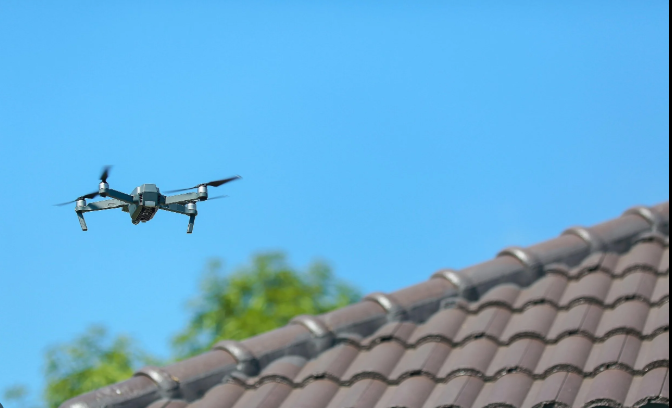
Now, let me paint a different picture. Imagine a qualified technician arrives at your property with a compact drone. Within minutes, that drone is airborne, equipped with a high-resolution camera that can capture details you’d miss with the naked eye. The entire inspection takes less than an hour, nobody sets foot on your roof, and you’re looking at crystal-clear images and video footage before the day is done.
That’s the reality of drone roof inspection, and it’s not some futuristic concept—it’s happening right now across South East Queensland and throughout Australia.
The technology behind these inspections is genuinely impressive. Modern inspection drones carry cameras capable of capturing images in stunning 4K resolution. We’re talking about the ability to spot a hairline crack in a tile from 20 metres away. Some systems even include thermal imaging capabilities, which can identify moisture intrusion and heat loss that’s completely invisible to the human eye.
Here’s how a typical drone roof inspection unfolds. The operator conducts a pre-flight check and assesses the conditions—wind speed, visibility, any potential obstacles. Once everything’s clear, the drone takes off and begins a systematic survey of your roof. The operator guides it along predetermined flight paths, ensuring every section gets covered from multiple angles.
The drone captures both still images and video footage. It can hover in place to get detailed shots of specific areas, or fly slowly along roof lines to create comprehensive panoramic views. Got concerns about your gutters? The drone can peer right into them without anyone needing to climb a ladder.
Worried about storm damage on the back section of your roof that’s impossible to see from the ground? The drone gets there in seconds.
What really sets drone roof inspection apart is the level of detail you receive. Instead of relying on an inspector’s handwritten notes and maybe a few photos taken from a phone, you get a complete visual record of your roof’s condition. Every image is timestamped and geotagged, creating a permanent record you can reference in the future or share with insurance companies, builders, or potential buyers if you’re selling.
What Drone Inspections Can Detect
The capabilities of modern drone roof inspection go far beyond just “having a look.” These systems can identify issues that might take a traditional inspector hours to find—if they find them at all.
Storm damage is one of the most common reasons Australian homeowners need roof inspections. After a severe weather event, a drone can quickly assess the entire roof surface for displaced tiles, damaged flashing, or impact damage from hail or debris. The high-resolution imagery captures details that might be missed during a quick visual scan from a ladder.
Tile and material condition assessment is another strength. Whether you’ve got terracotta tiles, metal roofing, or Colorbond, drones can identify deterioration, rust, cracks, or areas where protective coatings have worn away. This is particularly valuable for older homes where roofing materials may be approaching the end of their service life.
Gutter inspection might not sound exciting, but blocked or damaged gutters cause serious problems. Water overflow can damage fascia boards, create moisture issues in walls, and even undermine foundations. A drone can fly along your gutter line and show you exactly what’s going on up there—leaves, debris, rust, or sections that have pulled away from the roofline.
Leak detection is where thermal imaging really shines. Water intrusion often happens long before you see stains on your ceiling. Thermal cameras can identify temperature differences that indicate moisture trapped in roofing materials or insulation. This early detection can save you thousands in water damage repairs.
Structural issues like sagging roof sections, damaged trusses visible through gaps, or areas where the roof deck has deteriorated can all be spotted from the air. The drone’s ability to capture images from angles that would be difficult or dangerous for a person to access means nothing gets missed.
The Real Cost Comparison
Let’s talk numbers, because this is where drone roof inspection really proves its value for Australian homeowners.
A traditional roof inspection in Australia typically runs anywhere from $300 to $600 for a basic assessment. That’s assuming straightforward access and a standard single-story home. If your property requires scaffolding, you’re looking at a completely different ballgame. Scaffolding hire can easily cost $1,500 to $3,000 or more, depending on the height and complexity of the setup. And that’s just for access—the actual inspection is an additional charge.
Drone roof inspection cost Australia varies by provider and property size, but you’re typically looking at $250 to $450 for a comprehensive assessment. That includes the flight time, high-resolution imagery, video footage, and a detailed report. No scaffolding. No ladders. No additional access fees.
But the cost savings go beyond the initial inspection price. Consider the time factor. Traditional inspections often require multiple visits—one to assess and quote for scaffolding, another to erect it, the actual inspection, and finally removal of the scaffolding. Each step takes time and often requires you to be home. A drone inspection happens in one visit, usually completed in under an hour.
There’s also the hidden cost of potential damage. As I mentioned earlier, foot traffic on roofs can cause problems. Cracked tiles, disturbed flashing, or compressed insulation all represent costs that might not exist if you’d chosen a non-invasive inspection method.
For insurance claims, the value proposition becomes even clearer. After a storm, you need documentation fast. Waiting weeks for a traditional inspector while your claim sits in limbo isn’t ideal. Drone inspections can be scheduled quickly, often within 24 to 48 hours, and you receive your documentation immediately. This speed can make a real difference in how quickly your claim gets processed.
If you’re buying or selling a property, the comprehensive visual record provided by a drone inspection adds value that’s hard to quantify. Buyers appreciate the transparency, and sellers can demonstrate the condition of their roof with objective, detailed evidence. It’s the kind of documentation that builds confidence and can smooth the transaction process.
Roof Inspection Without Scaffolding: A Game Changer
The ability to conduct thorough roof inspection without scaffolding has genuinely changed the game for Australian property owners. This isn’t just about saving money—though that’s certainly a benefit—it’s about making roof inspections accessible and practical in situations where they simply weren’t before.
Think about heritage homes with delicate roofing materials. Scaffolding installation can pose risks to historic tiles or architectural features. Drones eliminate this concern entirely. The same goes for homes with extensive landscaping. Nobody wants scaffolding erected through their prize rose garden or over their newly installed deck.
Multi-story homes and properties with complex rooflines have always been challenging and expensive to inspect. The more complicated the access, the higher the scaffolding costs. Drones don’t care if your roof is one story or three. They don’t charge extra for difficult angles or multiple levels.
Strata properties and apartment buildings face unique challenges. Coordinating scaffolding for a multi-unit building involves logistics, resident notifications, parking disruptions, and significant expense. Drone inspections can assess entire buildings with minimal disruption to residents and at a fraction of the cost.
Commercial properties benefit enormously as well. Large warehouse roofs, industrial facilities, and commercial buildings often have roofs that are difficult to access and expensive to inspect. The ability to conduct aerial roof damage assessment without shutting down operations or investing in extensive access equipment makes drone inspections the obvious choice.
CASA Certification and Why It Matters
Here’s something every Australian homeowner needs to understand: not all drone operators are created equal, and the regulations around commercial drone use are strict for good reason.
In Australia, anyone operating a drone for commercial purposes—including roof inspections—must hold a Remote Pilot License (RePL) or operate under the supervision of someone who does. They must also have approval from the Civil Aviation Safety Authority (CASA) to conduct commercial operations.
When you hire a CASA certified drone inspection service, you’re getting more than just someone who knows how to fly a drone. You’re getting a qualified professional who has demonstrated knowledge of aviation regulations, safety procedures, airspace restrictions, and emergency protocols. They understand how to operate safely around people, property, and other aircraft.
This certification matters for several practical reasons. First, there’s insurance. Reputable drone operators carry public liability insurance—often $10 million or more in coverage. This protects you if something goes wrong during the inspection. An uncertified operator probably doesn’t carry this insurance, leaving you potentially liable if their drone damages your property or injures someone.
Second, there’s the quality and reliability of the service. CASA-certified operators have invested in proper training and equipment. They follow standardized procedures and maintain their aircraft to safety standards. You’re far more likely to receive professional, high-quality results.
Third, there’s legal compliance. Using an uncertified operator for commercial drone work is actually illegal in Australia. If something goes wrong, you could find yourself in a complicated legal situation, and your insurance company might not cover claims related to services provided by unlicensed operators.
When you’re choosing a drone inspection service, always verify their credentials. Ask to see their RePL, confirm they have current public liability insurance, and check that they’re operating legally. Legitimate operators are proud of their certifications and happy to provide this information.
Drone Roof Inspection vs Traditional: The Verdict
Having looked at both methods in detail, let’s break down the comparison clearly.
Safety is the most obvious advantage. Drone roof inspection eliminates fall risks entirely. Nobody climbs ladders, nobody walks on potentially unstable surfaces, and nobody puts themselves in danger. For homeowners, this means peace of mind. For professionals, it means going home safe at the end of every day.
Coverage and detail actually favour drones in most situations. A person on a roof sees what’s directly around them. A drone can capture the entire roof from multiple angles, including perspectives that would be impossible for a human inspector. The high-resolution imagery provides a level of detail that often exceeds what the human eye can discern from ground level or even from on the roof itself.
Speed and convenience aren’t even close. Traditional inspections involve scheduling, waiting, setup time, the inspection itself, and then waiting again for a report. Drone inspections happen quickly, often with same-day reporting. You get your answers faster, which means you can make decisions and take action sooner.
Cost, as we’ve discussed, heavily favours drone inspections in most scenarios. Even when the base inspection fee is similar, the elimination of scaffolding costs and the reduced time investment make drones the economical choice.
Documentation quality is another win for drones. Instead of a written report and maybe a handful of photos, you receive comprehensive visual records—high-resolution images, video footage, and detailed reports that you can review, share, and reference indefinitely.
Are there situations where traditional inspections still make sense? Sure. If you need someone to physically test materials, take samples, or perform hands-on assessments, you’ll need a person up there. But for the vast majority of routine inspections, storm damage assessments, pre-purchase evaluations, and maintenance checks, drones are simply the better option.
Real Stories from Australian Homeowners
I’ve spoken with dozens of homeowners across South East Queensland who’ve made the switch to drone inspections, and the feedback is remarkably consistent.
Sarah from Paddington had been putting off a roof inspection for months. Her home is a beautiful Queenslander with a steep pitch and delicate original tiles. Every quote she received for traditional inspection included scaffolding costs that made her wince. When she discovered drone inspection services, she had her roof assessed within a week for less than half what she’d been quoted elsewhere. The inspection revealed some minor repairs needed on the ridge capping—issues that were caught early before they became expensive problems.
Mark and Jennifer were in the process of buying a home on the Gold Coast when the building inspector noted concerns about the roof. Rather than accepting a vague assessment, they arranged for a drone inspection. The detailed imagery revealed that while the roof looked tired, it was structurally sound with several years of life remaining. This information gave them confidence to proceed with the purchase and helped them negotiate a fair price.
After a severe hailstorm swept through Brisbane, David needed documentation for an insurance claim. His insurer was backlogged with claims, and traditional inspectors were booked out for weeks. A drone inspection provided the detailed evidence he needed within 48 hours. His claim was processed quickly, and repairs were completed before the next storm season.
These aren’t unusual stories. They’re becoming the norm as more Australians discover that there’s a smarter, safer, and more cost-effective way to maintain their properties.
What to Expect During Your Drone Inspection
If you’ve never had a drone roof inspection before, you might be wondering what the process actually looks like. Let me walk you through it.
When you book your inspection, the operator will ask some basic questions about your property—size, roof type, specific concerns you have, and what you’re hoping to achieve with the inspection. This helps them prepare and ensures they bring the right equipment.
On the day of the inspection, the operator arrives with their drone and equipment. They’ll do a quick walk-around of your property to identify any potential obstacles, check for overhead power lines, and plan their flight path. This pre-flight assessment is a standard safety procedure.
Before launching, they’ll explain what they’re going to do and answer any questions you have. If you’re interested, many operators are happy to show you the live feed from the drone’s camera as they conduct the inspection. It’s actually quite fascinating to see your property from this perspective.
The flight itself typically takes 20 to 45 minutes, depending on the size and complexity of your roof. The operator will systematically cover every section, capturing both wide-angle shots that show the overall condition and close-up images of specific areas. If you’ve mentioned particular concerns—like a section where you’ve noticed leaking—they’ll pay special attention to those areas.
Once the flight is complete, the operator reviews the footage to ensure they’ve captured everything needed. Many services provide a preliminary assessment on the spot, pointing out any obvious issues they’ve identified. The full detailed report, including all images and video, is typically delivered within 24 to 48 hours.
Making the Smart Choice for Your Home
Your roof is one of the most important parts of your home. It protects everything beneath it—your family, your possessions, your investment. Regular inspections aren’t just a good idea; they’re an important part of responsible homeownership.
The question isn’t whether you should have your roof inspected. The question is how you should have it inspected. And increasingly, the answer for smart Australian homeowners is clear: drones offer a safer, faster, more cost-effective, and more thorough solution than traditional methods.
The technology has matured. The regulations are clear. The operators are professional and certified. The results speak for themselves. Whether you’re dealing with storm damage, planning maintenance, buying or selling a property, or just want peace of mind about your roof’s condition, drone inspection provides answers without the risks, delays, and expenses of traditional approaches.
Your Next Steps: Professional Drone Inspection in South East Queensland
If you’re a homeowner in Brisbane, the Gold Coast, Sunshine Coast, or anywhere across South East Queensland, you have access to professional, CASA-certified drone inspection services right in your area.
SEQ Drone Inspections brings 10 years of experience and $10 million in insurance coverage to every job. Their team of certified operators uses the latest drone technology to provide comprehensive roof assessments that give you the information you need to make smart decisions about your property.
Whether you’re concerned about recent storm damage, planning for maintenance, need documentation for insurance purposes, or want a pre-purchase inspection before buying a home, professional drone inspection delivers results you can trust.
Don’t wait until a small problem becomes a big expense. Don’t risk your safety or pay for unnecessary scaffolding. And don’t settle for incomplete information about one of your home’s most critical components.
Getting started is straightforward. Contact SEQ Drone Inspections for a free quote with 24-hour turnaround. Most inspections are completed in under an hour, with same-day reporting available. You’ll receive high-resolution imagery, comprehensive video footage, and a detailed assessment of your roof’s condition.
Your roof protects everything that matters. Make sure it’s properly maintained with the smart, safe, and cost-effective choice: professional drone roof inspection.
For homeowners across South East Queensland who are ready to experience the benefits of modern inspection technology, reach out to SEQ Drone Inspections today. Call 07 3179 6439 or visit their website to schedule your inspection and see the difference that professional aerial assessment can make.
Frequently Asked Questions
How much does a drone roof inspection cost in Australia?
Drone roof inspection costs in Australia typically range from $250 to $450 for residential properties, depending on the size and complexity of your roof. This is often significantly less expensive than traditional inspections that require scaffolding, which can add $1,500 to $3,000 or more to the total cost. The price includes high-resolution imagery, video footage, and a detailed report, with most services offering quotes within 24 hours.
Is drone roof inspection as accurate as having someone physically on the roof?
In many cases, drone inspections actually provide more comprehensive coverage than traditional methods. Modern drones carry high-resolution cameras that can capture details invisible to the naked eye from ground level. They can access angles and perspectives that would be difficult or dangerous for a person to reach. While there are specific situations where physical access is necessary (such as material testing or hands-on repairs), for assessment and documentation purposes, drones often deliver superior results.
Do drone operators need special certification in Australia?
Yes, anyone operating a drone commercially in Australia must hold a Remote Pilot License (RePL) or work under the supervision of someone who does. They also need approval from the Civil Aviation Safety Authority (CASA) to conduct commercial operations. Always verify that your drone inspection provider is CASA certified and carries appropriate public liability insurance—reputable operators will have at least $10 million in coverage.
**How long does a typical drone roof inspection take?
Most residential drone roof inspections are completed in under an hour, including setup, flight time, and preliminary review. The actual flight typically takes 20 to 45 minutes depending on your roof’s size and complexity. You’ll usually receive a full detailed report with images and video within 24 to 48 hours, though many services offer same-day reporting for urgent situations like insurance claims.
Can drones detect leaks and water damage?
Yes, particularly when equipped with thermal imaging cameras. Thermal technology can identify temperature differences that indicate moisture trapped in roofing materials or insulation, often detecting problems long before visible signs appear inside your home. Standard high-resolution cameras can also identify damaged or missing tiles, compromised flashing, and other issues that commonly lead to leaks.
What weather conditions are suitable for drone roof inspections?
Drone inspections require relatively calm conditions for safety and image quality. Light winds are generally acceptable, but strong winds, rain, or very low visibility will prevent flights. Professional operators assess conditions before every flight and will reschedule if weather isn’t suitable. This is a safety requirement under CASA regulations and ensures you receive clear, high-quality imagery.
Will the drone damage my roof or property?
No, drones don’t make physical contact with your roof during inspection. This is actually one of their major advantages—unlike traditional inspections where foot traffic can crack tiles or damage materials, drone inspections are completely non-invasive. Professional operators maintain safe distances and follow strict flight protocols to ensure no risk to your property.
Can I use drone inspection footage for insurance claims?
Absolutely. The high-resolution imagery and video from drone inspections provide excellent documentation for insurance claims. The timestamped, geotagged images create a clear record of damage, and the comprehensive coverage ensures nothing is missed. Many homeowners find that drone inspection reports actually speed up the claims process because they provide insurers with detailed, objective evidence.
How often should I have my roof inspected?
Most roofing professionals recommend inspections every 2 to 3 years for routine maintenance, and after any significant weather event like severe storms or hail. If your roof is older or you’ve had previous issues, annual inspections are a good idea. The relatively low cost and convenience of drone inspections make it practical to check your roof more frequently, catching small problems before they become expensive repairs.
What areas of South East Queensland do drone inspection services cover?
Professional drone inspection services typically cover all major areas across South East Queensland, including Brisbane, Gold Coast, Sunshine Coast, and surrounding regions. Service areas often extend to Ipswich, Logan, Redlands, and other communities throughout the region. When booking, confirm that your specific location is within the service area and ask about any travel fees that might apply to more remote properties.