What Are Wheel Skins and Are They Better Than Standard Hubcaps?
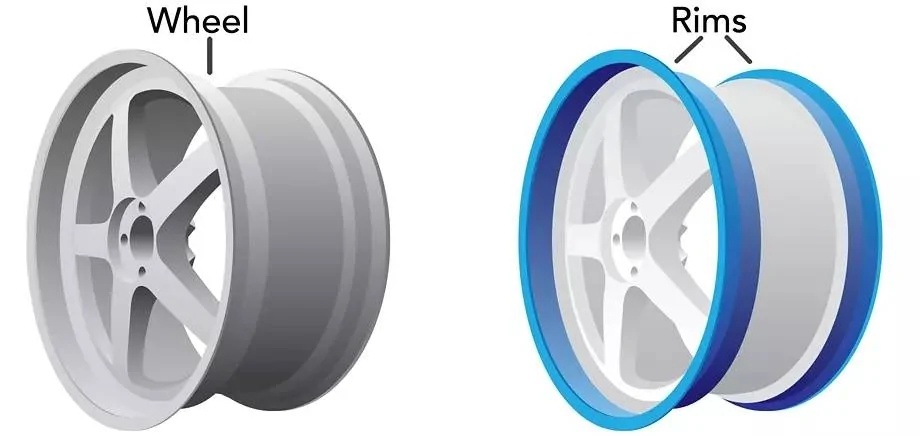
If you've been shopping for replacement wheel covers and keep seeing the term "wheel skins" pop up without a clear explanation of what separates them from a standard hubcap, you're not alone. It's one of the most common points of confusion in this product category and understandably so. The two products serve a similar purpose on the surface, but they work differently, fit differently, and are better suited for different situations.
This guide breaks down exactly what wheel skins are, how they compare to conventional hubcaps and wheel covers, and how to figure out which option makes the most sense for your vehicle.
What Are Wheel Skins, Hubcaps Exactly?
A wheel skin is a thin, precision-molded cover designed to fit over the face of an existing wheel, typically a steel wheel, though some are made for alloy wheels as well. Unlike a full wheel cover or hubcap that replaces the look of the entire wheel outward from the lug area, a wheel skin is designed to sit directly against the wheel's surface and mimic the appearance of a factory alloy or styled steel wheel.
Think of it like a form-fitting overlay. The skin hugs the contours of the original wheel, covers the flat or painted steel face, and gives the wheel a finished, polished appearance, often closely resembling a machined alloy wheel. When properly installed, wheel skins look nearly indistinguishable from a genuine alloy upgrade, which is part of the reason they've built a steady following among buyers who want the aesthetic without the cost.
The key thing to understand is that wheel skins are not a standalone product; they work in conjunction with the original wheel. They don't replace the structural function of anything; they're entirely cosmetic. That's an important distinction when you're weighing them against other wheel cover types.
Wheel Skins vs. Hubcaps: Understanding the Core Difference
When most people say "hubcap," they're referring to a full-face wheel cover that typically clips over the wheel with retention tabs or spring clips. These covers attach to the wheel's lip or lug nut area and cover most of the wheel's visible face. They're what you see on the vast majority of base-trim sedans, minivans, and entry-level SUVs that roll off the assembly line without alloy wheels.
Wheel skins differ in a few meaningful ways:
Fit and attachment. Standard hubcaps use clips or retention rings that grip the wheel's outer edge. Wheel Skins by contrast, are designed to fit flush against the face of the wheel with no visible clips or retention hardware on the front. Most wheel skins use a band or ring system on the back side that holds the skin securely once it's pressed into place. The result is a cleaner, more integrated look with no visible plastic tabs around the perimeter, no floating center cap aesthetic.
Profile and appearance. Because a wheel skin sits directly against the wheel surface rather than projecting outward from it, the finished product looks more like an actual alloy wheel. The depth, the shadow lines, the finish all of it reads as more three-dimensional and realistic than a traditional flat-faced hubcap. For vehicles where the factory steel wheel has a fairly flush, low-profile design, this can be a substantial visual difference.
Coverage. Most full-face hubcaps cover from the center cap area out to just inside the wheel's outer lip. Wheel skins are more precisely shaped to the original wheel's face and may expose a portion of the steel wheel's outer edge which actually works in their favor visually, since that exposed edge is often painted or finished to blend in rather than stand out.
Do Wheel Skins Really Look Like Alloy Wheels?
This is probably the most frequently asked question about this product, and the answer is: yes, they can when you're comparing the right skin to the right vehicle.
The best-looking wheel skin applications are ones where the original steel wheel has been specifically engineered with a skin in mind, or where the skin's profile closely matches the factory alloy offered on higher trim levels of the same vehicle. In those cases, the skin mimics the look of the upgrade wheel so closely that it's difficult to distinguish the two at any normal viewing distance.
For example, a wheel skin designed for a Toyota Camry or Honda Accord that replicates the look of that model's factory alloy isn't trying to imitate something the car was never meant to wear; it's recreating an appearance that version of the vehicle actually came with at a higher trim level. That specificity is what makes the better wheel skin options look convincing.
That said, not every skin will fool everyone up close. If the finish isn't right, or if the skin was designed as a generic style rather than a vehicle-specific replica, the result can look passable rather than premium. The quality of the material and the precision of the fit matter a lot here.
How Wheel Skin Installation Works
One of the practical advantages of wheel skins over standard hubcaps is how they install and for many drivers, this is the deciding factor.
Most wheel skins use a tool-free, clip-free installation method. The skin is pressed onto the face of the wheel and held in place by a stainless steel retention band or retention ring on the back side that provides tension against the wheel's edge. There are no clips to snap into place around the rim, no center cap to seat, and no risk of popping off the way some retention clip-style hubcaps can on rough roads or after hitting a pothole at the wrong angle.
The general installation process looks like this:
- Clean the face of the steel wheel thoroughly so no debris gets trapped under the skin.
- Position the wheel skin against the wheel face, aligning any lug nut openings with the corresponding lugs.
- Press the skin firmly against the wheel, working around the perimeter to ensure even contact.
- The retention band on the reverse side grips the wheel edge and holds the skin in place.
Some models require placing the skin over the lug nuts before they're fully torqued, which means they're meant to be installed during a tire mount or rotation. Others can be installed over fully seated lug nuts using pre-cut openings or caps that cover the lug area after installation.
Because they sit so close to the wheel surface, wheel skins also tend to stay put better than traditional hubcaps in everyday driving conditions. The lower profile means less aerodynamic catch, and the retention band system distributes holding force more evenly around the wheel than discrete clips do.
Which Vehicles Have Wheel Skin Options Available?
Wheel skins are available for a fairly wide range of passenger vehicles, though the selection is more focused than what you'd find for traditional hubcaps. The category tends to be strongest for:
Domestic cars and trucks. Chevrolet, Ford, and Dodge have historically been well-represented in the wheel skin market, particularly for their mid-size and full-size sedans and pickup trucks. Vehicles like the Ford F-150, Chevy Silverado, and Dodge Ram have been popular candidates for Wheel Skins, Hubcaps particularly in the base or work-trim configurations that come equipped with painted steel wheels.
Japanese makes. Toyota and Honda models including the Camry, Corolla, Accord, and Civic have solid wheel skin options in both OEM-style and aftermarket finishes. These are popular sellers because the base trim steel wheels on these vehicles are extremely common and the factory alloy look is well-defined and easy to replicate.
SUVs and crossovers. Vehicles like the Ford Explorer, Toyota RAV4, and Honda CR-V in base trims frequently come with steel wheels, and wheel skins designed to replicate the alloy options offered on higher trims are available for many of these models.
Minivans. The Chrysler Pacifica, Honda Odyssey, and Toyota Sienna in lower trim configurations are common candidates for wheel skins among buyers who want a more polished appearance without stepping into aftermarket alloy territory.
WheelCovers.Com carries both OEM original replacements and aftermarket wheel skin options across a wide range of makes, models, and wheel sizes from 15-inch steel wheels on economy cars to 17-inch and 18-inch applications on trucks and larger SUVs.
When Should You Choose Wheel Skins Over a Standard Replacement Hubcap?
There's no single right answer here, but a few situations point clearly toward wheel skins as the better option:
You want the closest thing to an alloy appearance without buying alloy wheels. If visual upgrade is the primary goal and you want something that looks finished and intentional rather than like a replacement part, wheel skins are the stronger choice. The profile and finish options available in quality wheel skin products simply look more convincing than most full-face hubcaps.
You've had trouble with hubcaps staying on. Clip-style hubcaps are reliable in most everyday driving, but some vehicles and wheel combinations are prone to losing them especially in rough conditions or on vehicles used on gravel, dirt, or industrial surfaces. The retention band method used by most wheel skins provides a different style of hold that tends to be more consistent on those types of applications.
You're installing during a tire service. Because some wheel skins are designed to go on during the tire mounting process, they're a natural fit for fleet operators or truck operators scheduling regular tire work. It's one appointment, one step.
The OEM hubcap for your vehicle is no longer available. Many older or discontinued vehicle models no longer have original-equipment wheel covers available through the dealer. A well-matched wheel skin can often serve as a practical and good-looking alternative.
You want a cleaner, lower-profile look. Some drivers simply prefer the visual aesthetic of a skin over a traditional hubcap. There's a more subtle, integrated quality to a properly fitted wheel skin that appeals to owners who want the wheel to look like part of the vehicle rather than an accessory added to it.
When a Standard Hubcap Makes More Sense
Wheel skins aren't the right choice in every situation. A standard wheel cover or hubcap is likely the better option when:
You need a quick, lower-cost replacement for a lost or damaged cover on a vehicle where appearance is functional rather than cosmetic, think work trucks, fleet vehicles, or older cars where matching the exact factory look matters less than simply having the wheels covered.
You're driving a vehicle where the wheel size and design don't have a matching wheel skin available. Not every wheel has a skin option, and forcing a poor fit is worse than using the right hubcap for the application.
Your vehicle came from the factory with a full-face wheel cover that integrates with the center cap and lug covers as a single unit. In those cases, the OEM-style replacement is typically the right call, and swapping to a wheel skin would require a different retention approach than the wheel was designed for.
A Note on Wheel Simulators and Trim Rings
While we're clarifying wheel cover categories, it's worth briefly noting where wheel simulators and trim rings fit in since these come up in the same conversation often.
Wheel simulators are primarily used on commercial trucks and dual-rear-wheel vehicles. They're designed to cover the entire outboard face of a steel wheel and are built from heavier-gauge materials like stainless steel or chrome ABS. They're a different product category from wheel skins entirely.
Trim rings, also called beauty rings or wheel rings, are narrow chrome or stainless bands that sit at the outer edge of the wheel. They're often paired with a center cap rather than a full face cover. They don't serve the same function as a wheel skin and are more of a classic styling accessory than a modern replacement option.
Finding the Right Wheel Skin for Your Vehicle
The most important factor in getting a wheel skin to look right and stay in place is an accurate fit. A skin designed for a 16-inch wheel won't fit a 17-inch wheel properly regardless of how similar they look, and a skin made for one specific model may not transfer correctly to a different make even if the wheel diameter matches.
That means starting with accurate information: your vehicle's year, make, model, trim level, and wheel size. The wheel size is printed on the tire sidewall and is also listed in your owner's manual or door jamb placard.