Designing Patio Zones Using Limestone Slabs: Seating, Dining, Flow
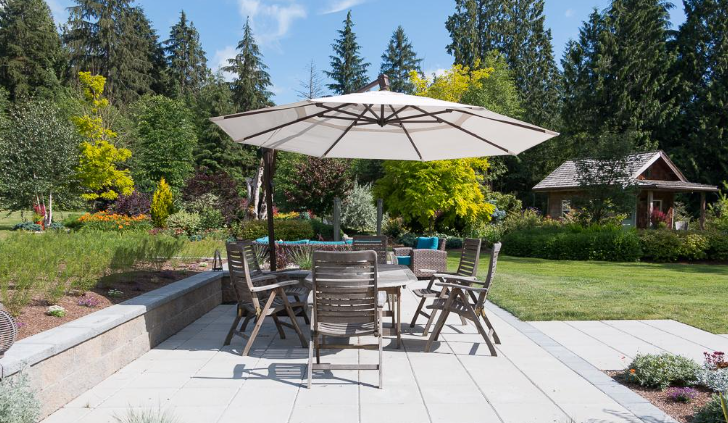
A well-designed patio is not just a flat surface with furniture placed randomly. It functions more like an outdoor room, where every section has a purpose and a natural connection to the next. Using limestone patio slabs, you can create distinct zones for seating, dining, and movement while maintaining a cohesive and visually balanced layout.
The idea is simple: instead of one large undefined space, you break the patio into functional areas. The challenge is doing it in a way that feels intentional, not forced. This is where limestone works particularly well. Its natural tones and subtle texture allow you to define spaces without making them feel disconnected.
Understanding the Concept of Zoning
Zoning is about assigning purpose to different parts of your patio. Think of it like planning a home interior. You would not place your dining table in the middle of your living room without structure. The same principle applies outdoors.
A good patio layout usually includes:
A seating or lounge area for relaxation
A dining space for meals and gatherings
Clear pathways that guide movement naturally
The goal is to create flow between these zones so that the space feels easy to navigate and comfortable to use.
Creating a Defined Seating Area
The seating zone is often the heart of the patio. This is where people spend the most time, so it should feel comfortable and slightly enclosed without being restrictive.
Limestone slabs can help visually anchor this space. You can use a consistent laying pattern or slightly different slab orientation to subtly distinguish it from other areas. Adding elements like planters, low walls, or outdoor rugs further enhances the sense of separation.
Positioning also matters. Seating areas work best when placed in quieter corners or areas with some form of natural boundary, such as garden edges or fencing. This creates a more intimate and relaxed environment.
Designing a Functional Dining Space
The dining zone should feel open and practical. Unlike seating areas, which can be slightly enclosed, dining spaces benefit from easy access and clear surroundings.
When using limestone slabs, ensure the surface is level and uniform. This is important not just for aesthetics but also for functionality. Uneven surfaces can make tables unstable, which quickly turns a pleasant meal into a balancing act.
Spacing is another key factor. There should be enough room to move chairs in and out comfortably. Ideally, the dining area should also connect smoothly to the kitchen or indoor space, making it convenient for serving food.
Establishing Natural Flow Between Zones
Flow is what ties everything together. Without it, even well-designed zones can feel disjointed. The movement between seating, dining, and other areas should feel intuitive.
Limestone is particularly effective for guiding flow because of its versatility. You can use different laying patterns, such as linear or staggered designs, to subtly indicate direction. Pathways created with the same material maintain continuity while still directing movement.
Avoid sharp transitions or abrupt changes in layout. Instead, aim for gradual shifts that guide people naturally from one area to another. Think of it as creating a visual rhythm across the space.
Using Layout Patterns to Define Spaces
One of the simplest ways to create zones is through slab patterns. Even when using the same material, changing the layout can create a clear distinction between areas.
For example, a uniform grid pattern might work well for dining, while a more varied or random pattern can add character to a seating area. Borders or framing techniques can also help outline specific zones without breaking the overall design.
These subtle changes are often more effective than introducing completely different materials, which can make the patio feel fragmented.
Balancing Open Space and Structure
A common mistake in patio design is overcrowding. Trying to fit too many elements into one area reduces both functionality and visual appeal.
Using limestone slabs, you can maintain a clean and open look while still defining zones. The natural texture of limestone adds enough visual interest on its own, so you do not need excessive decoration.
Leave some breathing space between zones. This not only improves movement but also makes each area feel more intentional.
Integrating Natural Elements
Limestone works best when combined with natural surroundings. Incorporating greenery, water features, or wooden elements can enhance the overall feel of the patio.
Plants can act as soft dividers between zones, while still maintaining an open and organic look. This approach avoids the need for rigid barriers and keeps the design fluid.
The combination of stone and greenery creates a balanced environment that feels both structured and natural.
Practical Considerations for Long-Term Use
Design is important, but practicality ensures the space remains usable over time. Proper installation, drainage, and maintenance all play a role in how well the patio performs.
Ensure that the limestone slabs are laid on a solid base with adequate drainage. This prevents issues like water pooling or shifting over time. Regular cleaning and occasional sealing will help maintain the appearance without requiring excessive effort.
Bringing It All Together
Designing patio zones is about creating a space that feels both functional and inviting. With the right approach, limestone patio slabs allow you to define seating, dining, and flow without disrupting the overall harmony of the space.
By focusing on layout, balance, and natural transitions, you can transform a simple patio into a well-structured outdoor environment. And if everything is planned correctly, the space will not just look good, it will actually work the way you want it to.
