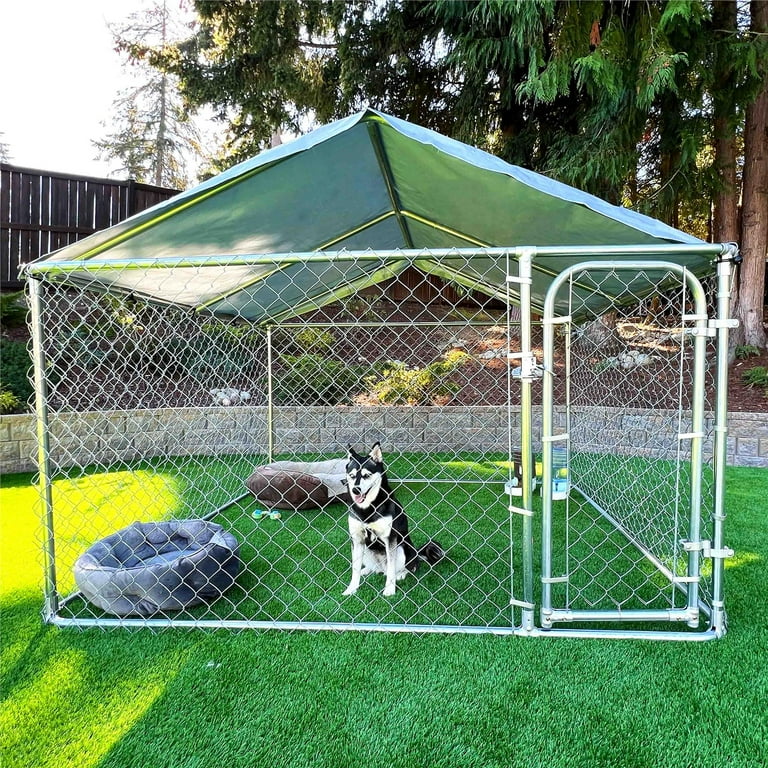
Introduction
Keeping your dog protected from harsh weather conditions is important, especially when they spend time in an outdoor kennel. A sturdy cover shields them from sun, wind, and rain while providing comfort and security. Instead of purchasing a ready-made kennel cover, which can be costly, you can create one yourself using tarpaulin.
This guide will take you through the steps to make a durable, easy-to-install kennel cover using affordable materials. Whether for temporary or long-term use, this method ensures your dog has a safe and comfortable space.
Materials Required
Before starting, gather the following items:
- Tarps – A waterproof and UV-resistant option is best for durability for roofing purposes.
- Measuring Tape – Essential for precise sizing and cutting.
- Sharp Scissors or Utility Knife – Needed to trim the tarpaulin accurately.
- Grommet Kit – Strengthens the edges and provides secure attachment points.
- Bungee Cords, Zip Ties, or Rope – Helps fasten the tarpaulin to the kennel frame.
- Heavy-Duty Clips or Clamps – Keeps the cover in place.
- Velcro Strips (Optional) – Allows for an easily accessible opening if required.
- Mesh Tarps - Provides shade if used for kennel runs, allows for airflow, plus reduces crawling and flying pests.
Step-by-Step Instructions
Step 1: Measure the Kennel
Getting the correct measurements is essential to ensure full coverage:
- Measure the width, length, and height of the kennel.
- If your kennel is irregularly shaped, measure each section separately for an accurate fit.
- Add a few extra inches (around 4–6 inches) on each side to allow room for secure fastening.
Accurate measurements prevent gaps and provide full weather protection.
Step 2: Cut the Tarp to Fit
Once you have your dimensions, cut the tarpaulin to size:
- Lay the tarpaulin on a flat, clean surface.
- Use a marker to outline the required dimensions.
- Trim along the lines using sharp scissors or a utility knife.
- Double-check the size by placing it over the kennel before proceeding to the next step.
Step 3: Strengthen the Edges
A reinforced edge increases durability and reduces wear over time:
- Fold each edge over by about an inch to create a stronger seam.
- Use a grommet kit to insert grommets every 12 to 18 inches along the edges.
- If needed, further reinforce the edges with strong adhesive or by stitching them securely.
Strengthened edges prevent tearing and keep the cover intact during strong winds.
Step 4: Attach the Cover to the Kennel
Once your tarp is cut and reinforced, secure it to the kennel:
- Position the tarpaulin over the kennel so that it provides complete coverage.
- Use bungee cords, zip ties, or rope to thread through the grommets.
- Tighten the fasteners to keep the cover firmly in place while allowing for some flexibility.
- Use heavy-duty clips or clamps to hold down any loose edges.
- If an easy-access entry is needed, affix Velcro strips along one section for convenient opening and closing.
Step 5: Ensure Stability
To confirm your kennel cover is properly secured, test for stability:
- Wind Test – Lightly pull on the tarp to check that it won’t shift or detach.
- Waterproofing Check – Pour water over it to see if it repels moisture effectively.
- Final Adjustments – Make any necessary modifications for a snug fit without restricting airflow.
A well-secured cover protects your dog while maintaining proper ventilation.
Customization Options
Since each dog and environment has unique needs, consider these customization ideas:
- Select an Appropriate Color – Light-colored tarps reflect sunlight and keep the kennel cooler in summer, while darker ones retain warmth in colder months.
- Enhance Security – Additional clips and bungee cords help keep the cover in place in windy conditions.
- Improve Ventilation – Cut out a small section and attach a breathable mesh screen to maintain airflow while keeping insects out.
- Add Weights for Extra Stability – Secure the corners with weighted items if needed.
- Use Dual Layers – Layering two tarps with a slight gap between them provides extra insulation and temperature control.
Common Issues and Solutions
If you encounter problems while making or using your kennel cover, try these fixes:
- The tarp is too small: Attach an extra section using strong adhesive or sewing it together.
- Flapping in strong winds: Increase fastening points or use a heavier tarpaulin.
- Water pooling on top: Create a slanted design so rainwater runs off instead of collecting.
- Tears or damage over time: Patch holes with waterproof fabric tape or replace worn-out sections as needed.
Advantages of a DIY Kennel Cover
Opting for a homemade kennel cover has several benefits:
- Lower Cost: A DIY cover costs significantly less than commercial alternatives.
- Tailored Fit: You can customize the size, shape, and features based on specific requirements.
- Portability: The cover is easy to remove, store, and transport when needed.
- Weather Resistance: Protects dogs from intense sunlight, rain, and wind.
- Increased Privacy and Comfort: Reduces distractions and noise, creating a calmer space for your pet.
Final Thoughts
A portable dog kennel cover can also be made from clear tarp is an effective way to provide weather protection and warming comfort in colder climates. By following this guide, you can create a sturdy, reliable cover without spending a fortune.
With a little effort and attention to detail, you can design a kennel cover that meets your dog's needs while holding up against outdoor conditions. Experiment with different fastening methods, colors, and ventilation options to find the best fit for your setup.
Your dog deserves a safe and comfortable space, and a well-made cover ensures they stay protected year-round.