Water Removal: A Complete Guide to Protecting Your Property
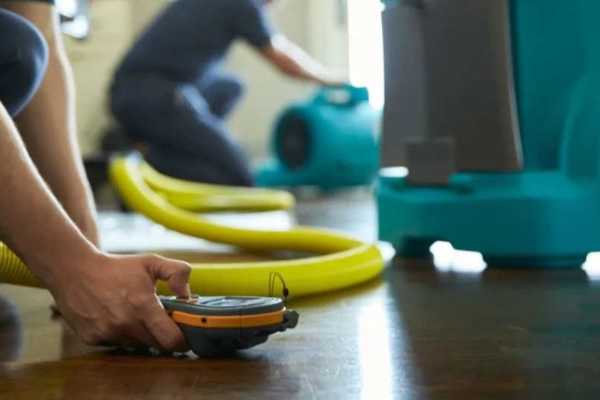
Water damage can be devastating, whether caused by flooding, leaks, or burst pipes. Proper water removal is essential to prevent structural damage, mold growth, and costly repairs. In this guide, we will explore the importance of water removal, methods used, and how to restore your property effectively.
Why Water Removal is Important
When water enters a home or business, it can quickly lead to significant issues:
- Structural Damage: Prolonged exposure weakens walls, floors, and ceilings.
- Mold and Mildew Growth: Moisture encourages mold growth, which can cause health problems.
- Electrical Hazards: Water can damage electrical systems, posing a fire risk.
- Property Loss: Furniture, carpets, and appliances may be ruined if not dried properly.
Steps for Effective Water Removal
1. Identify and Stop the Source
Before starting water removal, locate the source of water and stop it. This may involve shutting off water valves, fixing leaks, or using sandbags during floods.
2. Remove Standing Water
- Using Pumps: Submersible pumps and wet/dry vacuums help remove large amounts of water.
- Mopping and Towels: For smaller spills, mops, towels, and buckets can be effective.
3. Dry and Dehumidify the Area
Once standing water is removed, drying the area is crucial:
- Air Circulation: Open windows and use fans to improve airflow.
- Dehumidifiers: Help reduce moisture levels to prevent mold.
- Specialty Drying Equipment: Industrial air movers may be required for severe cases.
4. Clean and Sanitize
- Disinfect Surfaces: Use antimicrobial treatments to prevent mold and bacteria.
- Remove Damaged Materials: Wet carpets, insulation, and drywall may need replacement.
5. Monitor for Mold Growth
Even after drying, keep an eye on walls, ceilings, and flooring for mold signs. If mold appears, professional remediation may be necessary.
Professional vs. DIY Water Removal
- DIY Water Removal: Suitable for small leaks and minor water issues.
- Professional Water Removal: Needed for large-scale flooding, contaminated water, or hidden moisture problems.
Conclusion
Water removal is essential for minimizing damage and maintaining a safe, healthy environment. Acting quickly and using the right techniques can save your property from long-term problems. For severe water damage, professional restoration services can ensure complete recovery.