Shopping App Development: Building the Future of Digital Retail
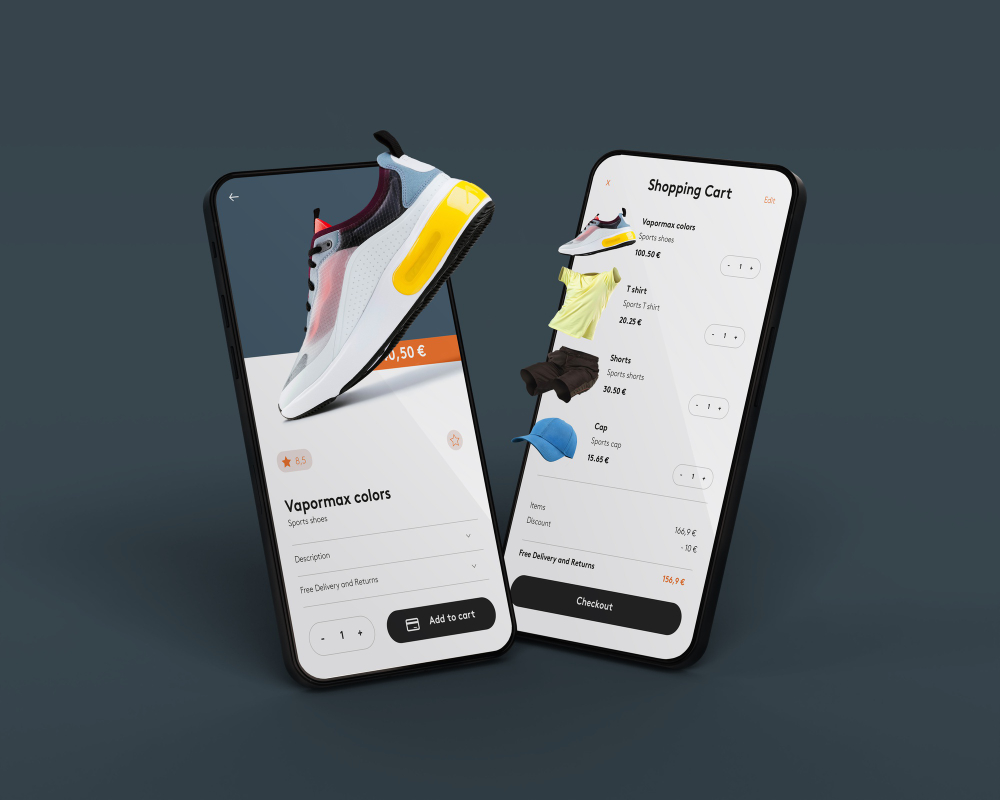
The rapid growth of mobile commerce has completely transformed the retail industry. Consumers today prefer shopping through mobile applications because they offer convenience, faster transactions, personalized experiences, and seamless product browsing. From fashion and electronics to groceries and lifestyle products, businesses across industries are investing heavily in mobile shopping platforms to strengthen their digital presence.
Modern shopping app development is no longer limited to large eCommerce brands. Startups, retailers, and local businesses are also entering the digital marketplace by creating feature-rich shopping applications that improve customer engagement and drive sales growth.
As smartphones continue dominating online purchases worldwide, businesses are focusing on creating scalable, secure, and user-friendly mobile shopping solutions that meet evolving customer expectations.
What Is a Shopping App?
A shopping app is a mobile application that allows users to browse products, compare prices, place orders, make payments, and track deliveries directly from their smartphones. These apps simplify the online shopping process and provide businesses with direct access to their customers.
Modern shopping applications typically include:
Product catalogs
Search and filter systems
Secure payment gateways
Order tracking
Customer reviews
Wishlist functionality
Push notifications
AI-powered recommendations
Shopping apps help businesses increase customer retention while offering more personalized shopping experiences.
Why Businesses Are Investing in Shopping Apps
The growth of digital commerce and changing consumer behavior have made mobile shopping applications essential for modern businesses.
Key reasons businesses are investing in shopping apps include:
Increasing smartphone usage
Growing online shopping demand
Better customer engagement
Faster purchasing experiences
Improved brand visibility
Higher conversion rates
Mobile apps also allow businesses to build stronger customer relationships through personalized communication and loyalty programs.
Key Features of a Successful Shopping App
- User-Friendly Interface
An intuitive and visually appealing interface is critical for customer satisfaction. Users should be able to navigate categories, search products, and complete purchases easily.
Good UI/UX design improves:
Customer engagement
Conversion rates
App usability
Brand trust
2. Advanced Search and Filters
Modern users expect quick and accurate product discovery. Smart search functionality helps customers find products based on:
Categories
Pricing
Ratings
Popularity
Brand preferences
AI-powered search systems are becoming increasingly popular in modern retail applications.
- Secure Payment Integration
Security is one of the most important aspects of any shopping app. Customers need confidence that their payment information and personal data are protected.
Popular payment methods include:
Credit/debit cards
Digital wallets
UPI payments
Net banking
Buy-now-pay-later services
Strong payment security improves customer trust and reduces cart abandonment rates.
- Personalized Recommendations
Artificial intelligence and machine learning technologies are helping businesses deliver personalized shopping experiences.
Modern apps use customer behavior data to provide:
Product suggestions
Personalized discounts
Shopping recommendations
Behavioral insights
Personalization significantly improves customer retention and sales performance.
- Push Notifications
Push notifications help businesses engage customers directly by sending:
Promotional offers
Cart reminders
Product updates
Flash sale alerts
Order tracking information
When used strategically, notifications increase customer engagement and repeat purchases.
Ecommerce Shopping App Development Trends
The world of ecommerce shopping app development is evolving rapidly with the integration of advanced technologies.
Artificial Intelligence
AI-powered systems improve:
Product recommendations
Customer support
Inventory management
Demand forecasting
Personalized marketing
AI chatbots are also helping businesses provide instant customer assistance.
Augmented Reality (AR)
AR technology allows users to virtually try products before purchasing. Fashion, furniture, and beauty brands are increasingly adopting AR shopping experiences.
Benefits include:
Better customer engagement
Reduced return rates
Enhanced user experiences
Voice Commerce
Voice-enabled shopping is growing with the rise of smart assistants like Alexa and Google Assistant.
Customers can now:
Search products using voice
Place orders hands-free
Track deliveries
Receive personalized suggestions
Voice commerce is expected to become a major part of the future retail ecosystem.
Blockchain and Secure Payments
Blockchain technology is improving transaction security and payment transparency in digital commerce platforms.
Blockchain can help:
Prevent fraud
Improve transaction security
Enhance supply chain transparency
Enable cryptocurrency payments
Shopping App Development Cost
The shopping app development cost depends on several factors including app complexity, design, technology stack, and feature requirements.
Major cost factors include:
UI/UX design
Platform selection (iOS, Android, or both)
Backend infrastructure
Payment gateway integration
AI and analytics features
Security implementation
Third-party API integrations
A basic shopping application may require a smaller investment, while enterprise-grade platforms with AI personalization and advanced scalability features involve larger development budgets.
Choosing the Right Development Partner
There are many global shopping app development companies offering custom retail app solutions for startups and enterprises.
Before selecting a development company, businesses should evaluate:
Industry experience
Technical expertise
Portfolio quality
Scalability capabilities
Security standards
Post-launch support
An experienced development partner can help businesses create high-performance shopping applications that align with market trends and customer expectations.
Benefits of Shopping Apps for Businesses
Shopping applications provide several advantages for modern businesses.
Improved Customer Engagement
Mobile apps allow direct communication with customers through notifications, loyalty programs, and personalized offers.
Increased Sales Opportunities
Convenient shopping experiences encourage more purchases and improve customer retention.
Better Brand Visibility
A mobile application strengthens brand recognition and helps businesses remain connected with customers.
Real-Time Analytics
Businesses can monitor:
Customer behavior
Purchase trends
Product performance
Sales analytics
These insights support better marketing and operational strategies.
Future of Shopping App Development
The future of shopping applications will focus heavily on:
AI-powered personalization
Voice commerce
AR/VR shopping experiences
Blockchain payments
Social commerce integration
Hyper-personalized recommendations
As customer expectations continue evolving, businesses will need smarter, faster, and more engaging digital shopping experiences.
Conclusion
Shopping applications have become an essential part of the modern retail industry. From personalized shopping experiences and AI-powered recommendations to secure payments and mobile-first convenience, digital commerce platforms are transforming how customers interact with brands.
Businesses investing in advanced online shopping app solutions can improve customer engagement, increase revenue opportunities, and strengthen their competitive position in the rapidly evolving digital marketplace. As technology continues advancing, shopping apps will remain one of the most important drivers of future retail growth.