Regional Bus Travel in the US: A Practical Guide to Connecting Smaller Cities and State Capitals
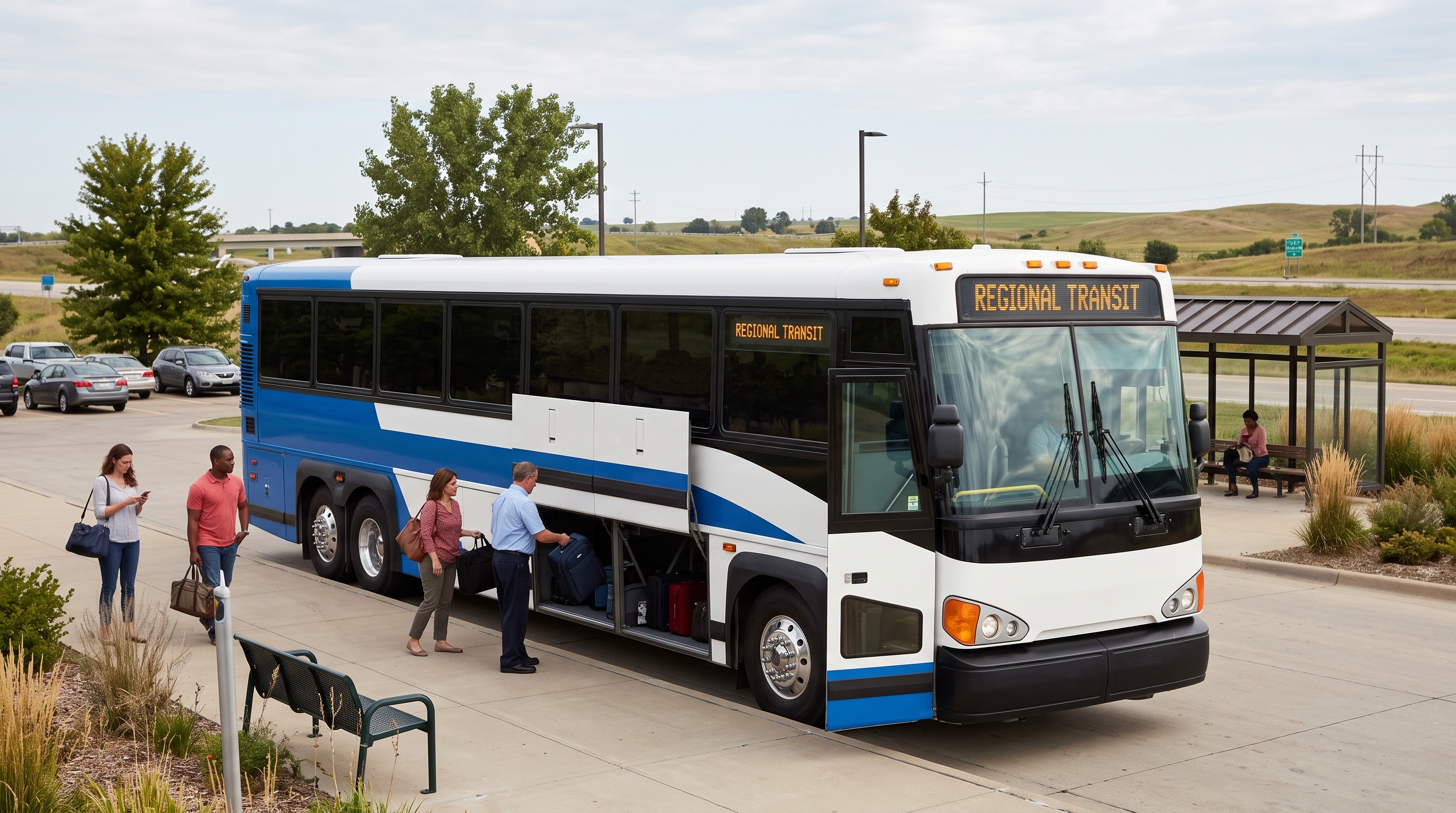
Planning travel between major metropolises like Chicago, New York, or Los Angeles is usually straightforward. High-frequency flights, passenger rail corridors, and dozens of interstate motorcoach runs make getting between massive population hubs relatively simple. However, organizing ground transit between regional hubs, secondary urban centers, and inland state capitals requires a different approach entirely.
Whether you are heading to a legislative session in an administrative center, visiting family across county lines, or touring mid-sized regional communities, regional bus travel serves as the backbone of intercity mobility. Navigating these regional networks efficiently demands attention to schedule density, transfer logistics, and reliable ticket reservation methods. Understanding how regional bus corridors operate helps you save money, bypass airport security lines, and reach your destination with minimal friction.
Why Regional Bus Routes Operate Differently from Major Transit Corridors
Long-haul highway routes that connect primary cities tend to run multiple departures around the clock. By contrast, regional transit networks connecting mid-sized towns or state capitals often feature fewer daily runs, specialized departure points, and distinct operating patterns.
Limited Departure Windows
On regional routes, carriers often run only one or two departures per day. In many states, trips that link smaller economic centers to capital districts operate on schedules tailored around business hours or mid-day transfers. Missing a scheduled departure on a regional leg can mean waiting until the next calendar day rather than simply catching a bus two hours later. Checking carrier timetables in advance through digital booking tools like BoletoXpress ensures you secure an itinerary that fits your arrival deadline.
Diverse Boarding Locations
Unlike major metropolitan hubs where carriers congregate in multi-level transit centers, regional routes frequently utilize alternative stops. A pickup spot might be an intermodal rail platform, a designated curbside park-and-ride lot, or a municipal transit transfer station. Verifying the physical street address of your boarding spot rather than assuming it is a traditional bus station prevents last-minute confusion.
The Mix of Regional and National Carriers
Regional corridors are often served by a combination of national bus lines and specialized regional operators. Some smaller routes exist as connector services contracted to link rural or mid-sized communities with interstate networks. Using an online ticket platform such as BoletoXpress allows passengers to compare options across operators who might otherwise maintain disparate individual booking engines.
Key Planning Strategies for Secondary City and Capital Connections
When your itinerary involves travel between smaller hubs, proactive logistics make the difference between a smooth ride and unexpected delays.
1. Build Generous Buffers Around Transfers
If your trip requires transferring from one motorcoach to another, or moving from a regional bus to an Amtrak line or commuter train, allow at least 60 to 90 minutes between connections. Regional motorcoaches share public highways with everyday freight and commuter traffic. Highway construction zones, weather shifts, and peak rush-hour congestion around intermediate towns can add minutes to transit times. A comfortable buffer ensures an unexpected slowdown does not cause a missed connection.
2. Match Your Booking to Travel Purpose
Business travelers visiting capital offices, university students traveling during breaks, and leisure passengers have distinct scheduling requirements:
-
Mid-week travel for business or government business: When traveling to state offices or regional courthouses, prioritize morning arrivals. Booking your seats a couple of weeks ahead on BoletoXpress can help guarantee arrival before business hours close.
-
Weekend getaways and campus visits: Friday afternoon and Sunday evening departures see the highest passenger volumes on regional lines. These runs sell out much earlier than mid-week trips.
3. Review Baggage Allowances for Smaller Fleet Vehicles
While full-sized 56-passenger motorcoaches handle standard checked luggage in underfloor bays, some regional connector routes deploy smaller mid-coaches or shuttle buses with tighter cargo limitations. Review the baggage policy associated with your ticket before packing oversized sports gear, multiple large suitcases, or bulky equipment. Most regional tickets include one carry-on bag and one checked item, but policies vary by operator.
Exploring Regional Ground Routes: Practical Examples
To see how regional transit functions in practice, consider two common domestic route types: midwestern agricultural and industrial connectors, and expansive western basin corridors.
Navigating Midwestern State Corridors
In the Midwest, regional routes often connect political centers with major educational, medical, and manufacturing hubs across relatively flat agricultural terrain. These routes provide essential transit for students, state employees, and healthcare travelers who prefer avoiding highway driving in winter conditions.
A clear example of this dynamic is ground transit in central Illinois. When travelers need to journey from the seat of state government to central healthcare and university facilities, booking a direct motorcoach from springfield il to peoria provides a dependable alternative to driving Interstate 55 and Interstate 74. Because regional Illinois corridors experience seasonal weather disruptions like snow and freezing rain, choosing a professional motorcoach service allows passengers to work or rest while experienced drivers handle highway conditions. Travelers can check departure schedules through BoletoXpress to select a departure window that aligns with their appointments.
Crossing Western Desert and Mountain Basins
Ground travel in western states presents an entirely different geographical profile. Distances between municipalities are vast, elevation changes are substantial, and towns can be separated by hours of open desert or mountain passes.
Consider travel between southern Nevada's entertainment hub and the state capital tucked near Lake Tahoe. Taking a bus from las vegas to carson city nv involves traversing historic western highways that pass through rugged terrain. For travelers who do not want to rent a car for a one-way trip or deal with the logistics of regional mountain driving, scheduled motorcoach service offers a reliable transit solution. Using an aggregate booking service like BoletoXpress helps long-distance passengers secure their seats across these expansive western stretches where alternative transit options are scarce.
Essential Preparation Checklist for Regional Bus Trips
A little preparation goes a long way toward an easy trip on regional lines:
-
Download your boarding pass early: Cell service can be spotty along rural highways and remote corridors. Download your digital boarding pass to your smartphone wallet, or keep a printed copy in your personal bag as a backup.
-
Pack personal comfort supplies: While modern coaches often feature climate control and reclining seats, temperatures inside the cabin can vary. Dressing in light layers and carrying a travel pillow makes longer regional trips significantly more pleasant.
-
Bring offline entertainment and power banks: Many regional buses offer onboard Wi-Fi and power outlets at each row. However, bandwidth on rural highway stretches may not support continuous video streaming, and occasional seat outlets may be loose. Having a charged portable power bank and pre-downloaded reading material or podcasts ensures you stay entertained throughout the ride.
-
Carry snacks and water: Unlike passenger trains, buses rarely have onboard dining or snack cars. Some longer routes make scheduled brief rest stops at highway plazas, but having your own water bottle and non-perishable snacks guarantees sustenance if traffic delays the scheduled meal stop.
How to Book Regional Bus Tickets Efficiently
Securing regional motorcoach seats differs from purchasing airline tickets. Follow these guidelines to ensure a hassle-free reservation experience:
-
Book early during seasonal peaks: While regional buses can sometimes accommodate last-minute bookings, prices tend to rise closer to departure, and holiday runs routinely sell out. Using BoletoXpress well ahead of your planned travel dates helps you lock in your preferred departure time.
-
Double-check boarding and drop-off addresses: Because regional stops vary, verify whether your bus arrives at a central downtown depot, a suburban transfer lot, or a college campus stop. This helps you arrange local rideshares, taxis, or connecting transit in advance.
-
Confirm cancellation and rebooking policies: Regional travel plans can shift due to business delays or changing personal schedules. Before finalizing payment on BoletoXpress, review the change and refund terms for your specific ticket class.
-
Monitor notifications on departure day: Reputable booking platforms and carriers provide schedule alerts if traffic congestion or mechanical issues impact departure timing. Keep your notification contact details up to date when booking through BoletoXpress so you receive immediate operational updates.
Frequently Asked Questions
How far in advance should I arrive at a regional bus stop?
For most regional bus trips, plan to arrive at the boarding area 20 to 30 minutes before the scheduled departure time. This window gives you enough time to locate the exact coach bay, check your larger bags with the driver, and show your boarding pass without rushing.
What should I do if my bus stop is an unattended curb or park-and-ride?
Arrive early and verify that you are standing at the exact intersection or shelter marked on your confirmation ticket. Look for carrier logo signage or designated intercity bus parking bays. If other travelers are waiting with luggage, confirm that they are waiting for the same scheduled line.
Can I buy regional bus tickets directly from the driver?
Most regional carriers now require pre-purchased digital or paper tickets before boarding. Drivers rarely carry cash change or credit card readers, and available seats are allocated to online reservations first. It is safest to book in advance through BoletoXpress to guarantee an open seat on the coach.
Are power outlets and Wi-Fi guaranteed on regional buses?
While a vast majority of modern motorcoaches feature power outlets and Wi-Fi, equipment availability can vary depending on the specific coach assigned to the route. It is always wise to travel with a fully charged phone and a backup power bank in case an individual outlet is out of service.
How are delays handled on regional routes with highway traffic?
Carriers build baseline schedule allowances into their timetables, but severe weather or highway accidents can cause delays. Drivers communicate with central dispatch to reroute when safe and feasible. If you have an important appointment or connection, always book a schedule that arrives well before your event starts.
What are the standard luggage limits on regional bus services?
Standard luggage guidelines typically allow one piece of checked baggage stored in the luggage compartment and one personal carry-on item that fits in the overhead rack or under your seat. Always confirm the specific baggage parameters shown on your ticket confirmation during checkout.
