The Importance of Ergonomic Design in Surgical Instruments
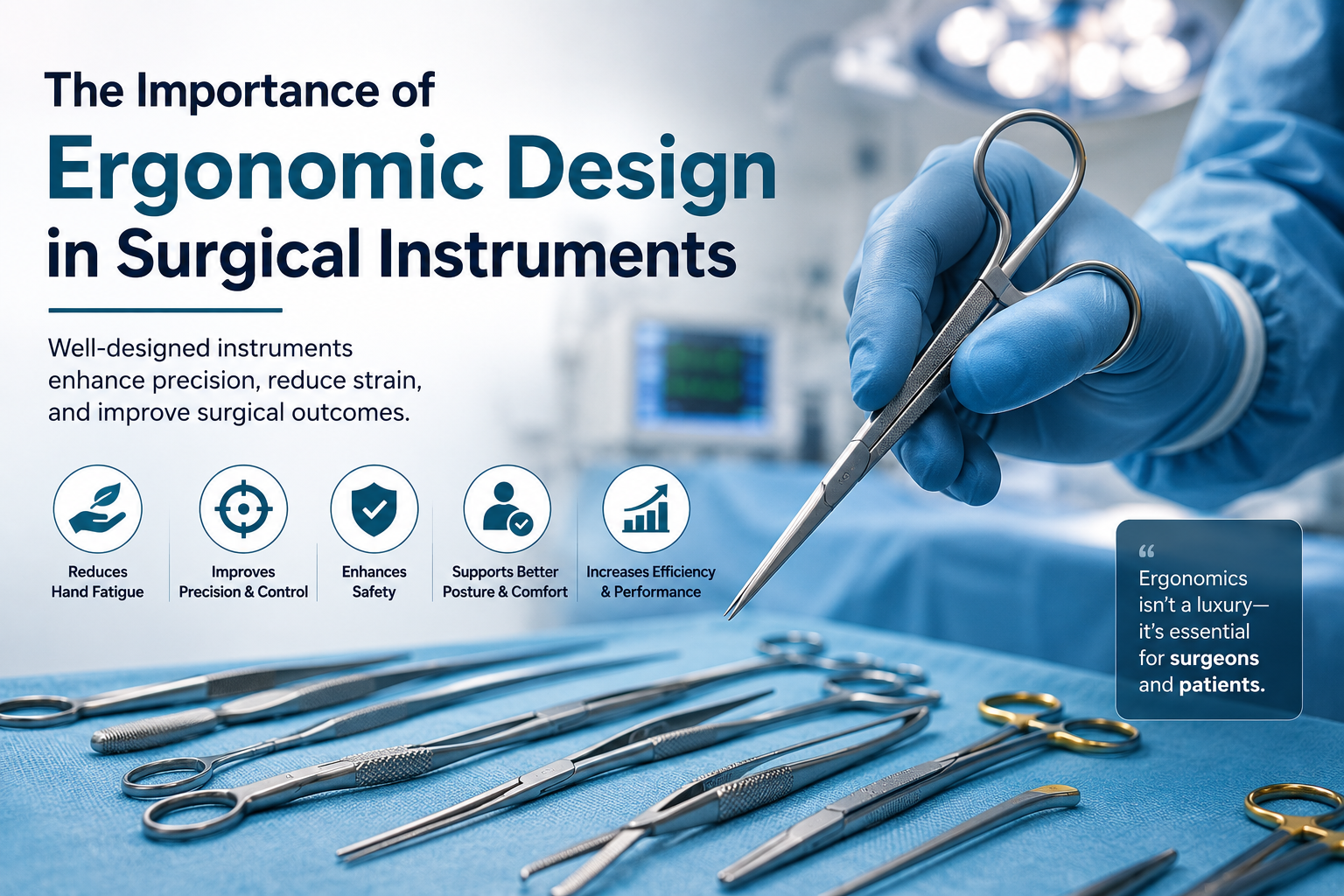
Today’s healthcare environment emphasizes precision, speed, and patient safety. Technology has drastically altered surgical practices; however, there is another important element which may be overlooked — the ergonomically designed surgical instrument. A well-designed instrument provides surgeons not only increased comfort, but contributes to improved clinical results, decreased fatigability, and increased efficiency when performing operations.
Ergonomic surgical tools are being used as an integral component of operating rooms around the world to enable medical personnel to perform advanced surgical techniques with more confidence and accuracy than ever before.
What is ergonomic design in surgical instruments?
Ergonomic design is essentially the process of designing instruments that are comfortable to hold by the user, while decreasing the amount of physical stress experienced by the user during extended periods of time. These tools are created using engineering principles to provide users with ease-of-use and optimal support for natural movement of the hands, increase gripping ability, and decrease the likelihood of developing repetitive strain injuries (rsi).
Some common features of ergonomic design include:
Lightweight components
Non-slipping grips
Optimal balance of weight
Grip shape providing comfort
Decreasing the need for force during instrument operation
Each of these characteristics will allow surgeons to maintain control over their surgical technique throughout each procedure.
Why are ergonomics important during Surgery?
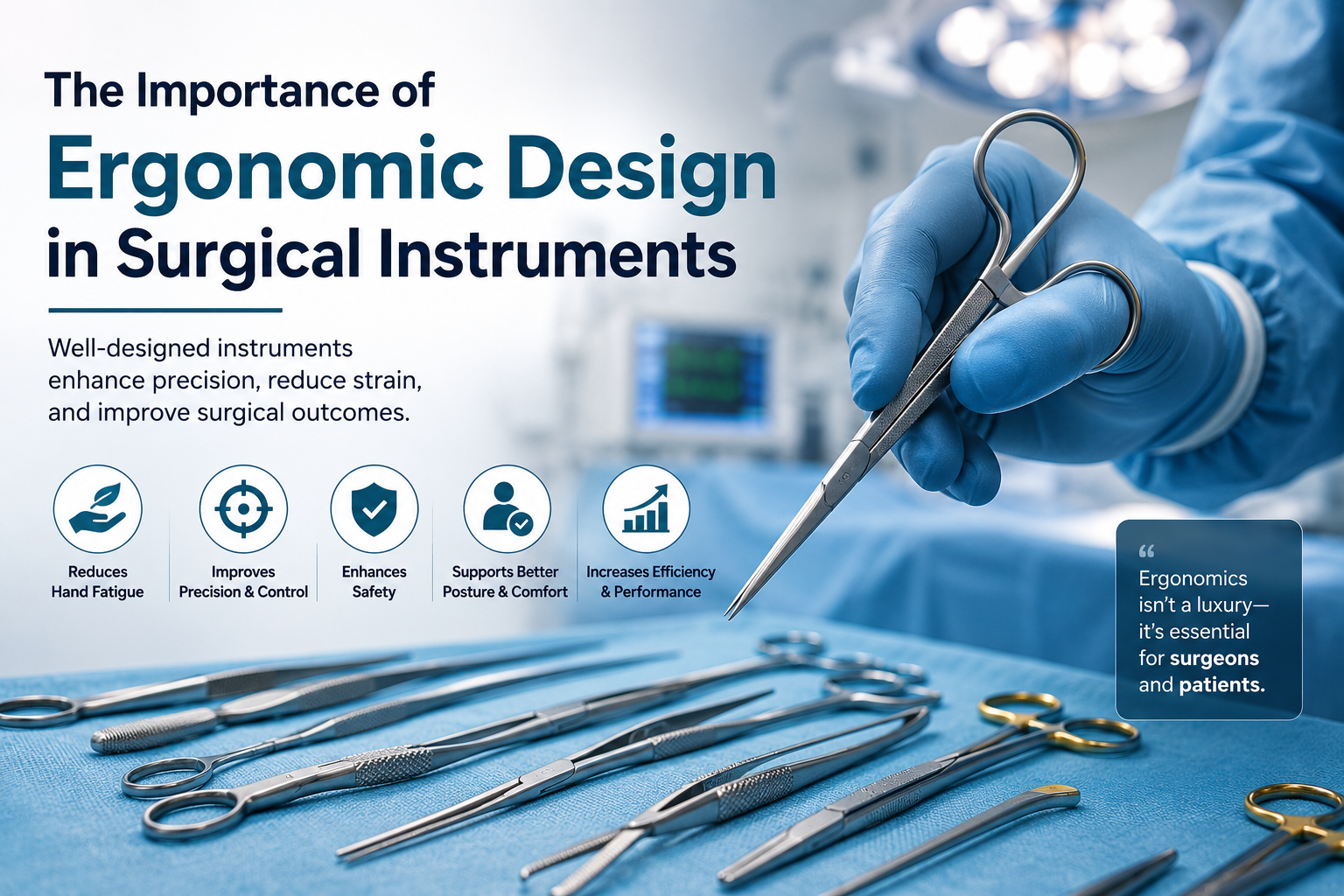
Surgical procedures can involve hours of continued concentration and require extremely precise hand movements. Instruments poorly designed can cause a variety of problems including discomfort, fatigue of the muscles of the hands and wrists, and even long term damage.
Ergonomic surgical instruments offer several significant benefits to surgeons, such as:
Improved accuracy during the execution of intricate procedures
Reduced fatigue of the hands and wrists during lengthy surgical procedures
Improved control and stabilization of the surgical site
Improved comfort for the surgeon
Reduced possibility of rsi injury to the surgeon
Improved patient safety through the elimination of errors resulting from physically exhausted or uncomfortable surgeons.
As ergonomic instruments reduce physical strain on surgeons, this enables them to consistently perform to their highest level throughout each operation.
Improved surgical efficiency
Comfort directly affects a surgeon’s ability to achieve maximum performance during each procedure. Surgeons who experience less fatigue are able to stay focused on the task at hand longer and therefore perform with more precision.
Benefits to the surgeon include:
Increased precision when making incisions
Greater ability to handle tissues delicately
Ability to complete procedures faster
Reduced likelihood of experiencing accidental slips
Improvement in overall efficiency of the surgical process
Hospitals and health care institutions now understand that investing in ergonomic instruments aids both medical professionals and patients.
Supporting health care professionals outside of the operating room
Ergonomic design does not only extend to surgical instruments. In addition to surgical instruments, hospitals and home health care services are also acquiring other types of equipment which prioritize patient comfort and caregiver safety. For patients who require post operative treatment, having access to quality medical equipment at home can greatly aid in their recovery. Companies which offer same day hospital bed rentals deliver Toronto area residents essential medical equipment quickly and easily so family members do not have to endure excessive delays awaiting necessary support equipment for their loved ones.
Benefits for hospitals and health care institutions
There are numerous benefits to health care institutions using ergonomic equipment.
Some key advantages include:
Decrease in number of work place related injuries
Increase in job satisfaction among employees
Improve efficiency of work flow processes
Decrease in employee fatigue due to working conditions
Increase in long term productivity among employees
Improve quality of patient care provided by employees who feel comfortable while working under difficult conditions.
When health care workers can work comfortably, they are more likely to continue to meet high expectations even under the most challenging schedules.
Selecting quality medical equipment
Regardless if you choose surgical instruments or post-operative care equipment, your primary concern should always be quality. Both patients and health care institutions should search for products made with durable material, safe for patients, and functionally ergonomical.
If you plan for your family member to recover at home and you ask yourself "where can i rent a hospital bed?" Selecting a reputable company to purchase your medical supplies from will ensure your family member receives clean medical equipment properly maintained and supported by knowledgeable people with timely delivery.
Trends in future development of ergonomic medical products
Technology in medicine continues to develop rapidly. Manufacturers today are emphasizing designs that will improve both patient outcomes and the welfare of health care providers. Expected future trends include:
Smart surgical instruments
New materials with reduced weights
Instrument handles customized to individual needs
Robot-assisted systems optimized for ergonomic purposes
Infection resistant surfaces developed using new technology
Artificial intelligence assisted surgical devices
These developments will not only optimize precision during Surgery but also minimize physical strain on health care workers.