Why Leather Duffle Bags Age Better Than Any Other Material
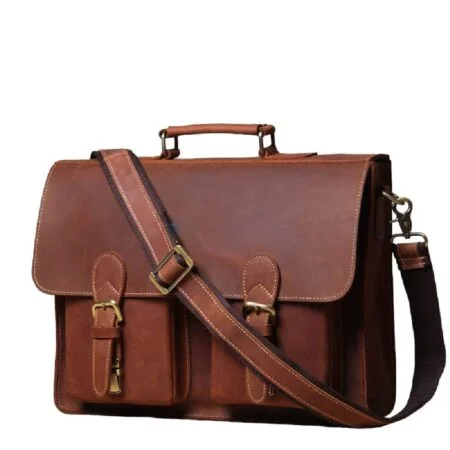
Have you ever noticed how some bags seem to look worse with age, while others somehow get better? A canvas duffle may fray, synthetic materials can crack or peel, but a well-made leather duffle bag often develops more character the longer you own it. Scuffs turn into stories. Creases become personality. That evolution isn’t accidental—it’s built into the nature of leather itself.
If you travel often, head to the gym daily, or pack for weekend getaways, your bag takes a beating. You want something that doesn’t just survive years of use, but actually improves because of it. That’s where leather stands apart from every other material on the market.
In this guide, you’ll learn why leather duffle bags age better than fabric or synthetic alternatives, how the aging process works, and what separates high-quality leather from pieces that don’t stand the test of time. Whether you already own a leather duffle or are considering one, understanding how and why leather matures will help you appreciate it for decades, not just seasons.
The Science Behind Leather Aging
Leather is a natural material made from animal hide, which means it has fibers that respond to use, movement, and environment. Unlike plastic-based materials that eventually degrade, leather adapts. When you carry a leather duffle bag, the fibers flex and relax repeatedly, becoming softer without losing strength.
Over time, leather develops what’s known as a patina—a subtle sheen and color variation created by exposure to light, oils from your hands, and everyday wear. This patina is one of the most desirable traits in quality leather goods. It’s not damage; it’s transformation.
Synthetic materials are designed to resist change, but that resistance eventually fails. Once a coating cracks or peels, there’s no recovery. Leather, on the other hand, absorbs conditioning oils and moisture, allowing it to remain flexible and strong for decades when cared for properly.
That’s why when you invest in authentic leather items, you’re not buying something static. You’re choosing a material that evolves with you instead of breaking down against you.
Durability That Improves With Use
Most materials weaken over time. Leather is different because use actually strengthens its performance when it’s well-made. Full-grain and top-grain leathers retain the strongest fibers of the hide, which means they resist tearing even after years of stress.
A leather duffle bag is designed to handle weight. Shoes, clothing, toiletries, and electronics all add strain, especially around handles and seams. Leather distributes that stress more evenly than woven fabrics, reducing the risk of sudden failure.
Another key factor is repairability. Leather can be reconditioned, restitched, and even reshaped. If a zipper fails or a seam loosens, the bag doesn’t become useless. It becomes serviceable. That’s a major reason why craftsmen and frequent travelers continue to trust leather over modern alternatives.
When shopping for quality leather goods, traditional craftsmanship and material selection make all the difference. Brands that focus on skilled construction and strong hides—like those offering handcrafted leather products
—understand that longevity is built long before the bag ever reaches your hands.
Why Patina Adds Value, Not Wear
In most products, visible wear lowers value. Leather works in reverse. The patina that develops over time is unique to you, shaped by how you carry, store, and travel with your bag. No two leather duffle bags age the same way.
This is especially appealing for professionals and minimalists who prefer fewer, better possessions. A leather duffle doesn’t need to be replaced every few years because it never looks “outdated.” Instead, it gains character and depth.
Compare that to nylon or faux leather. Once those materials fade or crack, they look worn out, not well-used. Leather’s color deepens, the surface smooths, and small marks blend into a cohesive finish rather than standing out as flaws.
That visual aging is why leather duffle bags are often passed down or kept for decades. They become personal artifacts rather than disposable accessories.
Leather vs. Fabric and Synthetic Materials
Fabric duffle bags have their place. They’re lightweight and often inexpensive. But over time, fabric absorbs odors, stains easily, and weakens at stress points. Handles fray. Zippers pull loose. The structure collapses.
Synthetic leather attempts to mimic the look of real leather without the cost, but it lacks the internal fiber structure that gives leather its resilience. Once synthetic coatings crack, there’s no way to restore them. Moisture and heat only accelerate that breakdown.
Leather responds differently to the same conditions. Heat helps oils absorb. Conditioning restores flexibility. Even water exposure, when managed correctly, doesn’t permanently ruin quality leather.
For travelers who want something reliable year after year, leather duffle bags consistently outperform other materials. That’s why many people eventually replace multiple fabric bags with one well-made leather option that simply lasts longer and looks better doing it.
If you’re exploring options built specifically for long-term travel and durability, browsing well-crafted leather duffle bags
can help you understand how design, structure, and material quality all work together.
How Lifestyle Enhances Leather Aging
One of the most interesting aspects of leather is how it reflects your lifestyle. A duffle used for business travel ages differently than one used for gym sessions or road trips. Handles darken where you grip them most. Corners soften where the bag brushes against your side.
This personalization is something no factory-made synthetic bag can replicate. Leather doesn’t just carry your belongings—it records your habits.
For chefs, creatives, and frequent travelers, this connection matters. Your bag becomes familiar, molded to your routine. Zippers loosen just enough. Straps soften where they sit on your shoulder. The bag works with you, not against you.
That kind of relationship only happens when the material is alive in a sense—responsive, flexible, and forgiving. Leather is one of the few materials that offers that experience consistently.
Caring for Leather So It Ages Gracefully
While leather ages beautifully, it still benefits from basic care. Simple habits make a huge difference over the years.
Wipe your bag occasionally with a dry or slightly damp cloth to remove surface dust. Condition it a few times a year with a leather-safe conditioner to keep the fibers nourished. Avoid long-term exposure to direct sunlight or extreme heat, which can dry the leather prematurely.
Most importantly, use your bag. Leather that sits untouched can dry out faster than leather that’s regularly handled. Regular use keeps oils moving through the material, which helps maintain flexibility and strength.
With minimal effort, your leather duffle bag won’t just last—it will improve.
Conclusion
Leather duffle bags age better than any other material because leather is built to evolve. Its natural fibers strengthen with use, develop a rich patina, and adapt to your lifestyle instead of deteriorating from it. While fabric frays and synthetics crack, leather matures, gaining character and depth over time.
When you choose a well-made leather duffle, you’re investing in durability, repairability, and timeless appeal. It’s not about chasing trends or replacing worn-out gear every few years. It’s about owning something that grows with you.
If you value longevity, authenticity, and a bag that tells your story through every mile traveled, leather remains unmatched—and it always will.