How Apple Could Strengthen Its Market Position During the 2026 Memory Shortage
The global semiconductor industry is entering a new phase of AI-driven disruption. After two years dominated by GPU shortages and accelerating demand for AI accelerators, memory has emerged as the next major battleground.
DRAM and high-bandwidth memory (HBM) prices have been climbing rapidly as hyperscale AI deployments consume enormous amounts of semiconductor capacity. According to reporting from Reuters, suppliers including Samsung Electronics and SK hynix warned that booming AI demand was tightening supply availability for PCs and smartphones, creating upward pressure across the broader memory market.
For many hardware vendors, this trend represents a major threat to margins and product stability. But for Apple, the situation may evolve very differently.
The emerging memory shortage is not simply a story about rising component costs. It is becoming a strategic negotiation battle between suppliers and device manufacturers — and Apple may still hold advantages that much of the industry cannot replicate.
AI Has Changed the Economics of Memory
The AI boom fundamentally altered the priorities of the semiconductor industry.
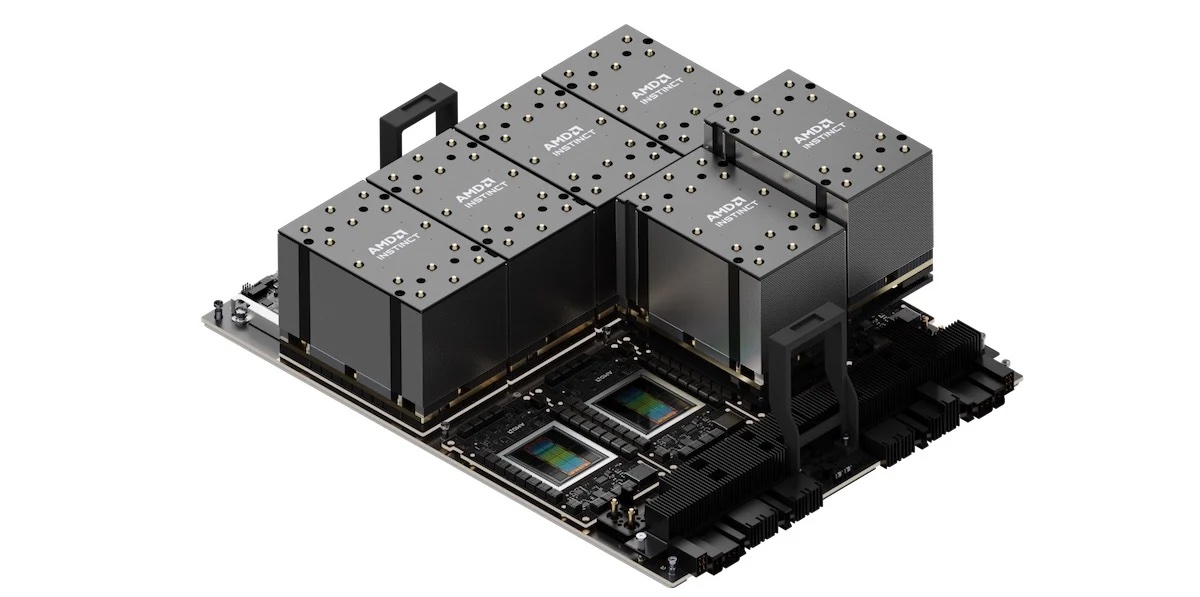
Modern AI accelerators require massive amounts of high-speed memory bandwidth, particularly HBM and advanced DRAM products. As demand from AI infrastructure providers surged, memory manufacturers increasingly shifted production capacity toward higher-margin enterprise and AI-oriented products.
This transition reduced supply flexibility for consumer electronics markets.
Industry analysts interviewed by Asymco described the situation as a potential “memory panic,” warning that memory could represent a dramatically larger portion of total device manufacturing costs than in previous years.
The pressure is already visible across the industry. Reports from Tom’s Hardware noted that major suppliers shortened contract cycles as pricing power shifted back toward memory manufacturers during the shortage.
This is a major reversal from the traditional dynamics of the smartphone and PC industries, where large OEMs historically held stronger negotiating leverage over component suppliers.
Samsung Gained Pricing Power — But That Does Not Mean Apple Lost
Recent reports suggested Apple accepted higher LPDDR5X memory pricing from Samsung amid tightening market conditions. Some reports even claimed the increases were substantial compared to prior contract cycles. MacRumors
However, framing the situation as Apple “losing” to Samsung oversimplifies what is actually happening.
The more accurate interpretation is that AI-driven scarcity temporarily strengthened supplier bargaining power across the industry.
That distinction matters.
Memory shortages affect nearly every smartphone manufacturer, PC vendor, cloud infrastructure provider, and electronics producer simultaneously. In such environments, the critical issue is not whether prices increase — it is who can still secure stable supply, predictable allocation, and long-term manufacturing continuity.
This is where Apple remains uniquely positioned.
Apple Still Possesses Structural Advantages Most Competitors Lack
Despite rising memory prices, Apple continues to operate one of the world’s most powerful supply-chain ecosystems.
The company ships hundreds of millions of devices annually and remains one of the largest buyers of advanced semiconductor components globally. That scale creates long-term strategic value for suppliers, even during periods of constrained supply.
Large-volume customers provide suppliers with predictable revenue streams, manufacturing stability, and multi-year demand visibility. These relationships become especially important during volatile market cycles.
Apple also has a long history of influencing global supply chains through aggressive procurement strategies, manufacturing investments, and operational scale. The company previously secured large amounts of NAND flash capacity during the iPod and iPhone expansion eras, helping ensure product continuity while competitors struggled with supply limitations.
The same type of leverage may become increasingly important during the current memory cycle.
Unlike smaller hardware vendors, Apple has the financial scale and operational discipline to negotiate long-term contracts, diversify suppliers, and absorb temporary pricing volatility more effectively than many competitors.
Apple Silicon May Quietly Become a Competitive Weapon
Apple’s technical architecture may also provide an additional layer of protection.
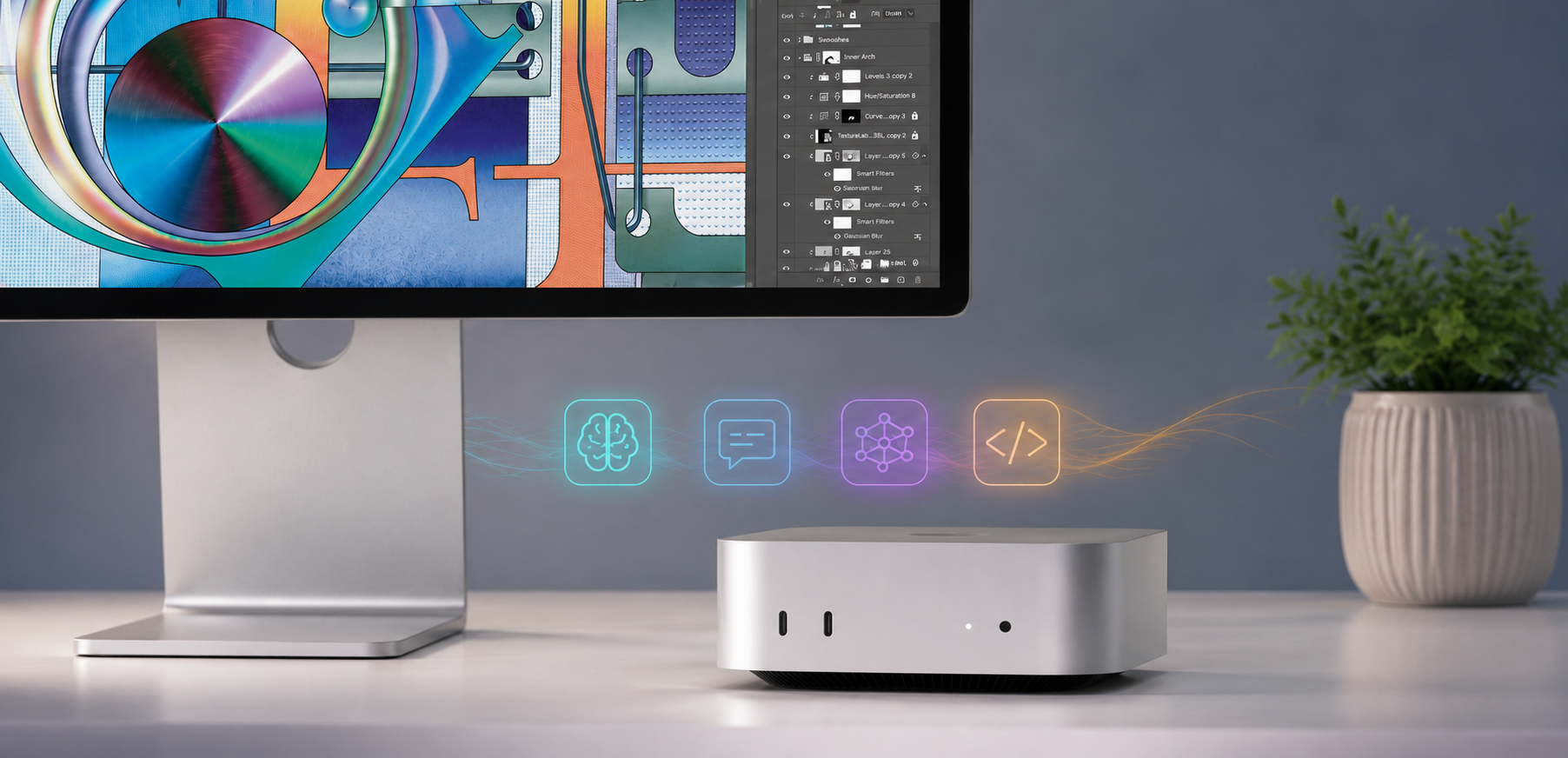
Since transitioning to Apple Silicon, the company has relied heavily on unified memory architecture, allowing CPUs, GPUs, and AI accelerators to share a common memory pool more efficiently. According to Apple Developer Documentation, unified memory reduces redundant data transfers and improves memory utilization efficiency.
That efficiency becomes strategically valuable during a memory shortage.
In practical terms, Apple devices can often deliver strong performance using lower total memory capacity compared to traditional architectures that rely on separate memory pools for different processing components.
Combined with memory compression technologies and tight hardware-software integration, Apple may be able to maintain competitive user experiences while using memory resources more efficiently than rivals.
As memory prices rise, efficiency itself becomes an economic advantage.
The Real Risk May Be for Apple’s Competitors
The most important implication of the 2026 memory shortage may not be Apple’s rising costs — it may be the pressure placed on weaker competitors.
Lower-margin smartphone brands, smaller PC manufacturers, and white-label hardware vendors often operate with less purchasing leverage and tighter financial flexibility. Sustained memory inflation could compress margins, reduce product availability, or force cost increases that weaken their market position.
Apple, by contrast, operates with premium margins, stronger ecosystem lock-in, and far greater supply-chain influence.
This means Apple does not necessarily need to avoid higher memory prices entirely. It only needs to manage the disruption more effectively than competitors.
In a constrained market, relative advantage matters more than absolute cost reduction.
If competing manufacturers face greater supply instability or higher procurement costs, Apple could emerge from the shortage with stronger market positioning despite paying more for memory itself.
AI Is Transforming Memory Into a Strategic Asset
The broader significance of the current shortage extends beyond Apple or Samsung.
AI infrastructure growth is reshaping the economics of the entire semiconductor ecosystem. Memory is no longer behaving like a low-margin commodity component. Instead, it is becoming a strategic asset tied directly to AI compute expansion.
This shift is already influencing enterprise hardware planning, secondary-market valuations, and IT infrastructure lifecycle management.
As organizations upgrade infrastructure to support AI workloads, secondary markets for enterprise hardware continue evolving. Businesses seeking to recover value from surplus equipment can explore services to sell memory, sell used CPU, Sell GPU, and sell used SSD Hard Drives through BuySellRam.com as AI-driven demand continues reshaping hardware markets.
Conclusion
The 2026 memory shortage is not merely a pricing story. It is a strategic struggle over supply-chain control, allocation power, and long-term market positioning in the AI era.
Yes, memory suppliers such as Samsung gained leverage as AI demand tightened global supply. But that does not automatically place Apple at a disadvantage.
On the contrary, Apple’s scale, supplier relationships, financial strength, and unified-memory architecture may allow the company to navigate the disruption more effectively than much of the industry.
In a market where memory availability increasingly determines competitive strength, Apple’s greatest advantage may not be avoiding higher prices — it may be surviving the shortage better than everyone else.