Automation in Manufacturing: A Guide to Benefits and Challenges
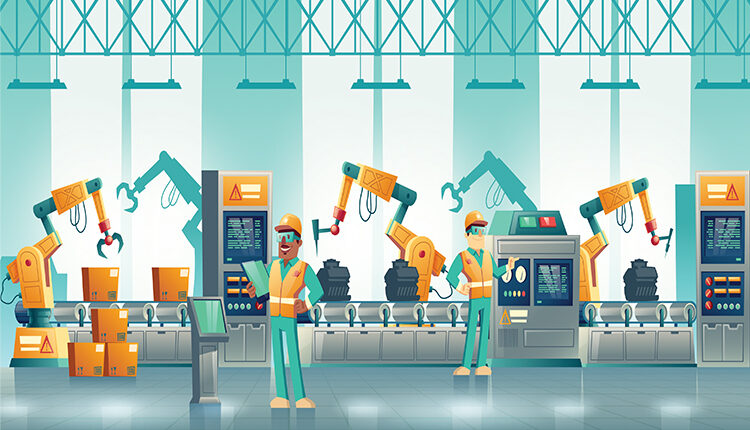
The manufacturing landscape has undergone a dramatic transformation over the past decade, driven largely by technological advancements and the increasing adoption of automated systems. As global competition intensifies and consumer demands evolve, manufacturers worldwide are turning to automation as a strategic solution to remain competitive and efficient. This comprehensive guide explores the multifaceted world of automation in manufacturing, examining its benefits, challenges, and the practical considerations that industry leaders must address.
Understanding Automation in Manufacturing
Manufacturing automation refers to the use of control systems, machinery, and information technologies to handle different production processes with minimal human intervention. This transformation extends beyond simple mechanization, encompassing sophisticated technologies including robotics, artificial intelligence, machine learning, and the Internet of Things (IoT). These systems work in concert to streamline operations, reduce errors, and optimize production capabilities.
The modern manufacturing floor looks vastly different from its predecessors. Where workers once performed repetitive tasks manually, intelligent machines now execute complex sequences with precision and consistency. This shift represents not just a change in tools, but a fundamental reimagining of how products are conceived, designed, and brought to market.
The Compelling Benefits of Manufacturing Automation
Enhanced Productivity and Efficiency
Perhaps the most immediately apparent advantage of automation in manufacturing lies in its ability to dramatically increase productivity. Automated systems operate continuously without the physical limitations that constrain human workers. Machines do not require breaks, shift changes, or time off, enabling manufacturers to maintain production around the clock. This continuous operation translates directly into higher output volumes and faster time-to-market for new products.
Beyond sheer volume, automated systems execute tasks with remarkable consistency. Each operation follows programmed parameters precisely, eliminating the natural variation that occurs in manual processes. This consistency ensures that product quality remains uniform across thousands or even millions of units.
Improved Quality Control and Precision
Quality management represents another area where automation delivers substantial advantages. Automated inspection systems utilize advanced sensors and imaging technologies to detect defects that might escape human observation. These systems can measure tolerances in micrometers, identify surface imperfections, and verify assembly accuracy with unprecedented reliability.
The precision offered by automated machinery reduces waste significantly. When cutting, forming, or assembling materials, automated tools maintain exact specifications, minimizing scrap and rework. This precision becomes particularly critical in industries where tolerances are extremely tight, such as aerospace, medical device manufacturing, and electronics production.
Cost Reduction Over Time
While the initial investment in automation technology can be substantial, the long-term financial benefits often justify the expenditure. Labor costs represent a significant portion of manufacturing expenses, and automation helps optimize workforce deployment. Rather than eliminating jobs entirely, automation typically allows companies to redirect human talent toward higher-value activities that require creativity, problem-solving, and strategic thinking.
Material costs also decrease through automation. Precise control over production processes reduces waste, and predictive maintenance systems help prevent costly equipment failures. Energy efficiency improvements further contribute to operational savings, as modern automated systems often consume less power than their manual counterparts.
Enhanced Workplace Safety
Manufacturing environments can pose significant safety risks to workers. Heavy machinery, repetitive motions, exposure to hazardous materials, and physically demanding tasks contribute to workplace injuries. Automation addresses many of these concerns by removing humans from dangerous situations.
Robots handle tasks involving extreme temperatures, toxic substances, or heavy lifting. Automated systems operate in environments that would be uncomfortable or unsafe for human workers. This shift not only protects employee wellbeing but also reduces costs associated with workplace accidents, including medical expenses, compensation claims, and production disruptions.
Greater Flexibility and Scalability
Modern automated systems offer remarkable flexibility, adapting quickly to changing production requirements. Programmable machines can be reconfigured for different products or specifications without extensive retooling. This agility enables manufacturers to respond more effectively to market demands, accommodate customization requests, and experiment with new product variations.
Scalability becomes more manageable with automation. As demand increases, manufacturers can adjust production parameters or add additional automated units more easily than recruiting and training new employees. This scalability provides a competitive advantage in dynamic markets where demand fluctuates.
Data Collection and Analytics
Automated manufacturing systems generate vast amounts of data about every aspect of the production process. Sensors monitor machine performance, track production metrics, and identify patterns that humans might overlook. This data provides invaluable insights for continuous improvement initiatives.
Manufacturers can analyze this information to identify bottlenecks, predict maintenance needs, optimize workflows, and make evidence-based decisions about process improvements. The integration of artificial intelligence and machine learning further enhances these capabilities, enabling predictive analytics that anticipate problems before they occur.
Navigating the Challenges of Manufacturing Automation
Substantial Initial Investment
The financial barrier to automation represents one of the most significant challenges facing manufacturers, particularly small and medium-sized enterprises. Purchasing advanced machinery, installing necessary infrastructure, and integrating systems with existing operations requires considerable capital investment.
The costs extend beyond equipment acquisition. Facilities may require modifications to accommodate new machinery, power systems might need upgrades, and safety features must be installed. This upfront expenditure can strain budgets and requires careful financial planning and justification.
Technical Complexity and Integration Issues
Implementing automation in manufacturing environments involves significant technical complexity. Modern factories often contain legacy equipment alongside new automated systems, creating integration challenges. Ensuring that different technologies communicate effectively requires expertise in multiple domains, from mechanical engineering to software development.
The complexity extends to choosing appropriate solutions. Manufacturers must evaluate numerous technologies, vendors, and implementation strategies. Making the wrong choices can result in systems that fail to deliver expected benefits or become obsolete quickly.
Workforce Transition and Skills Gap
The shift toward automation creates uncertainty among workers who fear job displacement. While automation typically creates new roles focused on system oversight, maintenance, and optimization, these positions require different skill sets than traditional manufacturing jobs.
Bridging this skills gap presents a significant challenge. Companies must invest in training programs to help existing employees transition to new roles. Finding workers with the necessary technical skills to operate and maintain automated systems can be difficult, particularly in regions where educational institutions have not adapted curricula to reflect industry needs.
Managing the human dimension of automation requires thoughtful change management. Clear communication about automation plans, transparent discussions about workforce impacts, and genuine investment in employee development help ease transitions and maintain morale.
Cybersecurity Vulnerabilities
As manufacturing systems become increasingly connected, they face growing cybersecurity risks. Automated factories rely on networked systems, cloud-based platforms, and remote access capabilities, creating potential entry points for malicious actors.
A successful cyberattack on manufacturing systems could halt production, compromise intellectual property, or even result in physical damage to equipment. Protecting these systems requires robust cybersecurity measures, including firewalls, intrusion detection systems, regular security audits, and employee training on security best practices.
Maintenance and Downtime Concerns
While automation reduces certain types of production interruptions, it introduces new maintenance requirements. Automated systems contain sophisticated components that require specialized knowledge to service. When critical equipment fails, the impact on production can be severe if backup systems or redundancies are not in place.
Implementing effective preventive maintenance programs becomes essential. These programs must balance the need to keep equipment running with the requirement to perform regular inspections and service. Predictive maintenance technologies help optimize these schedules, but they require additional investment and expertise.
Inflexibility in Certain Applications
Despite advances in flexible automation, some manufacturing scenarios still require human adaptability. Tasks involving complex decision-making, delicate handling of irregular materials, or responses to unpredictable situations may remain better suited to human workers.
Extremely high-mix, low-volume production environments may not justify automation investment. In these scenarios, the time and cost required to program and reconfigure automated systems for each product variation can outweigh the benefits.
Strategic Considerations for Implementation
Successfully implementing automation in manufacturing requires careful planning and strategic thinking. Organizations should begin with a comprehensive assessment of their current operations, identifying processes where automation would deliver the greatest value. This assessment should consider factors including production volume, product complexity, quality requirements, and safety concerns.
Developing a phased implementation approach often proves more effective than attempting to automate entire facilities simultaneously. Starting with pilot projects allows manufacturers to learn, adjust strategies, and demonstrate value before making larger commitments. These pilot projects also provide opportunities to develop internal expertise and refine implementation methodologies.
Selecting the right technology partners and vendors significantly influences success. Manufacturers should evaluate potential partners based on their industry expertise, technological capabilities, support services, and long-term viability. Building strong relationships with these partners facilitates troubleshooting, upgrades, and ongoing optimization.
The Future of Manufacturing Automation
The trajectory of automation in manufacturing points toward increasingly intelligent, adaptive, and interconnected systems. Artificial intelligence and machine learning will enable machines to make autonomous decisions, optimize processes in real-time, and even predict and prevent problems before they occur.
Collaborative robots, designed to work safely alongside human workers, represent an emerging trend that combines the strengths of both automation and human capability. These systems allow for flexible deployment and easier integration into existing workflows.
The continued evolution of IoT technologies will enable even greater connectivity and data sharing across manufacturing operations. This connectivity will facilitate more sophisticated analytics, better coordination between different production stages, and enhanced visibility into supply chain dynamics.
Conclusion
Automation in manufacturing represents a powerful tool for organizations seeking to enhance competitiveness, improve quality, and optimize operations. The benefits including increased productivity, superior quality control, cost reduction, enhanced safety, and valuable data insights make automation an attractive strategic investment.
However, these advantages come with legitimate challenges that require careful consideration. High initial costs, technical complexity, workforce transitions, cybersecurity risks, and maintenance requirements demand thoughtful planning and ongoing management.
Success in manufacturing automation ultimately depends on approaching implementation strategically, investing in both technology and people, and maintaining a long-term perspective. Organizations that navigate these challenges effectively position themselves to thrive in an increasingly competitive and technologically sophisticated manufacturing landscape.
The journey toward automation is not about replacing human workers with machines, but rather about creating synergies between human creativity and technological capability. By embracing this balanced approach, manufacturers can build operations that are more efficient, safer, and better positioned to meet the demands of modern markets.
Visit Our Service: https://itsybizz.com/Real-Time-Production-Automation-Software
