Best Aquarium Substrate for Plants & Shrimp: Top Choices and Setup Guide
Choosing the right aquarium substrate is one of the most important decisions for planted tanks with shrimp. The best aquarium substrate for plants & shrimp needs to support root growth, maintain water chemistry, and provide a safe environment for sensitive invertebrates. Get it wrong, and your plants struggle while your shrimp population crashes.
This guide explores the top substrate options, explains why certain types excel for shrimp and plants together, and walks you through setup steps for long-term success.
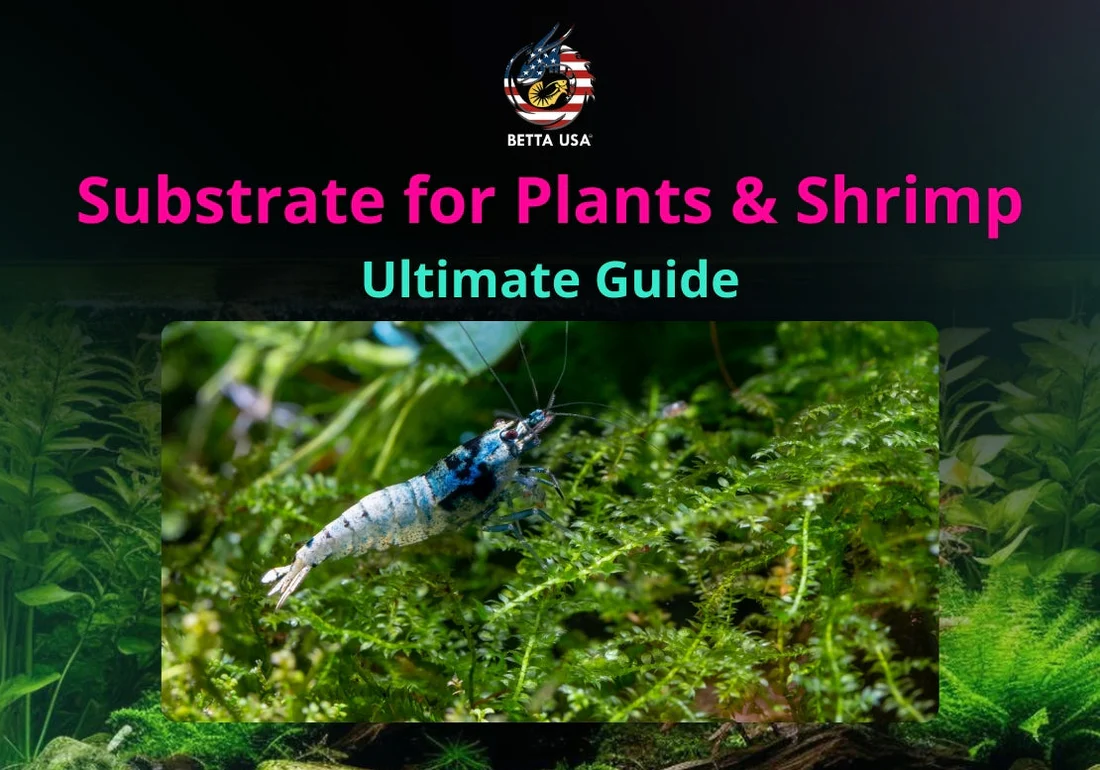
Why substrate matters for plants and shrimp
Plants draw essential nutrients from their roots, while shrimp graze on biofilm that forms on substrate surfaces. A good substrate anchors plants firmly, releases minerals slowly, and creates microhabitats where biofilm thrives without harming water quality.
For plants, the ideal substrate holds oxygen pockets for roots and buffers pH as it breaks down organic matter. Shrimp prefer stable pH, low ammonia, and a texture that lets them burrow or climb without sharp edges. Combining these needs means avoiding pure sand that compacts too much or coarse gravel that starves roots.
The best aquarium substrate for plants & shrimp strikes a balance: nutrient-rich enough for plants but inert or buffered to protect shrimp molting cycles.
Aquasoil: The top pick for nutrient-hungry plants
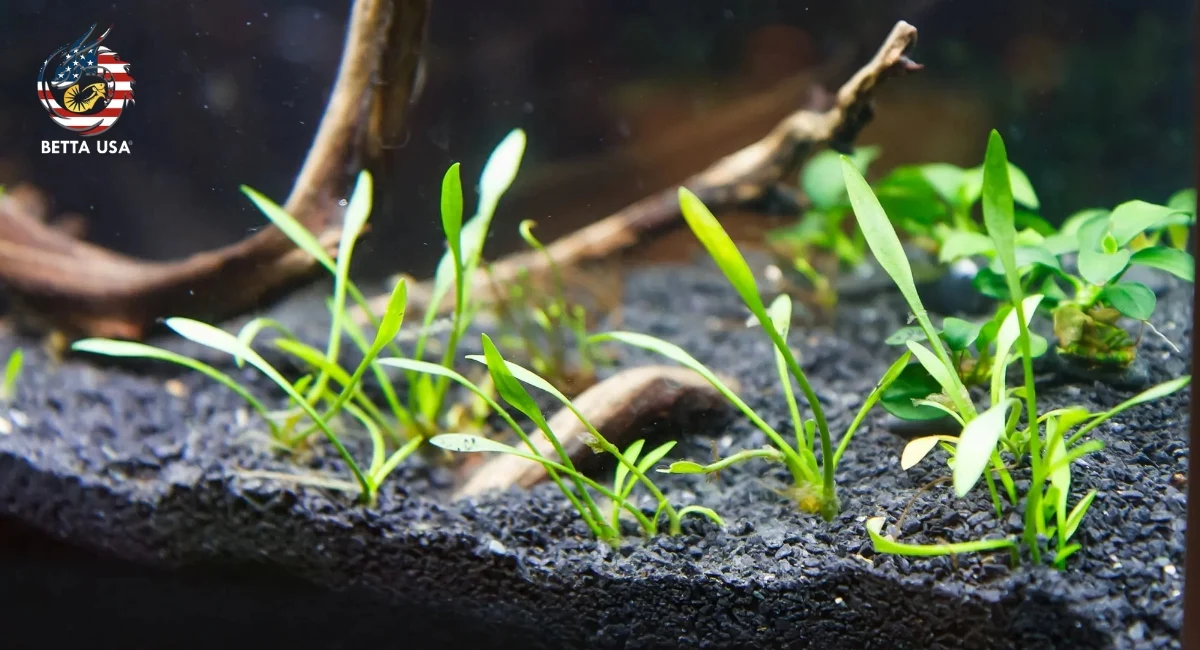
Aquasoil, often called active substrate, tops the list for planted shrimp tanks. Brands like ADA Aqua Soil, Fluval Stratum, and Tropica Aquarium Soil pack volcanic minerals, humus, and trace elements that feed plant roots for months.
These substrates lower pH naturally to around 6.0-7.0, which suits most shrimp species like Neocaridina and Caridina. The fine granules, usually 1-3mm, create a soft bed where shrimp feel secure. Plants like Cryptocoryne, Anubias, and stem species root deeply and grow vigorously without extra liquid fertilizers.
One downside is initial nutrient leaching, which can spike ammonia. To counter this, cap aquasoil with a thin layer of inert gravel or sand. This setup slows nutrient release while keeping the base active for roots. Expect to replace aquasoil every 1-2 years as it compacts and loses potency.
For beginners, Fluval Stratum offers great value. It buffers water beautifully for cherry shrimp and supports heavy feeders like Vallisneria without algae outbreaks.
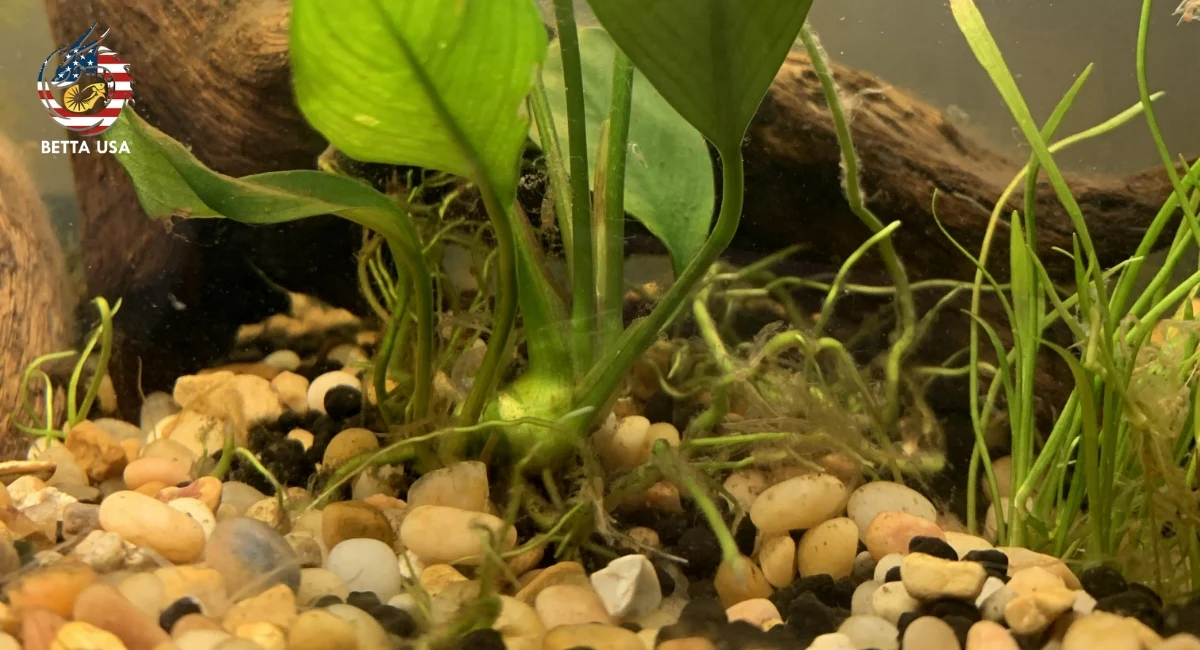
Inert substrates: Safe and stable for shrimp
If your plants are low-light or slow-growing, inert substrates like fine gravel or specialized sands work well. They do not alter water parameters, making them foolproof for shrimp sensitive to pH swings.
CaribSea Eco-Complete and Seachem Flourite are baked clays that stay neutral while providing some mineral content. Their porous structure hosts beneficial bacteria, reducing nitrates that stress shrimp. Fine gravel (1-2mm) lets shrimp sift through for food, and plants like Java fern or moss attach easily without deep roots.
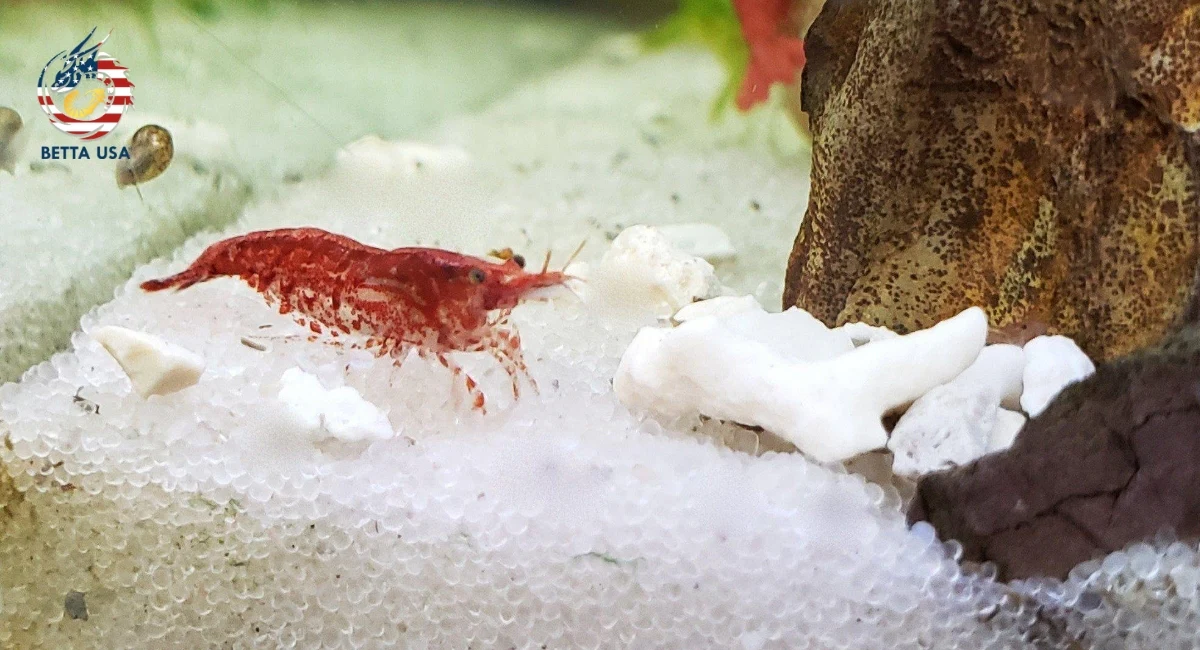
Pool filter sand or black blasting sand appeals to those wanting a sleek look. These are completely inert, affordable, and create biofilm fast. However, pure sand compacts under plant weight, so mix in 20% gravel for aeration. Shrimp love digging in sand layers, mimicking their natural riverbed habitats.
Inert options shine in shrimp-only tanks later upgraded with easy plants. They last indefinitely with occasional stirring to prevent dead spots.
Nutrient-rich sands and dirted methods
For budget-conscious setups, dirted tanks use organic potting soil capped with sand or gravel. Layer 1-2 inches of organic soil, then 2 inches of cap. This mimics nature, releasing nitrogen and iron for explosive plant growth.
Amazon substrates like Unipac Premium Sand or Snow White Sand serve as excellent caps. They stay bright, support biofilm, and do not cloud water. Shrimp thrive here because the cap isolates them from soil toxins after the initial cycling period.
Dirt methods demand patience: cycle the tank for 4-6 weeks before adding livestock. Plants like swords and Hygrophila explode in growth, shading algae that could harm shrimp. This approach ranks high among the best aquarium substrate for plants & shrimp when cost matters most.
Layering techniques for optimal results
No single substrate fits every need perfectly, so layering combines strengths. Start with a 1-inch base of aquasoil or dirt for nutrients, add a middle layer of coarser material (2-4mm gravel) for structure, and finish with 0.5-inch fine sand or powder for aesthetics and shrimp comfort.
This multi-layer system prevents compaction, ensures root access to minerals, and creates varied textures. Plants root into the nutrient layer while shrimp forage on the surface. Use root tabs sparingly in the top layer to boost heavy feeders without overdosing the water column.
When setting up, rinse inert layers thoroughly but pre-wash aquasoil minimally to retain nutrients. Slope the substrate deeper at the back for a natural look, and plant immediately to stabilize it.
Shrimp-safe considerations in substrate choice
Shrimp prioritize safety over flash. Avoid rainbow or painted gravels that leach toxins. Skip sharp aragonite or crushed coral, which cut soft shrimp bodies during molts. Test for heavy metals if using wild-harvested sands.
Porosity matters too. Substrates with high surface area, like lava rock crumbles or Seachem Matrix, foster denitrifying bacteria that keep ammonia at zero. Shrimp graze biofilm on these surfaces, gaining essential proteins.
pH stability is critical. Active soils gently acidify, ideal for Caridina crystal red shrimp, while inert sands suit alkaline-tolerant Neocaridina. Always match substrate to your shrimp species' needs.
Plant compatibility with shrimp substrates
Not all plants pair equally with shrimp-friendly substrates. Easy, rootless options like Anubias, Bucephalandra, and floating plants like frogbit thrive anywhere. They absorb nutrients from the water column, leaving substrate minerals for biofilm.
Rooted plants demand more. Amazon swords and Crypts love aquasoil's richness but may overwhelm inert gravel without supplements. Stem plants like Rotala and Ludwigia root well in layered setups, providing shade and perches for shrimp.
Low-tech plants forgive substrate mistakes. Java moss carpets create shrimp nurseries, while Marimo balls roll gently, stirring detritus without harm.
=> See more: Pregnant Guppy Fish - Complete Care Guide for Successful Breeding
Maintenance tips for long-lasting substrate
A great substrate fails without upkeep. Vacuum lightly during water changes to remove debris without disturbing roots. Stir compacted areas monthly with a turkey baster to refresh oxygen flow.
Add Indian almond leaves or alder cones to boost biofilm without fertilizers. Monitor parameters weekly: aim for 0 ammonia, <20ppm nitrates, and pH matching your livestock.
Repot heavy plants annually to aerate soil. For aquasoil, top-dress with fresh layers yearly to maintain fertility.
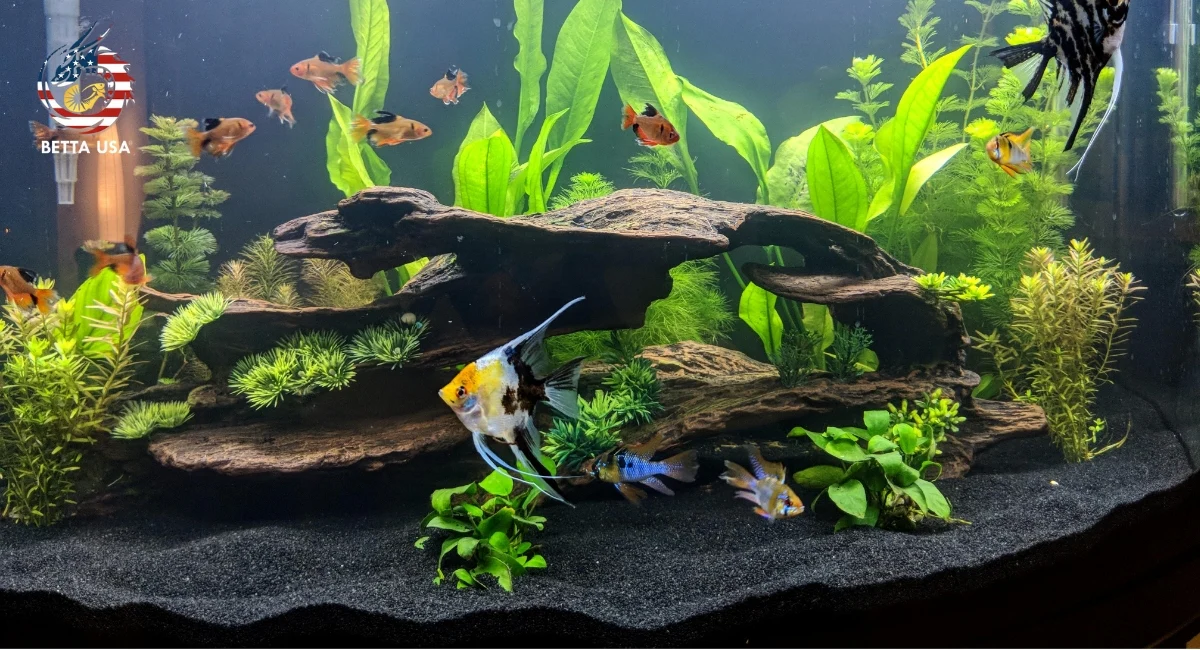
Choosing your best aquarium substrate for plants & shrimp
The ultimate choice depends on your tank size, experience, and livestock. Aquasoil leads for lush planted displays with Caridina shrimp. Inert sands excel for simplicity and Neocaridina colonies. Layered or dirted setups offer versatility on a budget.