Does Fractional RF Microneedling Stimulate Collagen?
Yes, Fractional RF Microneedling can stimulate collagen production by combining controlled microneedling with radiofrequency (RF) energy delivered into targeted layers of the skin. For readers exploring Fractional RF Microneedling in Dubai, understanding how this technology affects collagen can help explain its role in skin texture and firmness. Dynamic Clinic offers this aesthetic treatment as part of its skin-focused procedures, while collagen stimulation remains one of the main biological processes associated with fractional RF microneedling.
How Does Fractional RF Microneedling Affect Collagen?
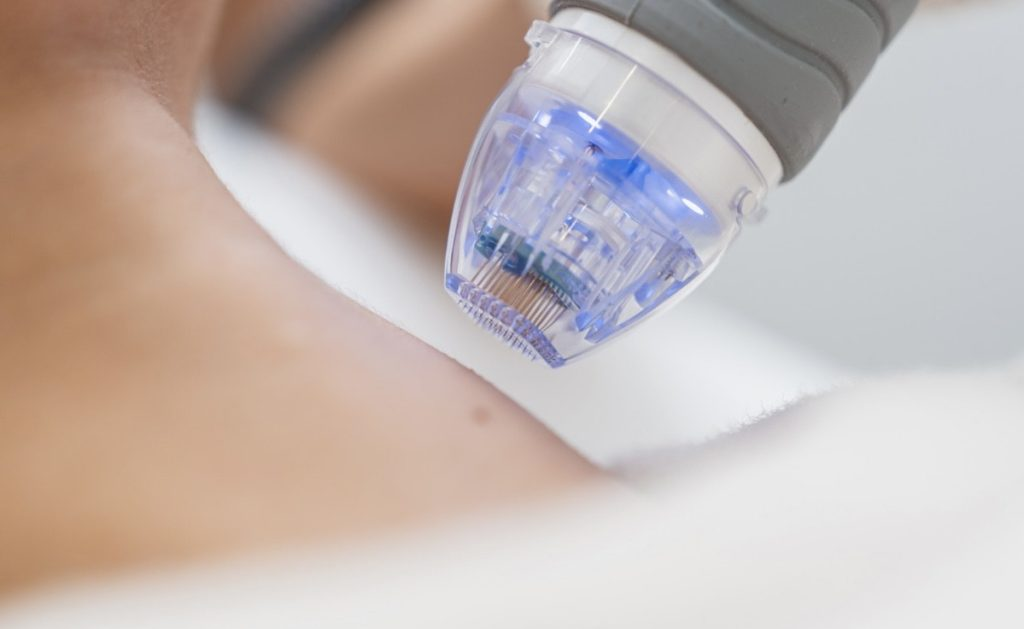
Fractional RF microneedling works by creating controlled micro-injuries in selected areas of the skin while radiofrequency energy produces heat within deeper tissue layers. These controlled signals activate the skin’s natural repair response.
Collagen is a structural protein that helps maintain skin strength, elasticity, and firmness. When the skin detects controlled injury and thermal stimulation, fibroblasts can become more active. These cells are involved in producing collagen and other components of the extracellular matrix.
The treatment therefore targets both the surface and deeper layers of the skin rather than relying only on superficial stimulation.
Why Is Radiofrequency Important for Collagen Stimulation?
Traditional microneedling primarily uses mechanical micro-injuries to trigger a wound-healing response. Fractional RF microneedling adds radiofrequency energy to this process.
The RF component delivers thermal energy into specific tissue depths. This controlled heating can influence collagen remodeling and encourage fibroblast activity while the microneedles create precise channels in the skin.
The combination may support several processes:
Controlled stimulation of fibroblast activity
Collagen formation and remodeling
Improvement in the organization of dermal tissue
Support for skin firmness
Refinement of uneven skin texture
The depth and intensity of energy delivery depend on the treatment device, skin characteristics, and clinical settings.
Does It Create New Collagen or Remodel Existing Collagen?
Fractional RF microneedling is associated with both collagen production and collagen remodeling. The skin does not simply replace damaged collagen with new collagen immediately. Instead, the healing process involves gradual changes in the structure and organization of dermal tissue.
Existing collagen can undergo remodeling as the skin responds to controlled thermal and mechanical stimulation. At the same time, fibroblast activity may contribute to the formation of new collagen.
This distinction is important because changes in collagen architecture are part of the longer biological response rather than an instant surface-level effect.
Which Skin Concerns Are Linked to Collagen Loss?
Collagen production naturally changes with age, while environmental factors can also affect the skin's structural proteins. Reduced collagen support may contribute to several visible changes, including:
Fine lines and wrinkles
Reduced skin firmness
Uneven skin texture
Enlarged-looking pores
Certain types of acne-scar irregularities
Loss of overall skin smoothness
Fractional RF microneedling may be considered when collagen remodeling is relevant to the appearance of these concerns, although suitability depends on the individual's skin condition and treatment goals.
What Determines Collagen Stimulation?
The collagen response is not identical for everyone. Several factors can influence how the skin responds to fractional RF microneedling.
Treatment Depth
Microneedle depth determines where the mechanical stimulation and RF energy are delivered. Different skin concerns may require different treatment depths.
RF Energy Settings
The intensity and duration of RF delivery affect the amount of controlled thermal stimulation reaching the tissue. These parameters need to be selected according to skin characteristics and the intended treatment area.
Skin Condition
Age, skin quality, existing collagen levels, pigmentation concerns, scarring, and overall tissue characteristics can influence treatment planning.
Individual Healing Response
Collagen remodeling depends on the body's natural wound-healing processes. Biological responses vary between individuals, so treatment results should not be assumed to be identical.
Is Collagen Stimulation Immediate?
Collagen remodeling is a biological process that develops progressively rather than appearing immediately after treatment. The initial response involves controlled inflammation and tissue repair, followed by changes in collagen activity and dermal organization.
For this reason, the appearance of skin texture and firmness can change gradually as the skin undergoes its remodeling process. The exact response varies according to treatment parameters and individual skin biology.
Can Fractional RF Microneedling Support Skin Firmness?
Because collagen contributes to the structural framework of the dermis, stimulating collagen-related activity may support the appearance of firmer and more resilient skin. RF microneedling is therefore commonly discussed in relation to skin tightening, texture refinement, and collagen remodeling.
However, it is important to distinguish collagen stimulation from surgical lifting. Fractional RF microneedling works through controlled tissue stimulation and does not physically reposition skin in the same way as a surgical procedure.
Frequently Asked Questions
Does Fractional RF Microneedling Really Stimulate Collagen?
Yes. The combination of controlled microneedling and radiofrequency energy is designed to trigger a wound-healing response and thermal stimulation that can encourage fibroblast activity, collagen production, and collagen remodeling.
How Does RF Microneedling Stimulate Collagen?
Microneedles create controlled micro-injuries while RF energy delivers heat into targeted skin layers. These signals can activate the body's repair mechanisms and influence fibroblasts involved in collagen formation.
Is RF Microneedling Better Than Regular Microneedling for Collagen?
They use different approaches. Regular microneedling relies primarily on mechanical stimulation, whereas fractional RF microneedling combines mechanical micro-injury with controlled radiofrequency heating. Which approach is appropriate depends on the individual's skin and treatment objectives.
Does Fractional RF Microneedling Help With Skin Texture?
Collagen remodeling can contribute to changes in skin texture. Fractional RF microneedling is used for concerns involving uneven texture, fine lines, and certain forms of acne-scar irregularity, subject to professional assessment.
Is Fractional RF Microneedling Suitable for Everyone?
No single aesthetic treatment is suitable for every person or every skin concern. A qualified professional should assess the skin, medical history, treatment area, and specific goals before determining whether fractional RF microneedling is appropriate.
Conclusion
Fractional RF microneedling stimulates the skin through two coordinated mechanisms: controlled microneedling and radiofrequency energy. This combination can activate the skin's repair response, support fibroblast activity, and promote collagen production and remodeling within targeted tissue layers.