Innovations in Road Barrier Technology for Smart Cities smart barrier
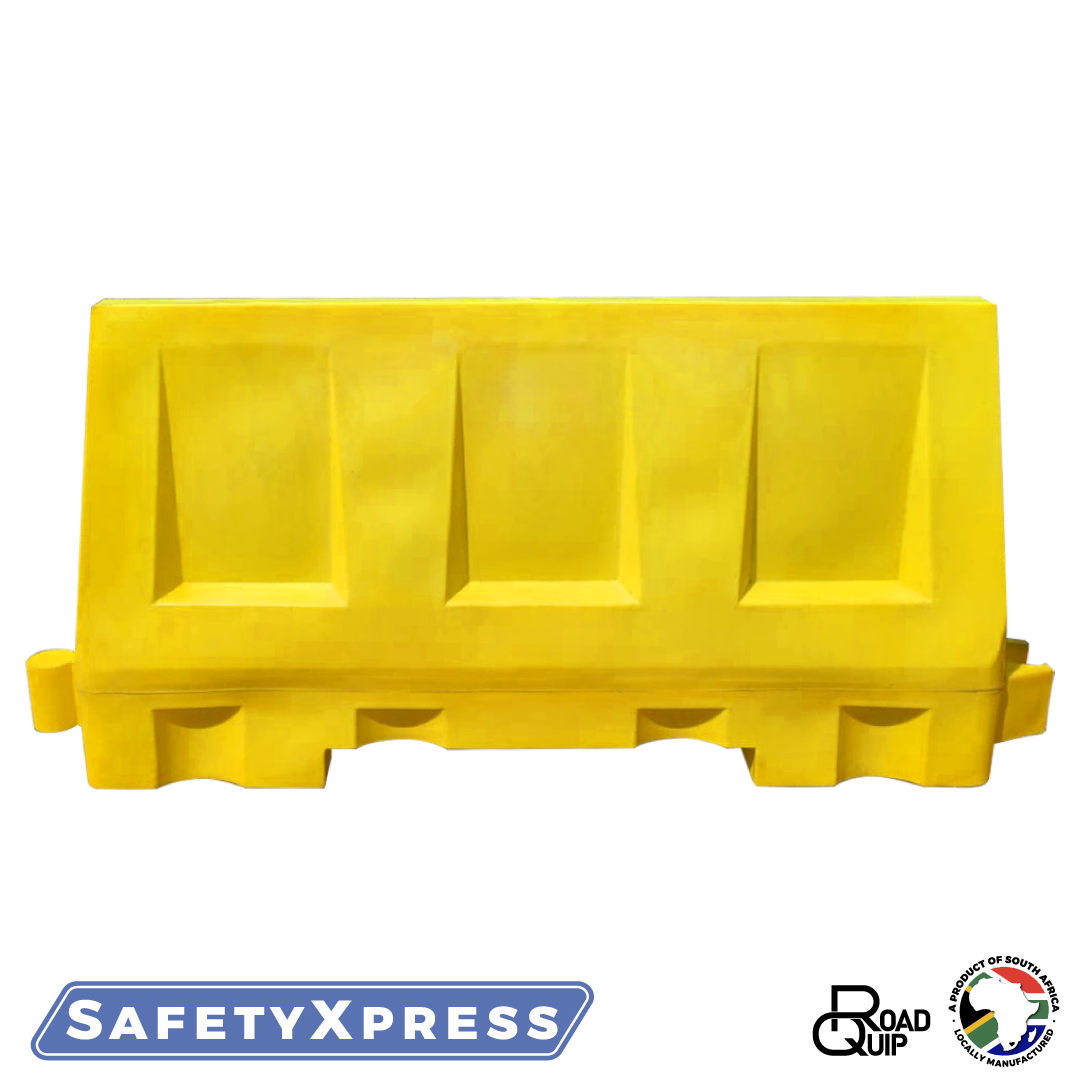
I was standing on the shoulder of a newly opened smart corridor in Durban at 3 a.m. when the first real-world test happened.
A distracted driver clipped a modular barrier segment. Instead of the usual dull thud and radio call for repairs, the barrier itself sent an instant pulse to the city’s traffic operations centre, adjusted its LED warning pattern to slow oncoming traffic, and logged the exact impact force for predictive maintenance.
No crew was dispatched for six hours because the system already knew the damage was cosmetic.
That single night convinced me: tomorrow’s road barriers are no longer passive walls — they are active, connected nodes in a living urban safety network.
What “Smart” Actually Means for Road Barriers Today
A smart barrier isn’t just crash-rated steel or concrete with a sensor slapped on. It is an integrated system that senses, communicates, adapts, and learns.
In smart cities, these barriers become part of the larger digital fabric — feeding real-time data into traffic management platforms, vehicle-to-infrastructure (V2I) networks, and even emergency response systems. They turn static protection into dynamic risk management.
Five Game-Changing Innovations Reshaping Barriers
- Embedded IoT Sensors and Predictive Analytics
Every segment now carries micro-sensors that monitor impact force, vibration, tilt, temperature, and corrosion in real time. When a hit occurs, the barrier doesn’t just survive — it reports severity, predicts remaining service life, and flags maintenance before a second incident can happen. Cities like Cape Town are piloting these on high-risk arterials, cutting unplanned repairs by more than half.
- Adaptive Stiffness and Shape-Memory Systems
Using advanced composites and electro-rheological fluids, some barriers can change stiffness on command. In normal traffic they stay flexible to absorb minor glances; during peak hours or when sensors detect congestion, they stiffen for maximum containment. Early prototypes even use shape-memory alloys that “heal” small deformations overnight when powered by integrated solar strips.
- V2X-Enabled Communication Barriers
These barriers talk directly to connected vehicles. When an errant car approaches too fast, the barrier transmits a geofenced alert to the driver’s dashboard or autonomous system: “Barrier ahead — slow to 60 km/h.” In mixed traffic environments, the barrier also broadcasts hazard data to nearby vehicles that haven’t yet reached the zone, creating a ripple effect of awareness.
- Energy-Harvesting and Multi-Function Designs
Next-generation barriers generate their own power from vehicle-induced vibration or integrated kinetic panels. Some double as urban greening structures with living walls or noise-absorbing panels. Others incorporate wireless EV charging pads or 5G small-cell antennas, turning safety infrastructure into revenue-generating or amenity-providing assets for the city.
- 3D-Printed Modular Systems with Custom Geometry
Using large-format 3D printing, engineers can now create site-specific barrier profiles optimised by AI for exact deflection needs, soil conditions, and aesthetic requirements. These units snap together like Lego on steroids, allowing cities to reconfigure entire corridors overnight instead of weeks.
How Smart Barriers Deliver Measurable Urban Benefits
Beyond crash prevention, these innovations solve broader city problems:
- Real-time data improves traffic flow modelling and reduces congestion waves.
- Predictive maintenance slashes lifecycle costs by 30–45%.
- Connected systems enable faster emergency response — ambulances receive exact location and severity data before they roll.
- Sustainable materials and energy harvesting align with smart-city carbon-neutral targets.
Case Study: Johannesburg’s Corridor 2025 Pilot
Challenge
A 6 km section of the M1 carried extreme peak-hour volumes and had a history of barrier-related secondary crashes. Traditional steel guardrail repairs were disrupting traffic every few weeks.
Action
The city installed a full suite of IoT-enabled modular barriers with V2X transmitters and adaptive stiffness modules. The system linked directly to the Johannesburg Traffic Management Centre and Gauteng’s emerging connected-vehicle platform.
Quantifiable Result
In the first nine months, secondary incidents dropped 71%. Maintenance interventions fell from 14 to 3. Average travel time through the corridor improved by 11% because the barriers actively smoothed traffic by broadcasting early warnings. The data collected also helped planners redesign two problematic merge points before the next budget cycle.
The Hidden Challenge Most Cities Overlook
The biggest barrier to adoption isn’t cost or technology — its integration. SafetyXpress noted that a smart barrier is only as good as the city’s digital backbone. If the traffic management platform can’t receive or act on the data, you’ve simply installed expensive sensors in steel. Successful projects start with a cross-departmental data strategy, not a product catalogue.
How to Specify Smart Barriers for Your Next Smart-City Project
- Demand open-protocol data output (not proprietary black boxes).
- Require proof of integration with your existing or planned V2I/traffic systems.
- Insist on hybrid power (solar + grid backup) and cyber-security certification.
- Calculate total value: crash reduction + maintenance savings + data insights + multi-use potential.
The era of “install and forget” barriers is ending. In smart cities, the best road barriers don’t just protect — they participate. They sense, adapt, communicate, and evolve with the urban environment around them. For forward-thinking planners and engineers, choosing these innovations today means building safety systems that will still be delivering value — and data — long after the ribbon is cut.
People Also Ask
Are smart barriers significantly more expensive than traditional ones?
Upfront costs are 25–40% higher, but most cities recover the difference within 18–24 months through reduced maintenance, fewer incidents, and lower insurance or liability exposure.
Do smart barriers work with non-connected vehicles?
Yes. The physical containment and visual/audible warnings still function perfectly for older vehicles. The connected features simply add an extra layer for the growing percentage of equipped cars and trucks.
Can these technologies be retrofitted to existing barrier systems?
Many can. Sensor kits and V2X modules are now available as bolt-on upgrades for approved steel and concrete systems, allowing cities to modernise gradually rather than replace everything at once.
How do smart barriers handle cyber-security risks?
Leading manufacturers now include encrypted communication, regular firmware updates, and isolated networks. Always require independent penetration testing as part of the tender process.
The next wave of road barrier technology is turning passive protection into intelligent urban infrastructure. For smart cities serious about Vision Zero and efficient mobility, these innovations aren’t optional extras — they are the new baseline for safer, smarter streets.