Fast Installation Flooring: How Bamboo Saves Time and Labor
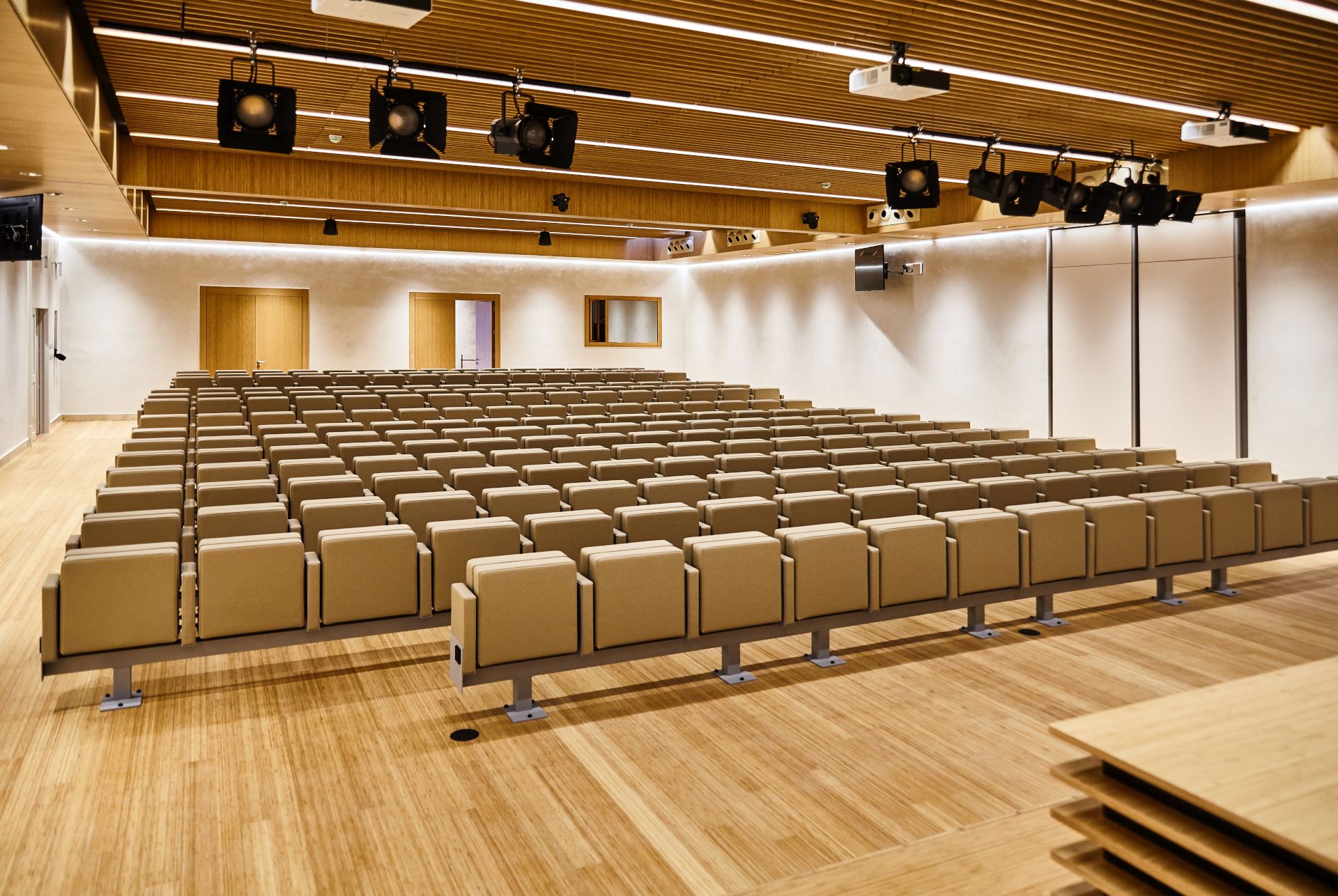
For builders, designers, and homeowners working with tight schedules, flooring often determines how smoothly a project finishes. Material choice directly affects installation speed, labor costs, and even how quickly a space can be put back into use. Bamboo flooring has gained attention not only for its strength and clean appearance, but also for how efficiently it installs across different jobsite conditions. Speaking from the experience of working inside a bamboo flooring factory, I’ve seen how production processes, structural design, and finishing technologies come together to create a material that consistently saves time for installers.
Bamboo might look similar to hardwood once it’s laid down, but the advantages behind the scenes—during manufacturing and installation—set it apart. Below is a detailed look at why bamboo flooring installs faster and how its construction supports smoother, more predictable workflows on jobsites.
Engineered for Consistency
One reason bamboo flooring installs quickly is its manufacturing precision. From the start, raw bamboo is cut, boiled, dried, and pressed under controlled conditions. Each step reduces natural variation. This matters during installation because consistent milling means:
Boards fit together with minimal adjustment.
Fewer boards need trimming.
Installers waste less time sorting for straightness and uniformity.
Traditional hardwood can vary from plank to plank depending on species and moisture history, which requires extra time correcting fits or selecting compatible pieces. In contrast, modern bamboo flooring lines use automated calibration equipment to ensure every tongue, groove, and locking profile matches the next with tight tolerances. This precision not only improves speed but leads to cleaner, more even surfaces that require less touch-up at the end.
Click-Lock Systems Reduce Installation Labor
Floating installation with click-lock planks is one of the biggest time savers. Many bamboo products use advanced locking mechanisms originally developed for laminate flooring. These systems allow planks to snap together without adhesives or nails.
For installers, this means:
Faster progress per square meter
Less equipment required
Cleaner jobsites with less mess
Quicker training for new crew members
Traditional hardwood installations often involve nailing equipment, constant measuring, and adhesive cleanup. Bamboo click-lock boards simply angle, press, and lock into place. For large commercial spaces—offices, retail units, hospitality interiors—this can reduce installation time by a large margin, especially when working under tight turnover schedules.
Stable Structure Minimizes Acclimation Time
Changes in humidity and temperature often slow down flooring installations. Many hardwoods face higher risks of expansion and contraction, forcing longer acclimation times before work can begin. Bamboo’s natural dimensional stability, combined with engineered construction options, helps shorten this phase.
Engineered bamboo planks typically include:
A stable cross‑layered core
A bamboo wear layer on top
Balanced backing for reduced cupping or warping
Because of this structure, many engineered bamboo floors require shorter acclimation periods. Installers can start sooner, especially in climate‑controlled interiors. Faster start times carry over into faster completion schedules.
Longer Planks Speed Up Coverage
Manufacturers can press bamboo into longer, wider planks more efficiently than many hardwood species. Larger planks cover more area per piece, reducing the number of rows installers need to assemble. With fewer seams and fewer boards, the time savings add up quickly.
Bamboo’s fiber density and uniform structure allow it to maintain strength even in wide‑format profiles. Installers benefit not only from fewer steps, but also from easier handling and alignment of the layout.
Prefinished With Tough, Site‑Ready Coatings
Another advantage that speeds up work is prefinishing. In modern bamboo flooring production lines, UV‑cured coatings are applied evenly under factory‑controlled conditions. These finishes are hard, smooth, and ready for use right after installation. There’s no need for sanding, staining, or sealing on site.
This provides several practical benefits:
No drying time
No fumes or dust from site finishing
Immediate usability once installed
For homeowners living through renovations or commercial spaces trying to minimize downtime, skipping the finishing stage saves hours or even days.
Lightweight Material Improves Handling
Despite its density, bamboo flooring often weighs less per plank than the equivalent hardwood board. Installers notice the difference when carrying boxes up stairs, moving stacks across rooms, and positioning boards for layout. Lighter materials reduce fatigue, which helps crews maintain a steady pace throughout the project.
For large renovations or multi‑story buildings, the reduced weight is a meaningful advantage that simplifies material transport and staging.
Cleaner Cutting and Fewer Tool Problems
Bamboo’s uniform fiber structure leads to predictable cutting performance. With good‑quality blades, cuts are clean and consistent. Installers spend less time dealing with splintering or blade clogging, two issues that slow hardwood projects. Less variation during cutting means fewer mistakes, fewer wasted planks, and faster forward movement.
Many installers also appreciate that bamboo doesn’t produce the resin buildup that some softwoods cause. This helps maintain a smoother workflow and reduces the time spent cleaning, adjusting, or replacing tools.
Flexible Installation Methods
Different jobsite conditions require different solutions. Bamboo flooring adapts well to multiple installation methods:
Floating
Glue‑down
Nail‑down (for certain solid or engineered types)
The ability to choose the best method for the environment speeds up decision‑making and allows installers to avoid forced compromises. For example, floating installation over concrete can be completed much faster than preparing the slab for a nail‑down hardwood floor.
This flexibility also benefits mixed‑space designs, such as apartments or offices where different rooms have different subfloor conditions. Installers can keep materials consistent while adjusting installation methods per section.
Low Maintenance After Installation
Although maintenance comes after installation, it’s worth mentioning because it reflects another time‑saving advantage that project managers consider. Bamboo flooring generally requires routine sweeping and occasional mopping. Protective finishes prevent scratches, and refinishing—when needed—is simpler than many hardwood options.
When a floor continues to perform well with minimal upkeep, property owners appreciate the long‑term value, and installers face fewer callbacks. Fewer service calls save time not only for professionals but also for building managers and homeowners.
Sustainable Material With Reliable Supply
From the factory’s perspective, one factor that indirectly supports fast installation is bamboo’s rapid growth cycle. A steady supply of quality raw material allows manufacturers to produce consistent batches without delays or shortages. Builders benefit because they can count on their flooring arriving on schedule. Meeting project timelines starts long before installers step onto the jobsite. Reliable supply chains reduce downtime and allow renovation or construction schedules to run without interruption.
Smooth Integration With Modern Interior Styles
Although not directly tied to labor time, aesthetic versatility affects how efficiently designers and installers can work. Bamboo flooring comes in a range of colors, grain patterns, and finishes. This makes it easy to match with cabinets, wall panels, and decorative elements. When materials coordinate smoothly, layout planning is faster, and installers spend less time making adjustments to accommodate conflicting styles or tones.
A Practical Choice for Fast‑Moving Projects
The combination of precise milling, strong locking systems, reduced acclimation time, factory-applied finishes, and reliable supply makes bamboo flooring ideal for projects where efficiency matters. Whether it's a residential remodel or a commercial build‑out, bamboo helps streamline the workflow from delivery to final cleaning.
Working inside a bamboo flooring factory gives a clear picture of how each production step contributes to easier installation. The engineering behind every plank is designed not only for appearance and durability but also for speed and practicality in real‑world use. For builders looking to save time and reduce labor intensity without compromising quality, bamboo flooring offers a balanced solution that performs reliably under tight schedules.