Why Bamboo Is the Most Affordable High End Flooring Material
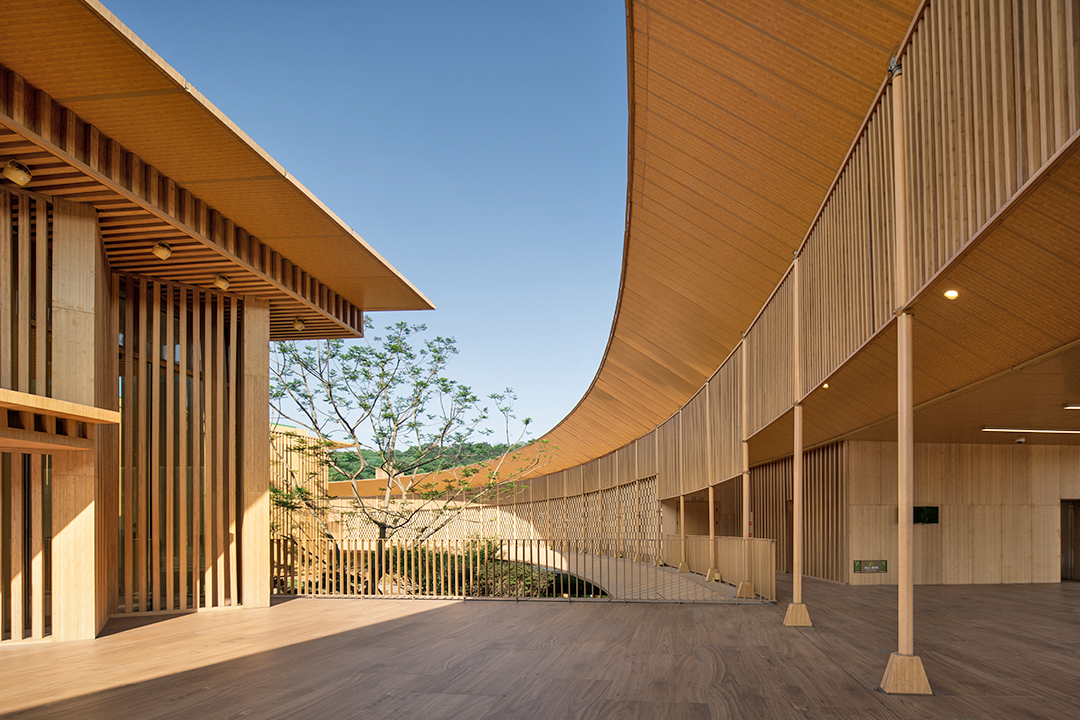
Flooring plays a major role in the atmosphere, comfort, and value of a space. Homeowners and designers often search for materials that combine beauty, performance, and long-term value, yet these qualities can come with a high price tag. Bamboo flooring stands out as a compelling option, offering the sleek appearance of upscale hardwood at a more attainable cost. Its balance of affordability, durability, and visual appeal has made it one of the most interesting materials in modern flooring design.
The growing interest in bamboo is not simply a trend; it is rooted in the way this material is cultivated, processed, and engineered. Its natural qualities position it alongside high-end hardwoods, yet its rapid growth and efficient production cycles help keep pricing accessible. Understanding why bamboo offers both luxury and affordability requires examining how it compares with other flooring materials and the qualities that make it an impressive performer in real-world conditions.
This blog explores the factors that make bamboo a cost-effective high-end flooring choice and why its combination of characteristics positions it as a smart long-term investment.
Fast Growth Supports Lower Material Costs
One of the main reasons bamboo flooring remains cost-effective is the speed at which bamboo grows. While hardwood trees often require decades to mature, bamboo reaches full harvestable strength in just a few years. Its growth rate reduces the need for extensive land use, long-term cultivation, or heavy management practices.
This rapid maturity means manufacturers do not face the same long production cycles associated with hardwood. Shorter cycles reduce overall cost, which makes bamboo more accessible to consumers without compromising its quality.
The ability to harvest bamboo repeatedly from the same root system also keeps supply steady. Consistent supply minimizes large market fluctuations in material price, contributing to its affordability compared with slower-growing hardwood alternatives.
Efficient Processing and Production
Alongside fast growth, bamboo’s structural uniformity makes it easier to process. Traditional hardwood requires sawing, seasoning, and careful grading to avoid knots and inconsistencies. Bamboo, with its naturally consistent cylindrical form and predictable fiber structure, undergoes more streamlined processing steps.
Strips are cut, dried, and laminated into boards, which often results in higher yield from each stalk. Less waste means more usable material from fewer resources, helping further reduce production costs.
Strand-woven bamboo, the densest and strongest form, uses shredded fibers that are tightly compressed. These fibers make use of nearly all available material, allowing manufacturers to create extremely durable boards without the waste typically associated with wood milling.
This efficiency supports affordability, while the resulting flooring still achieves premium performance.
Comparable Hardness to Premium Hardwoods
A flooring material can be affordable, but if it lacks durability, it fails to deliver long-term value. One of bamboo’s strongest qualities is its impressive hardness. Strand-woven bamboo, in particular, ranks above many high-end hardwoods on the Janka hardness scale.
This hardness provides several advantages:
Strong resistance to denting
Stability under daily foot traffic
Longer wear life
Reduced maintenance or refinishing needs
Buyers who want the durability of expensive hardwoods like Brazilian cherry or hickory often find strand-woven bamboo to be a practical alternative at a more manageable cost.
Even traditional horizontal and vertical bamboo floors offer durability comparable to oak and maple, making them suitable for busy households and commercial spaces.
A High-End Look Without the High-End Price
Much of the appeal of bamboo flooring stems from its clean, contemporary appearance. The natural grain pattern lends a smooth, elegant look that pairs well with a wide range of interior styles. From minimalist spaces to warm, traditional designs, bamboo complements both neutral palettes and bold aesthetics.
Available styles include:
Horizontal grain: Broad, natural pattern with subtle bamboo nodes
Vertical grain: Fine, linear appearance with uniform texture
Strand-woven: Dense, intricate pattern resembling high-end hardwood
Color options range from pale blondes to deep caramel tones and charcoal shades. Some manufacturers produce wire-brushed, hand-scraped, or matte-finished designs for added character. These options allow bamboo flooring to achieve the luxurious feel of custom hardwood at a fraction of the price.
Stability and Performance in Varied Environments
Affordability alone does not make bamboo a high-end flooring material; the real value lies in how well it performs over time. High-end floors must withstand changes in humidity, temperature variation, and daily use.
Properly manufactured bamboo flooring offers:
Good dimensional stability
Resistance to warping when maintained in controlled environments
Consistent performance in kitchens, hallways, and living areas
Compatibility with underfloor heating depending on product specifications
Strand-woven bamboo, in particular, shows excellent stability thanks to its compressed fiber structure. This makes it suitable for regions with moderate humidity shifts, where traditional hardwood might be more susceptible to expansion and contraction.
Sustainable Appeal Adds Long-Term Value
Many homeowners seek flooring materials that balance aesthetics with responsible sourcing. Bamboo’s sustainability characteristics provide an added layer of value that extends beyond cost:
Rapid renewability
Lower need for pesticides or chemical treatments during growth
Regeneration without replanting
Efficient land use
These traits give bamboo an environmental advantage that enhances its market appeal. Homes with sustainably sourced materials often attract interest from buyers seeking eco-conscious features, potentially adding resale value.
While sustainability may not directly reduce upfront material costs, it strengthens bamboo’s position as a premium yet affordable choice within the flooring industry.
Installation Is Often More Straightforward
Installation costs contribute significantly to the overall expense of a flooring project. Bamboo’s uniform density and engineered makeup often make it easier for installers to work with. Depending on the type of bamboo flooring, installation options may include:
Floating installation with click-lock systems
Glue-down application
Nail-down techniques for solid or strand-woven planks
Floating floors, which require no adhesives or nails, are especially popular because they reduce labor time and simplify the installation process. This capability lowers total project expenses compared with hardwood flooring that may require more intensive preparation or specialized skills.
Low Maintenance With High-End Results
A flooring material may be affordable initially, but maintenance costs can add up over time. Bamboo offers a practical solution for homeowners who want a low-maintenance floor that keeps its appearance for years.
Routine care typically involves:
Sweeping or vacuuming
Damp mopping with approved cleaners
Using protective pads under furniture
Avoiding excessive moisture
Quality bamboo flooring retains its finish well under normal conditions. Some varieties can also be refinished, depending on thickness and construction, providing refreshed beauty without full replacement.
This low-maintenance requirement contributes to long-term affordability, complementing the luxury appearance of the material.
Versatility for Design and Architecture
Bamboo flooring fits seamlessly into a variety of architectural styles. Its versatility contributes to its reputation as a high-end material capable of elevating both residential and commercial interiors.
Users appreciate its ability to suit:
Modern apartments
Scandinavian-inspired homes
Warm traditional layouts
Contemporary commercial interiors
Retail shops and studios
The combination of color options, grain styles, and finish types allows designers to achieve custom results while keeping budgets under control.
For homeowners, this adaptability makes bamboo an easy fit during remodels or new builds, providing upscale visual results without extensive architectural adjustments.
Strong Value for Long-Term Projects
Projects that require durability, longevity, and consistent aesthetics benefit significantly from bamboo's characteristics. Whether used in a busy family home or a boutique commercial space, bamboo flooring provides long-term value in several ways:
Long lifespan with proper care
Resistance to wear in heavy-traffic areas
A luxury appearance that remains appealing
Competitive pricing compared with premium hardwoods
These features place bamboo in a unique position—affordable yet refined, practical yet design-forward.
A Flooring Material That Marries Function and Aesthetic
High-end flooring often focuses on visual impact, while affordable flooring focuses on practicality. Bamboo manages to offer both simultaneously. Its warm tones, smooth surface, and consistent grain deliver a sophisticated look, while its strength and cost-effectiveness meet practical needs for budget-conscious projects.
By offering the characteristics of luxury hardwood within a more accessible price range, bamboo creates a bridge between premium design aspirations and realistic budgets.
Whether used in a renovation, a newly built home, or a commercial interior, bamboo flooring brings together style, durability, and affordability with a level of sophistication rarely found in materials within its price bracket.