PTE Speaking Practice Test with Real Questions Online
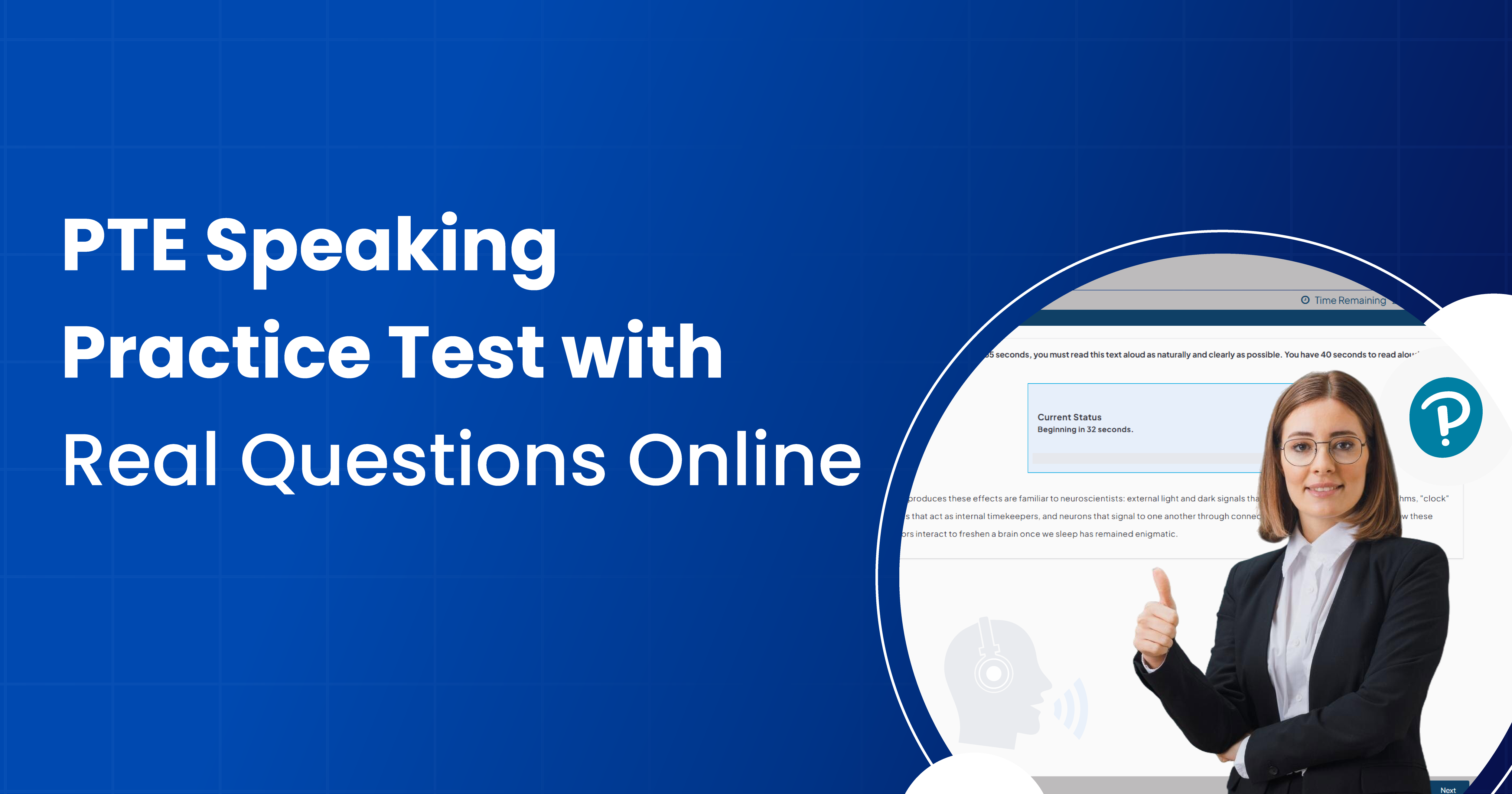
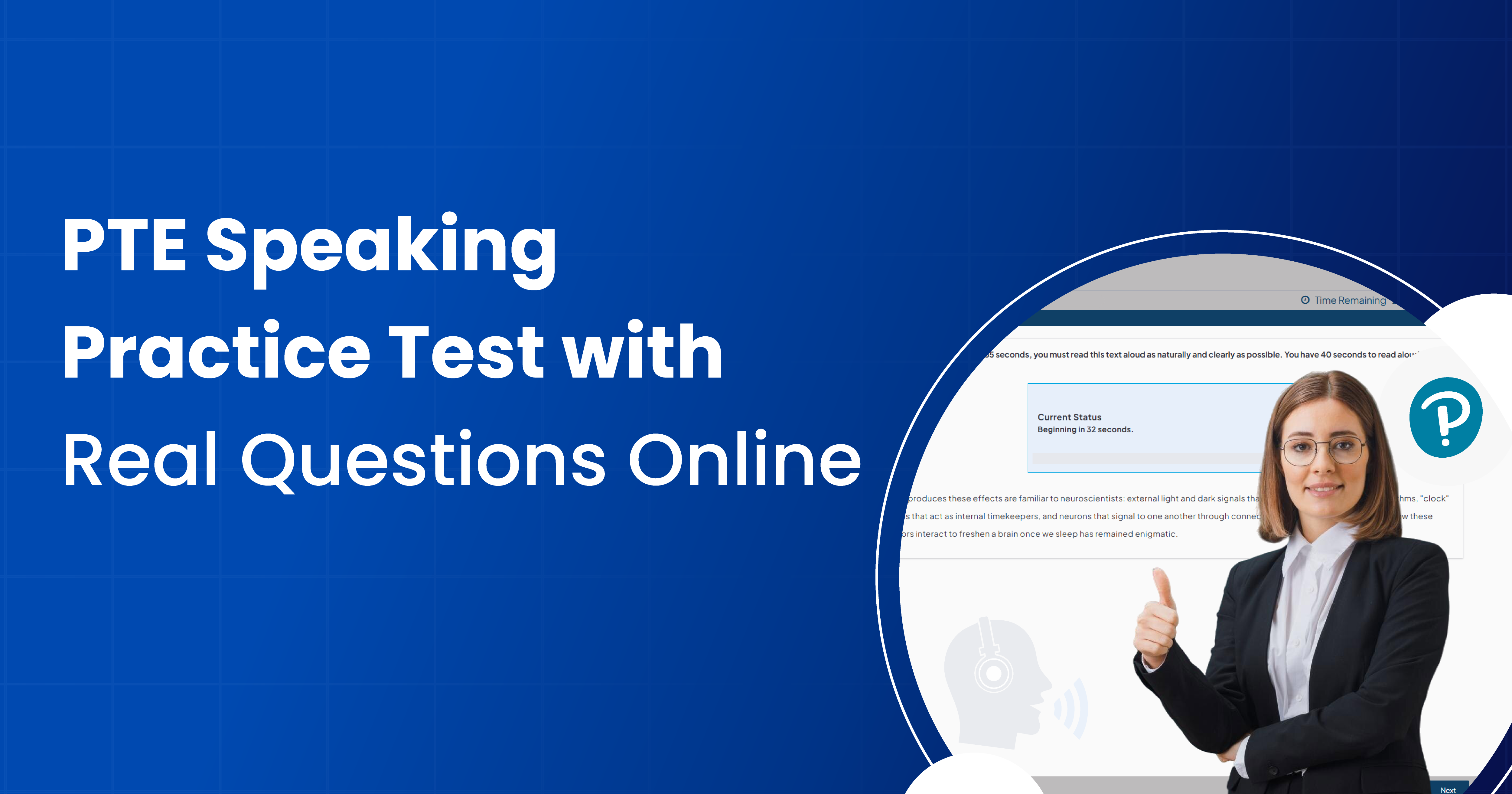
Preparing for the PTE Speaking section can be overwhelming, especially if you’re just starting out. Many students focus on memorizing answers, but true success in PTE Speaking comes from mastering the right techniques and building natural fluency. A well-structured PTE Speaking practice test with real questions online can give you the edge you need, provided you use it wisely.
In this article, we’ll explore everything you need to know to prepare for the PTE Speaking section — including expert tips, common mistakes to avoid, and the best practices to follow during your preparation.
Why PTE Speaking Practice Matters
The speaking section of the PTE exam is more than just about pronunciation. It evaluates:
- Fluency: How smoothly and naturally you speak.
- Pronunciation: How clear and understandable your words are.
- Content Accuracy: Whether your response matches the given prompt.
- Oral Skills: Your ability to think, structure, and deliver answers confidently.
Practicing with real exam-like questions online helps simulate the test environment, reduce anxiety, and improve your timing and confidence.
Understanding the PTE Speaking Section
Before you jump into practice, it’s essential to understand what the section includes. PTE Speaking consists of:
- Read Aloud
- Repeat Sentence
- Describe Image
- Re-tell Lecture
- Answer Short Question
Each of these question types has its own scoring criteria, so a one-size-fits-all approach won’t work.
Tips for Effective PTE Speaking Practice
Here are some tried-and-tested tips to make your preparation more productive:
1. Focus on Fluency First
Many students overthink their grammar and vocabulary during practice, which leads to unnatural pauses and hesitation. Fluency carries significant weight in PTE Speaking scoring. Speak continuously, even if you make a minor error — it’s better to sound natural than to stop and correct yourself.
2. Use a Proper Microphone Setup
If you’re taking a PTE practice test online, invest in a good-quality microphone or headset. Background noise or low volume can affect your score in the real exam. Practice in a quiet environment to get used to hearing your own voice clearly.
3. Learn Templates — But Don’t Depend on Them
Templates are helpful for question types like Describe Image and Re-tell Lecture, as they give you a structure to follow. But using overly generic templates can make your response sound robotic. Personalize them and practice enough so that they sound natural when you speak.
4. Work on Pronunciation Consistency
PTE is scored by AI, so clarity matters. Work on stressing syllables correctly and avoid mumbling. Tools like speech-to-text software can help you check if your words are being recognized accurately.
5. Record and Listen to Yourself
Self-evaluation is one of the most effective ways to improve. Record your responses during a PTE mock test session and play them back. Pay attention to fluency, filler words, and pronunciation issues.
6. Practice Under Real-Time Conditions
Timing is critical in PTE Speaking. If you take too long to start speaking or pause too much, your score can drop. Always practice under strict time limits to simulate the pressure of the actual exam.
Things to Keep in Mind During the Test
Once you’re ready for the exam, here are some important points to remember:
- Stay Calm in a Noisy Room: The test center might have multiple people speaking at the same time. Learn to stay focused on your microphone and block out distractions.
- Speak at a Moderate Pace: Speaking too fast can reduce clarity, while speaking too slowly can harm your fluency score.
- Maintain Consistent Volume: Your microphone should capture your voice clearly — neither too soft nor too loud.
- Be Confident with Accents: You don’t need to have a native accent. Just make sure you speak clearly enough for the AI to understand.
Common Mistakes to Avoid
Even strong candidates make these mistakes during practice and on exam day:
- Long Pauses or Silence – If you stay silent for more than three seconds, the microphone stops recording.
- Overthinking Grammar – Minor grammatical errors are less important than fluency.
- Reading Without Understanding – In Read Aloud tasks, just reading the text mechanically can cost you points. Add natural intonation.
- Not Preparing for Stressful Conditions – Practicing in perfect silence may not prepare you for a noisy test center.
- Using Filler Words Excessively – Avoid saying “umm,” “ahh,” or “you know” too often, as it lowers fluency.
Building a Consistent Practice Routine
To truly improve, create a study schedule that focuses on all question types. Here’s a sample weekly routine you can follow:
- Day 1-2: Focus on Read Aloud & Repeat Sentence — practice with real scripts.
- Day 3-4: Work on Describe Image & Re-tell Lecture — practice summarizing daily news or YouTube videos.
- Day 5: Answer Short Question drills — focus on quick recall and clarity.
- Day 6: Take a full-length practice session under exam conditions.
- Day 7: Review recordings, analyze mistakes, and plan improvements.
This cycle helps you strengthen all areas evenly while identifying your weak spots.
Why Online Practice Is a Game-Changer
Online PTE Speaking practice platforms allow you to experience the test environment from home. They often include:
- AI scoring to give you instant feedback on fluency and pronunciation.
- Real exam-like interface so you know what to expect on test day.
- Analytics and progress tracking to measure improvement over time.
Practicing online ensures you don’t just “study” but actually “simulate” the test.
Final Thoughts
Mastering PTE Speaking is about more than memorizing answers — it’s about building confidence, fluency, and test-day strategies. When you practice with real questions online, stay focused on timing, pronunciation, and natural speech. Avoid overthinking grammar, record your responses regularly, and practice in realistic conditions.
If you’re looking for a reliable platform to practice, Gurully.com offers a complete solution for PTE aspirants. You can take real exam-like PTE practice tests, get AI-generated scores, and access tools to prepare for every section of the exam. It’s the perfect way to get ready for your test with confidence.
- PTE practice test: https://www.gurully.com/pte-practice-test
- PTE mock test: https://www.gurully.com/pte

2개의 댓글

When it comes to any exam and, in principle, any job, you first need to demonstrate that you're a quick learner, knowledgeable, and a problem-solver. I believe that preparing for the GMA test is the best way to develop this. Logical thinking helps you stand out in almost any team, quickly advance your career, and add interesting case studies to your resume.
I’m one of those people who get nervous before any exam. Even if I know everything, I can get so anxious that I forget it all right away. How do I deal with that? Just breathing, sleeping well, eating, and preparing early doesn’t help me.