How Secure Are AI Voice Bot Solutions for Handling Sensitive Customer Data?
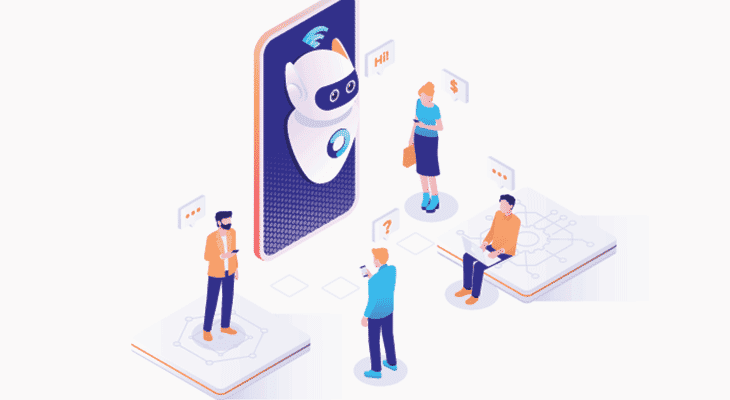
AI voice bot solutions have become an essential component of customer engagement strategies across industries such as banking, healthcare, telecommunications, insurance, e-commerce, and government services. As businesses rapidly adopt automated voice interactions to improve customer service efficiency and reduce operating costs, one question looms large. How secure are AI voice bot solutions when handling sensitive customer data?
Customers interact with voice bots to share personal details, authenticate identity, request account information, and complete transactions. These interactions often involve highly sensitive data, including identification numbers, payment information, protected health details, financial records, insurance claims, and private conversations. With cyber threats growing more sophisticated and data privacy regulations becoming stricter, security in AI voice bot solutions has evolved from a feature to a fundamental requirement.
This blog offers a comprehensive analysis of how secure modern AI voice bot solutions truly are. It explores the architecture, data protection mechanisms, authentication layers, regulatory compliance, risk factors, and industry best practices that determine the safety of customer data in voice-driven interactions. It also highlights emerging innovations that will shape the future of secure AI voice systems.
Understanding the Sensitivity of Data Processed by AI Voice Bots
AI voice bots receive and process more sensitive and personally identifiable information than most digital customer service channels. This is because voice interactions often require natural language responses and real-time decision-making, which naturally encourages customers to speak freely and provide full context.
Sensitive data categories handled by voice bot solutions include:
Customer name, address, and contact information
Identification details such as Aadhaar numbers, Social Security numbers, or passport numbers
Banking and payment information
Insurance policy details and claim data
Protected health information
Device and location data
Transaction history
Customer complaints or grievances
Confidential conversations and query transcripts
This kind of information must be handled with the highest security standards, otherwise organizations risk breaches, data misuse, fraud, identity theft, legal penalties, and long-term reputational damage.
The Core Security Architecture Behind AI Voice Bot Solutions
The security foundation of an AI voice bot involves multiple components working together. Instead of a single barrier, modern systems rely on a layered security framework that ensures confidentiality, integrity, and availability of sensitive customer data.
- Data Encryption at Every Level
Data encryption is the first and most critical layer of voice bot security. Data is protected both in transit and at rest.
Encryption in transit ensures that audio, text, and metadata transferred between devices and servers remain unreadable to unauthorized actors. Secure communication protocols such as TLS convert sensitive data into protected formats before transmission.
Encryption at rest ensures that stored recordings, transcripts, logs, and processed data cannot be accessed or understood without proper authorization. These files are often stored using strong encryption algorithms that prevent breaches even if system access is compromised.
The strength of encryption directly influences how safe customer data is when handled by the voice bot.
- Secure Natural Language Processing Pipelines
AI voice bots use speech recognition and natural language processing to convert voice into actionable insights. Each step of this pipeline must be secured to prevent leakage or manipulation.
Security measures include:
Controlled access to speech recognition engines
Restricted access to NLP models and training data
Isolation of customer conversations
Strictly monitored data processing channels
Prevention of unauthorized logging or copying of conversations
Advanced voice bot systems also anonymize data before it is used for analytics to ensure that sensitive information does not enter machine learning training databases without proper safeguards.
- Role-Based Access Controls
Access to voice bot data and internal dashboards is restricted using role-based access controls. Only authorized personnel can view or interact with sensitive data. Administrators define which users or internal teams can access:
Audio recordings
Customer transcripts
Analytics reports
Authentication data
Integrations with backend systems
This prevents data exposure due to human error or unauthorized internal access, which is one of the most common causes of data breaches.
- API Security and Backend System Protection
AI voice bots connect to CRM systems, order management platforms, banking systems, and other backend databases using APIs. Each integration point becomes a potential vulnerability if not secured properly.
Voice bots use:
Encrypted API connections
API keys with restricted permissions
Regular rotation of credentials
Threat monitoring on all integration endpoints
Firewall policies and intrusion detection systems
API security ensures that malicious actors cannot intercept or manipulate sensitive data flowing through the voice bot ecosystem.
- Secure Cloud Infrastructure
Most AI voice bot platforms operate on cloud infrastructure. Cloud security features add another layer of protection to customer data.
Key controls include:
Multi-layer firewalls
Automated threat detection
Distributed denial of service protection
Identity and access management
Data loss prevention tools
Secure storage and backup systems
Cloud providers also follow strict compliance standards that increase the security of hosted voice bot solutions.
Authentication and Identity Verification in Voice Bot Ecosystems
Since voice bots handle sensitive data, they must verify user identity accurately before sharing account information or completing high-value transactions.
- Multi-Factor Authentication
Voice bot systems often integrate with multi-factor authentication elements:
One-time passwords
Device recognition
Security questions
Behavioral authentication
Email or SMS verification codes
These processes prevent unauthorized access even if someone tries to mimic a customer’s voice.
- Voice Biometrics for Stronger Authentication
Voice biometrics is becoming a powerful tool in voice bot security. Every individual’s voice has unique acoustic patterns. Voice biometrics uses these characteristics to:
Identify customers
Authenticate identity
Detect fraud
Prevent voice spoofing attempts
Advanced systems can detect synthetic voices and deepfake audio, blocking fraudulent attempts in real-time.
Compliance with Global Data Protection Regulations
AI voice bots must comply with stringent data privacy regulations. These frameworks dictate how customer data can be collected, stored, processed, and deleted.
Common regulations include:
General Data Protection Regulation in Europe
California Consumer Privacy Act
Health Insurance Portability and Accountability Act
Payment Card Industry Data Security Standard
Country-specific data protection laws
Compliance requirements include:
Data minimization
Purpose-based collection
Customer consent management
Right to access and delete personal data
Secure data storage and transmission
Regular security audits
A compliant AI voice bot is far more secure because it follows regulated data handling procedures.
Key Risks and Security Challenges in AI Voice Bot Ecosystems
Despite robust security measures, voice bot solutions are not fully immune to risks. Understanding these challenges helps businesses anticipate vulnerabilities and choose more secure solutions.
- Voice Spoofing and Deepfake Manipulation
Cybercriminals can try to use manipulated or synthetic voices to impersonate customers. Deepfake technology makes this threat more serious. Only advanced biometric authentication and anti-spoofing algorithms can detect such risks.
- Misconfigured Systems and Human Error
Incorrect permissions, misconfigured dashboards, unsecured API endpoints, and oversight in logging can expose sensitive data. Human error remains one of the leading security threats in enterprise systems.
- Eavesdropping and Man-in-the-Middle Attacks
If voice bot communication lines are not encrypted, attackers can intercept audio streams or transcripts. Secure transmission protocols are mandatory to prevent these attacks.
- Data Storage Vulnerabilities
Unencrypted storage, insecure backup systems, or improper access controls can lead to large-scale data leaks. Voice recordings and transcripts must always be stored with encryption.
- Integration Vulnerabilities
Since voice bots connect with financial, healthcare, or personal databases, any integration point can become a target. Weak API security or outdated connectors increase breach risks.
Best Practices to Ensure Maximum Security in AI Voice Bot Deployment
Organizations should follow established best practices to ensure their AI voice bot ecosystem remains fully secure.
- End-to-End Encryption
Every data movement, from customer voice input to backend storage, must be encrypted. This prevents unauthorized monitoring or tampering.
- Regular Security Audits and Penetration Tests
Security assessments allow organizations to detect vulnerabilities before attackers do. Penetration testing reveals issues with:
API access
Voice processing pipelines
Authentication flows
Cloud environments
Continuous monitoring ensures systems remain secure even as threats evolve.
- Strong Access Management Policies
Businesses must restrict data access to only what is required for internal teams. Access levels should be reviewed regularly to eliminate unnecessary privileges.
- Safe Data Retention Practices
Voice recordings and transcripts should be stored for only the required duration. Data should be automatically deleted once the purpose is fulfilled. This reduces risk in case of a breach.
- Adoption of Anti-Spoofing and Fraud Detection Tools
Advanced voice bot systems incorporate fraud analytics to identify suspicious patterns and synthetic voices. These systems flag unusual authentication attempts and prevent unauthorized access.
- Secure API and Integration Framework
Businesses should ensure that all APIs connected to the voice bot are secure, authenticated, and monitored. API keys should rotate regularly, and outdated endpoints must be removed.
- Employee Training and Awareness
Security is not only a technological responsibility. Employees must be trained on:
Data handling
Phishing prevention
Proper use of access controls
Escalation procedures
Human error becomes significantly lower with consistent security training.
The Future of Security in AI Voice Bot Solutions
As AI becomes more advanced, voice bot security will evolve with new technologies designed to combat emerging threats.
- AI Driven Threat Detection
Machine learning models are increasingly used to detect security anomalies in real-time. These systems can identify suspicious behavior patterns across authentication attempts and integration requests.
- Quantum Safe Encryption
With the rise of quantum computing, traditional encryption may become vulnerable. Future voice bot systems will adopt quantum safe encryption algorithms to remain secure.
- Federated Learning for Privacy Preserving AI
Instead of sending sensitive data to central servers, federated learning keeps data on edge devices. This reduces storage risks and improves privacy while training AI models.
- Zero Trust Security Architecture
Zero trust models assume that no device, user, or request is trustworthy by default. This minimizes internal access risks and protects customer data across every touchpoint.
- Advanced Voice Biometrics with Deepfake Detection
Future biometric authentication tools will detect audio manipulation with extremely high accuracy. This will protect customers from voice cloning attacks.
check out: https://www.inoru.com/ai-voice-bot-development-company
Conclusion
AI voice bot solutions offer powerful capabilities that enhance customer service, reduce costs, and deliver 24 by 7 automated assistance. However, their effectiveness depends heavily on how securely they handle sensitive customer data. Today’s voice bot ecosystems are built with strong security measures such as encryption, robust authentication, biometrics, access controls, secure NLP pipelines, API protection, and compliance with global privacy regulations. Even so, organizations must remain vigilant and follow best practices to mitigate risks such as voice spoofing, human error, integration vulnerabilities, and misconfigured systems.
By investing in secure architecture, adopting advanced fraud detection tools, and maintaining strict governance, businesses can confidently deploy AI voice bot solutions without compromising sensitive customer data. The future promises even stronger security capabilities, ensuring that AI voice systems remain trustworthy, resilient, and safe for customers across all industries.