Cambodia Photography Tour
WHY CHOOSE CAMBODIA FOR YOUR PHOTOGRAPHY TOUR?
Cambodia Photography Tour
Though the magnificent temples of Angkor undeniably attract most photographers to Cambodia, the country's photographic potential extends far beyond its temples. Cambodia presents a wealth of underappreciated opportunities for street photography, environmental portraiture, and documentary-style work that many visitors overlook.
The Cambodian countryside reveals scenes of remarkable authenticity—rural villages where traditional ways of life continue largely unchanged, offering photographers the chance to capture genuine moments of daily existence. Here, farmers work rice paddies using methods passed down through generations, craftspeople practice ancient trades, and community life unfolds at a pace that allows for thoughtful, unhurried photography.
Urban and rural markets throughout Cambodia pulse with visual energy. The vibrant chaos of food markets—with their pyramids of tropical fruits, mountains of fresh vegetables, hanging meats, and animated vendors—creates a feast for the camera. The interplay of natural light filtering through corrugated roofs, the gestures of negotiation between buyers and sellers, and the honest expressions of people going about their daily commerce provide endless material for compelling street photography.
Cambodia's Buddhist culture adds another rich layer to the photographic experience. Saffron-robed monks moving through morning streets collecting alms, young novices studying in monastery courtyards, and the quiet devotion of worshippers in neighborhood pagodas offer powerful opportunities for sensitive, respectful portraiture. These spiritual moments, when approached with cultural awareness and permission, can yield some of the most memorable images of any photography tour.
PHOTOGRAPHING THE ANCIENT WONDERS OF ANGKOR
For photographers around the globe, capturing the temples of Angkor represents a a photographic pilgrimage that ranks among the world's most coveted destinations. Cambodia's Siem Reap province harbors an extraordinary collection of architectural masterpieces spanning seven centuries of Khmer civilization, from the 7th through the 14th centuries. This remarkable density of ancient structures positions Siem Reap as the essential base camp for photographic expeditions into one of humanity's greatest archaeological landscapes.
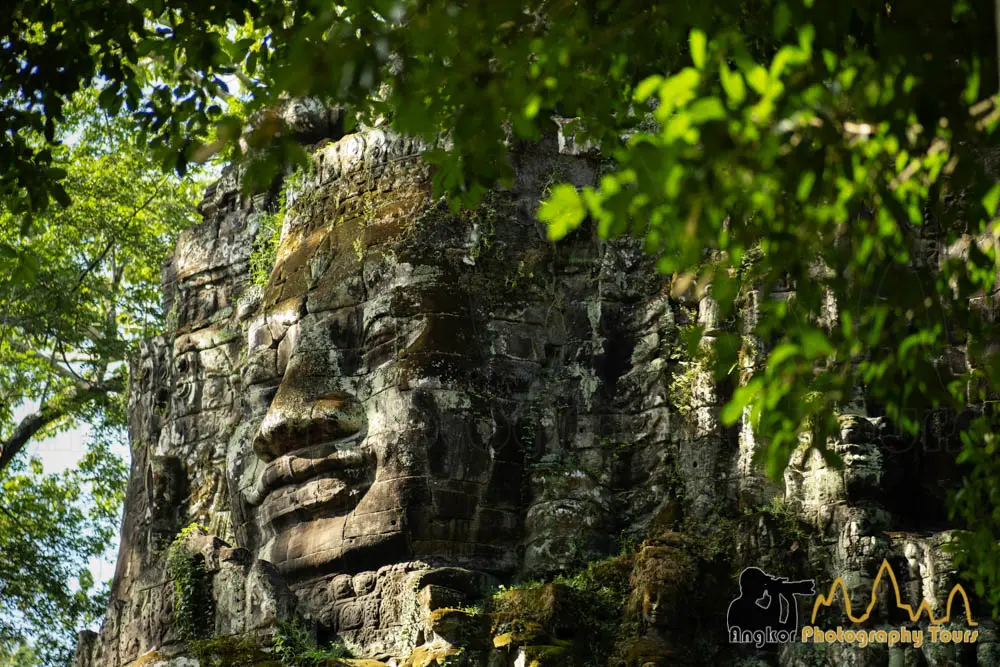
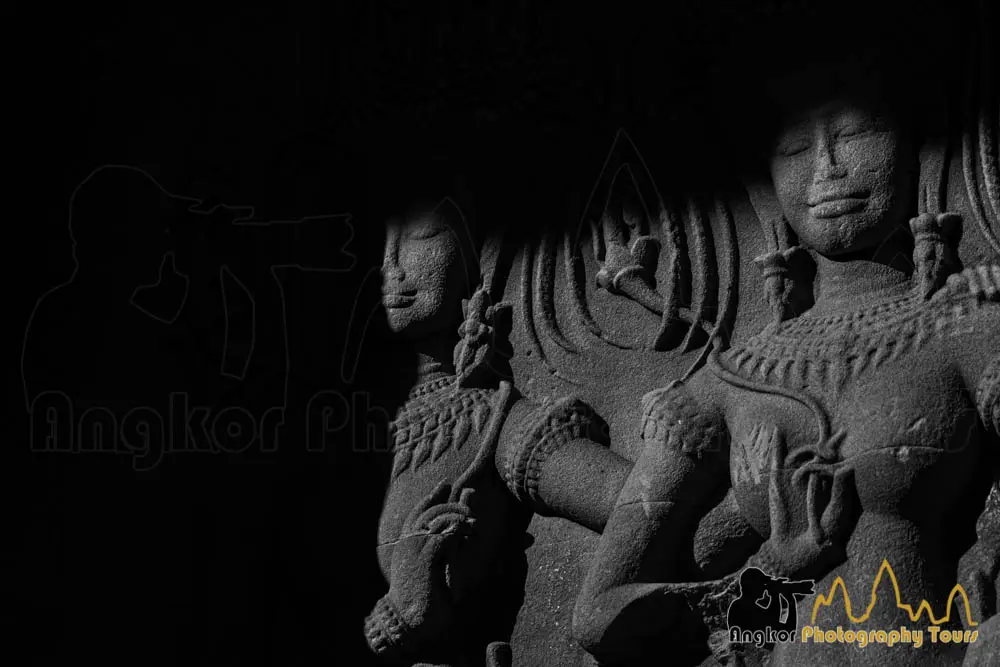
First-time visitors to the Angkor Archaeological Park invariably find themselves overwhelmed by its sheer scale. Stretching across more than 400 square kilometers, the complex encompasses hundreds of temple structures ranging from intimate jungle-shrouded shrines to the colossal grandeur of Angkor Wat itself. The photographic possibilities are genuinely inexhaustible—intricate bas-relief carvings depicting epic narratives, soaring stone towers silhouetted against tropical skies, tree roots embracing crumbling galleries, and hidden doorways framing scenes of ancient beauty. Each temple possesses its own character, lighting qualities, and photographic challenges, offering enough variety to satisfy even the most ambitious photographer's appetite.
Yet photographing Angkor successfully demands more than simply showing up with a camera. Creating compelling images requires physical stamina—climbing steep temple stairs, navigating uneven stone walkways, and enduring Cambodia's tropical heat and humidity while scouting compositions and waiting for optimal light. The harsh midday sun can flatten the dimensional beauty of carved sandstone, while the magic hours of dawn and dusk transform the temples into subjects of extraordinary drama and mood. Strategic planning, persistence, and patience become essential ingredients for photographic success.
Seasonal timing dramatically influences the photographic character of Angkor's temples. The green season, extending from August through November, offers particularly rewarding conditions despite its reputation as the "low season." During these monsoon months, life erupts across the archaeological park—vibrant moss blankets ancient stones in brilliant emerald hues, adding textural richness and color depth that simply doesn't exist during the dry season. This natural patina creates an organic beauty that enhances rather than obscures the architectural details, lending photographs an otherworldly, time-softened quality.
The seasonal rains themselves present unique creative opportunities. Temporary pools form across temple courtyards and along ancient causeways, creating natural mirrors that reflect towers, galleries, and sky in perfect symmetry. These ephemeral conditions allow photographers to capture ethereal double exposures and abstract compositions impossible during the dry months. Early morning shoots after overnight rain reveal temples emerging from mist, while dramatic storm clouds add cinematic atmosphere to wide-angle architectural shots.
BEYOND TEMPLES: FACES OF CAMBODIA
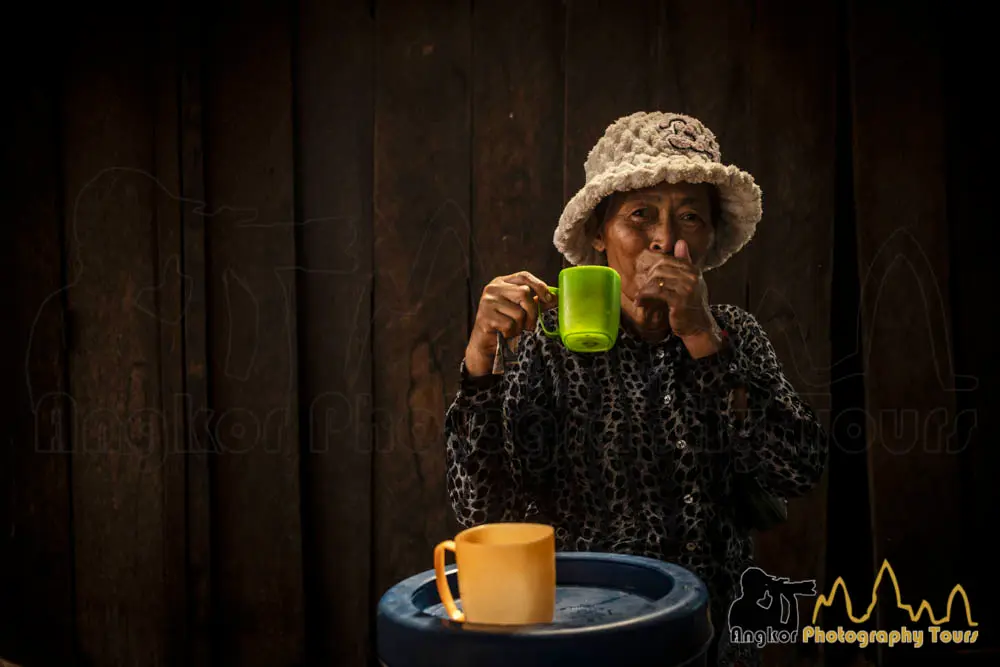
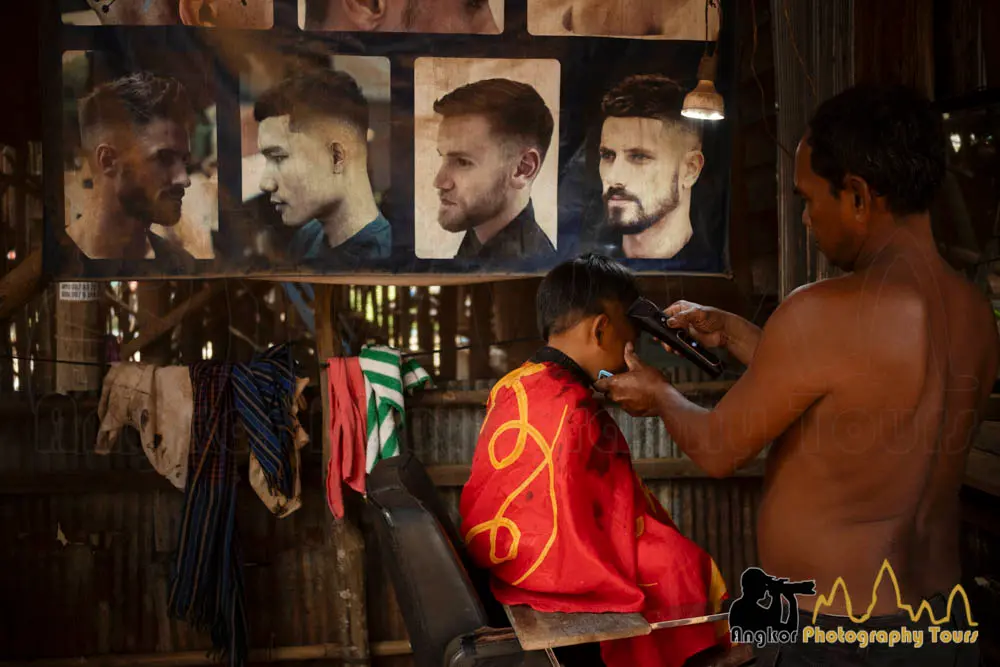
When photographers plan their Cambodia journey, human subjects and street photography rarely feature prominently in their initial vision. Yet Cambodia's greatest photographic treasure may well be its people and the authentic rhythms of daily life. In 2025, Cambodia remains predominantly agricultural, with more than 70% of its population residing beyond city limits, offering extraordinary access to traditional lifestyles that have vanished in many other Southeast Asian destinations.
The Cambodian countryside unfolds as a photographer's documentary paradise. Traditional wooden houses on stilts dot landscapes of impossibly green rice paddies, where water buffalo wade through flooded fields. These rural villages offer unfiltered windows into authentic Cambodian existence—morning routines, agricultural work, and community gatherings that reveal life beyond tourist itineraries.
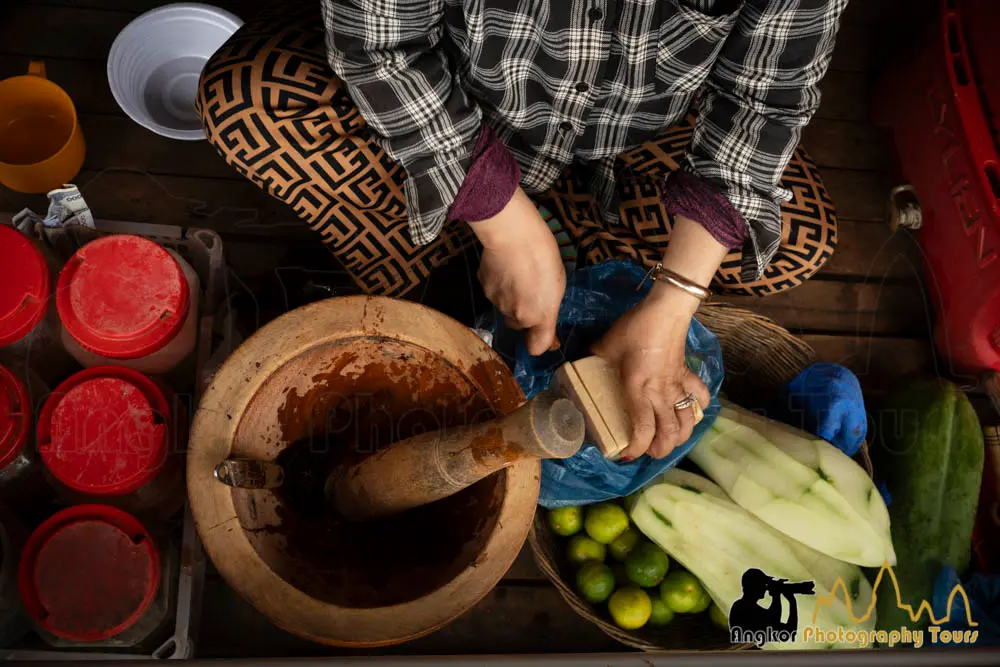
Local markets throughout Cambodia explode with color, energy, and photographic richness. Mountains of dragon fruit, mangosteen, and rambutan create natural still-life compositions. Weathered hands arrange fresh vegetables while vendors negotiate prices with animated gestures. The sensory overload provides endless opportunities for capturing decisive moments—those fleeting intersections of gesture, expression, and light that define compelling street photography.
What distinguishes Cambodia is the genuine warmth of its people. Cambodians—whether market vendors, farmers, or village elders—typically respond to photographers with friendliness rather than suspicion. While respectful permission should always be requested, most prove remarkably receptive when approached with courtesy, resulting in portraits that capture genuine expression rather than guarded tolerance.
Buddhist monk photography represents a particularly compelling subject, though it requires sensitivity. Rather than staging contrived scenes among ancient ruins, authentic opportunities exist to photograph monastic life in Cambodia's active wats and pagodas. Young novices in saffron robes might gather for language lessons, sweep temple courtyards in morning light, or file into prayer halls for evening chanting. These unforced moments capture the lived reality of Cambodia's Buddhist culture far more powerfully than any staged tableau.
Compelling images await in local markets, around Tonle Sap lake's floating villages, and throughout small provincial towns where tradition mixes with modernity. If you book a Cambodia photo tour during August's green season, you may witness traditional rice transplantation still performed by hand—groups of farmers wading through flooded paddies planting seedlings in methodical rows, creating powerful images of Cambodia's timeless relationship with the land.