What an HVAC Installer in Halifax Considers Before Installing a New System
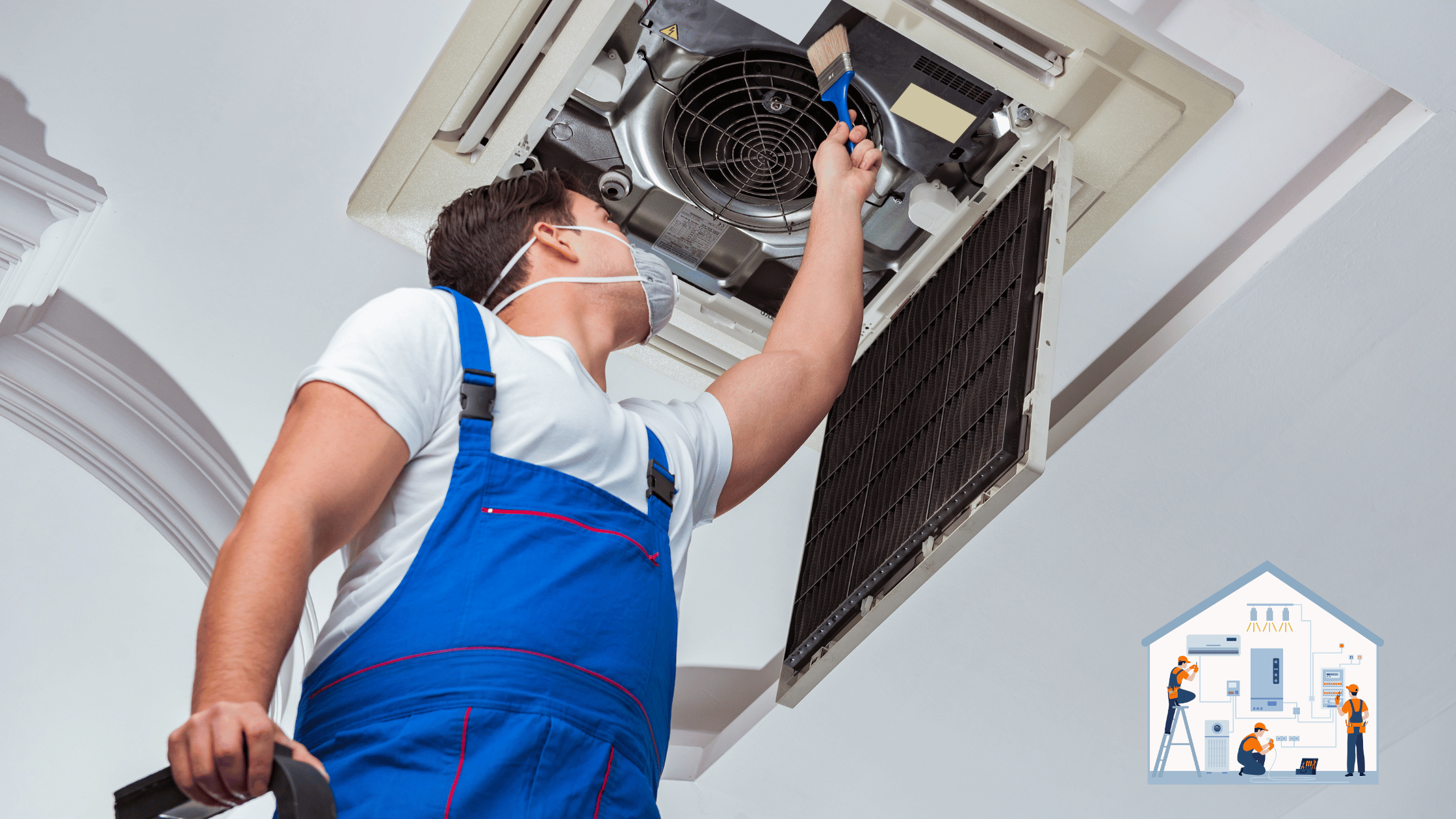
Buying a new HVAC system is a decision most homeowners make only a handful of times. It is easy to focus on the equipment itself, comparing brands, efficiency ratings, or features. Installation, however, has just as much influence on how the system performs over the years. An experienced HVAC Installer in Halifax looks at much more than the unit being installed. Every home presents a different set of conditions, and understanding those details is the first step toward a successful installation.
Every Home Has Different Heating and Cooling Needs
No two homes are exactly alike.
The size of the house, the number of floors, insulation levels, window placement, and overall layout all affect how heating and cooling equipment should perform. A system that works well in one property may not be the right choice for another.
Before recommending equipment, an installer evaluates the home's overall requirements instead of relying on assumptions.
System Size Is Carefully Evaluated
Many homeowners believe a larger HVAC system will provide better comfort.
That is not always true.
A system that is too large may cycle on and off more frequently than necessary. One that is too small can struggle to maintain comfortable temperatures during periods of heavy demand.
An experienced HVAC Installer in Halifax considers the home's heating and cooling load to help determine the right system size for the space.
Existing Ductwork Is Part of the Evaluation
New equipment cannot always compensate for older ductwork.
If ducts are leaking, poorly designed, or restricting airflow, installing a new system alone may not solve existing comfort problems.
Installers often inspect the condition of the ductwork before installation. Identifying potential issues at this stage helps ensure the new equipment has the best opportunity to perform as intended.
Airflow Matters From the Start
A heating and cooling system depends on proper airflow from the day it begins operating.
Restricted airflow can affect efficiency, comfort, and equipment performance. That is why installers pay close attention to vent locations, return air pathways, and how air moves throughout the home.
These details may not be visible after the installation is complete, but they have a lasting impact on everyday operation.
The Home's Electrical System Is Also Considered
HVAC equipment depends on more than heating and cooling components.
Electrical connections, circuit capacity, and system compatibility all need to be reviewed before installation begins.
Addressing these requirements in advance helps avoid unnecessary delays and supports safe operation once the new system is installed.
The Right Equipment Depends on the Home
Choosing HVAC equipment is not simply a matter of selecting the newest model.
Different homes have different priorities. Some homeowners want to improve energy efficiency. Others are replacing aging equipment or planning for future renovations.
A knowledgeable HVAC Contractor considers these factors before recommending a solution. The goal is to match the equipment to the home's needs instead of choosing a one size fits all approach.
Installation Does Not End When the Equipment Is in Place
Once the system has been installed, there is still important work to do.
Connections need to be checked. Controls should be tested. Airflow should be verified, and the equipment should operate as expected before the job is considered complete.
An experienced HVAC Technician understands that these final checks are just as important as the installation itself. Small adjustments at this stage can make a noticeable difference in how the system performs over time.
Clear Communication Helps Homeowners
A new HVAC system represents a significant investment.
Homeowners should understand what is being installed, how the system operates, and what to expect after the work is finished. Good installers take the time to answer questions and explain the process in straightforward language.
That conversation helps homeowners feel more confident about the decisions they have made.
Long Term Support Should Be Part of the Plan
Installing new equipment is only the beginning of its service life.
Future maintenance, inspections, and occasional repairs will all contribute to how well the system performs over the years. Working with an established HVAC Company in Halifax gives homeowners access to ongoing support from professionals who are familiar with the equipment they installed.
That continuity can make future service visits more efficient and provide greater confidence as the system ages.
Across Halifax, Clim AG provides professional HVAC installation services along with ongoing maintenance and repair support to help homeowners get the most from their heating and cooling systems.
Conclusion
Installing a new HVAC system involves much more than replacing old equipment. An experienced HVAC Installer in Halifax evaluates the home, considers airflow, reviews existing ductwork, confirms proper system sizing, and ensures every part of the installation supports reliable performance. Taking the time to address these details helps homeowners enjoy better comfort, dependable operation, and greater value from their investment for years to come.
FAQs
What does an HVAC Installer in Halifax evaluate before installation?
An installer typically considers home size, heating and cooling needs, ductwork, airflow, electrical requirements, and system compatibility before recommending equipment.
Why is proper HVAC system sizing important?
A correctly sized system is more likely to provide consistent comfort and efficient operation than equipment that is too large or too small.
Can existing ductwork affect a new HVAC installation?
Yes. Damaged or inefficient ductwork can reduce airflow and affect the performance of newly installed equipment.
What is the difference between an HVAC Installer and an HVAC Technician?
An installer focuses on fitting and setting up new systems, while an HVAC Technician often performs inspections, maintenance, diagnostics, and repairs throughout the system's lifespan.
Why should I hire an experienced HVAC Contractor?
An experienced HVAC Contractor evaluates the entire home and recommends solutions based on its specific heating and cooling requirements rather than using a standard approach.
Why work with an HVAC Company in Halifax after installation?
An established HVAC Company in Halifax can provide ongoing maintenance and service, helping your system continue to perform efficiently over the long term.
