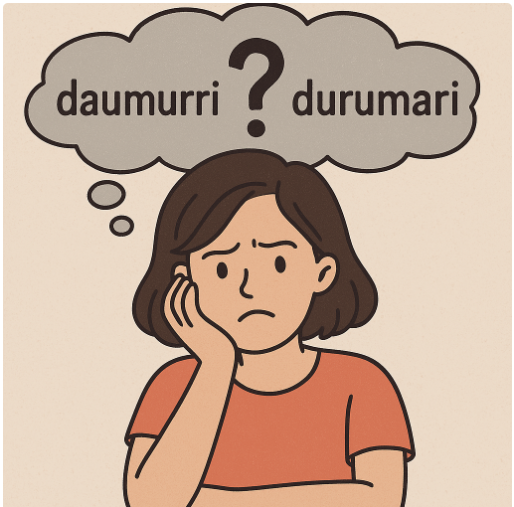
문제
분석
- 한 단어를 재배열해 다른 단어를 만들 수 있어야 한다.
- 두 단어의 첫 글자와 마지막 글자는 서로 동일해야 한다.
- 각 단어에서 모음(a, e, i, o, u)을 제거한 문자열은 동일해야 한다.
위 조건들을 만족한다면 YES, 만족하지 않는다면 NO를 출력하는 문제이다.
재배열해서 같게 하는 조건은 각 알파벳의 빈도수를 세어 같은지 판별했다.
다른 조건은 chatAt()메소드를 통해 어렵지 않게 구현할 수 있다.
N까지 도는 for문이 가장 크기 때문에 O(N)이 시간 복잡도이다.
코드
해결언어 : Java
import java.io.BufferedReader;
import java.io.FileInputStream;
import java.io.InputStreamReader;

public class Main {
	static int N;
	static String str1, str2;

	public static void main(String[] args) throws Exception {
		BufferedReader br = new BufferedReader(new InputStreamReader(System.in));
		N = Integer.parseInt(br.readLine());
		str1 = br.readLine();
		str2 = br.readLine();
		if (str1.charAt(0) != str2.charAt(0) || str1.charAt(N - 1) != str2.charAt(N - 1)) {
			System.out.println("NO");
			System.exit(0);
		}
		int[] freq1 = new int[26];
		int[] freq2 = new int[26];
		for (int i = 0; i < N; i++) {
			freq1[str1.charAt(i) - 'a'] += 1;
			freq2[str2.charAt(i) - 'a'] += 1;
		}
		for (int i = 0; i < 26; i++) {
			if (freq1[i] != freq2[i]) {
				System.out.println("NO");
				System.exit(0);
			}
		}
		StringBuilder sb1 = new StringBuilder();
		StringBuilder sb2 = new StringBuilder();
		for (int i = 0; i < N; i++) {
			char ch1 = str1.charAt(i);
			if (!isVowel(ch1))
				sb1.append(ch1);
			char ch2 = str2.charAt(i);
			if (!isVowel(ch2))
				sb2.append(ch2);
		}
		if (sb1.toString().equals(sb2.toString()))
			System.out.println("YES");
		else
			System.out.println("NO");
		br.close();
	}

	static boolean isVowel(char ch) {
		return ch == 'a' || ch == 'e' || ch == 'i' || ch == 'o' || ch == 'u';
	}
}


어제보다 지식 1g 쌓기