The Great Furniture Debate Begins
When it comes to furnishing your home with purpose and style, every piece you choose tells a story about how you live. Choosing between two seemingly similar furniture pieces can feel overwhelming, especially when both appear to serve the same role at first glance. A Console table is one of those furniture items that often gets confused with its close cousin, the sideboard, leaving homeowners scratching their heads in furniture stores. Understanding the core differences between these two pieces is the first step toward making a smarter, more intentional purchase. Let this guide walk you through every angle of that decision.
Defining the Sideboard
A sideboard is a long, low piece of furniture traditionally designed for dining rooms. It typically features a combination of drawers, cupboards, and open shelving, making it a highly functional storage unit. Sideboards are usually deeper and heavier than their counterparts, designed to hold dining essentials like cutlery, tablecloths, serving dishes, and glassware. Because of their substantial build, sideboards anchor a room visually and add a sense of permanence and structure. They often serve as a surface for displaying decorative items, buffet spreads during gatherings, or even a secondary workspace when needed. Their robust construction makes them a long-term investment in any home.
Understanding Slim, Versatile Profiles
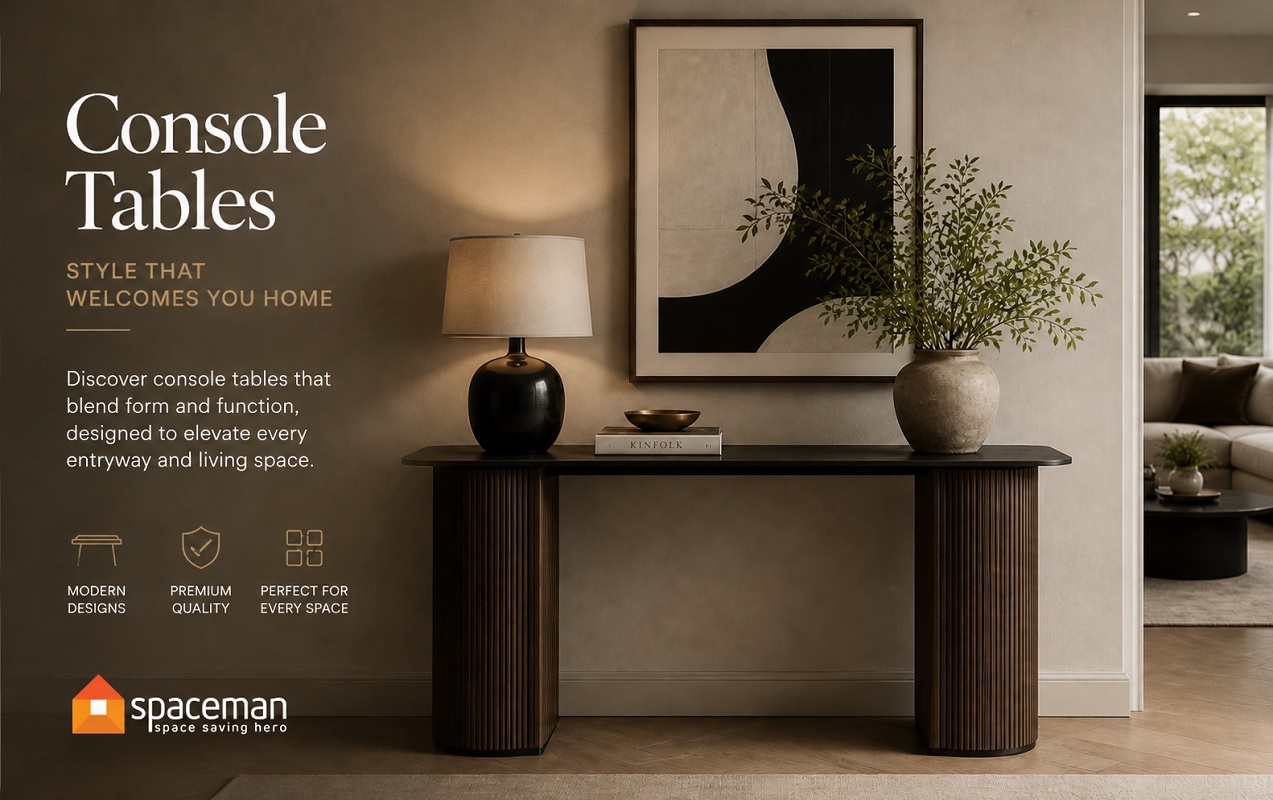
One of the defining characteristics that separates narrow furniture from bulkier storage units is the profile. A Console table typically measures between 12 to 15 inches in depth, making it an ideal fit for hallways, entryways, and narrow living spaces where a sideboard would feel imposing or cramped. This slim silhouette allows it to sit flush against a wall without protruding awkwardly into the room. Despite its narrower frame, it still delivers surface space for lamps, keys, decorative bowls, or framed photographs. The slender profile is not a limitation — it is actually the feature that gives this furniture piece its greatest advantage in modern homes.
Where Each Piece Naturally Belongs
Placement plays a huge role in deciding which furniture piece is right for your home. Sideboards thrive in dining rooms, where they function as buffet stations and storage for table linens and serveware. They also work well in living rooms as media consoles or display units. A console table, on the other hand, feels most at home in entryways, foyers, behind sofas, or in narrow corridors. It brings style and utility to transitional spaces that often go undecorated. If your home has a wide, open dining room, a sideboard may be the better fit. But for smaller apartments or entryways, a sleeker option wins every time.
Storage Capacity Compared
Storage is one of the biggest differentiators between these two furniture types. Sideboards are built for serious storage — multiple drawers, hidden cabinets, and sometimes open shelving combine to offer generous capacity for household items. They are the workhorses of the furniture world, hiding clutter behind elegant doors. Console tables, in contrast, offer minimal enclosed storage. Most feature one or two small drawers or an open lower shelf. This makes them better suited for displaying items rather than hiding them. If your priority is tucking away a large number of belongings, a sideboard is the clear winner. If display and style lead your needs, the console wins.
Style Versatility across Interiors
Both furniture pieces come in a wide range of styles, from rustic farmhouse to sleek mid-century modern and minimalist Scandinavian. However, a Console table tends to offer greater visual lightness because of its slender legs and open design. It blends seamlessly into almost any interior without dominating the aesthetic. Sideboards, being larger and more enclosed, make a bolder statement and work best when chosen intentionally to complement a defined design style. If your interiors are eclectic or still evolving, the more adaptable silhouette of the console gives you flexibility to restyle without replacing furniture. Both pieces can be stunning — it comes down to your current interior vision.
Price Points and Budget Considerations
Budget is always a practical consideration when furnishing a home. Sideboards generally cost more due to their size, the materials required, and the complexity of their construction. A well-made sideboard with quality joinery and hardware can be a significant investment. Console tables are typically more affordable because they use less material and involve simpler construction. This makes them a smart entry point for homeowners furnishing a space on a budget without sacrificing style. That said, both pieces are available across a wide price spectrum, from budget-friendly flat-pack options to handcrafted luxury designs. Set your budget first, then explore what each category offers within that range.
How Each Piece Functions Daily
Thinking about daily use is essential before making any furniture investment. A sideboard functions as a practical hub — you open its drawers for napkins before dinner, pull out serving platters for guests, or store extra batteries and candles in its cabinets. It works hard every single day. A console table functions more as a visual anchor and casual drop zone. You place your keys on it when you walk in, set a vase of flowers on its surface, or drape a bag over its frame. Both serve real purposes, but they serve different rhythms of daily life. Match the piece to how you actually live, not just how you imagine you will.
The Console Table in Small Spaces
For those living in compact apartments, studio flats, or homes with narrow hallways, smart furniture choices can make or break the flow of a space. A Console table is one of the most space-efficient furniture solutions available, offering surface functionality without consuming valuable floor space. Its slim depth means you can walk past it comfortably without bumping into it, and its presence adds visual interest to blank walls without cluttering the room. Paired with a mirror above and a basket below, it can even mimic the look of a more elaborate entryway setup. In small spaces, it is not just a choice — it is often the only sensible one.
Decorating the Surface Effectively
How you style the top of your furniture piece matters as much as the piece itself. Sideboards invite layered styling — think table lamps flanking a large mirror, a collection of ceramics, or a curated arrangement of books and plants across a generous surface. Console tables call for a more edited approach given their narrower top. A classic formula includes a tall lamp on one side, a small stack of books or a plant in the center, and a decorative object on the other side. Keep proportions in mind — too many items will make the surface look cluttered. Less is often more when working with a narrow horizontal surface.
Making the Right Choice for Your Home
The decision ultimately comes down to three things: the space you have, the storage you need, and the style you are going for. If you have a wide dining room, a love for entertaining, and a need to store a significant amount of tableware, a sideboard is your answer. If you have a narrow entryway, a small apartment, or simply want to add character to an underused wall, the console is the smarter pick. There is no universally right answer — only the right answers for your specific home. Take measurements before you shop, consider how the piece will be used daily, and let function guide your final decision. Professional Fire Watch Guards help protect properties, construction sites, and businesses during fire system outages or emergencies. Reliable Fire Watch Guards ensure continuous monitoring, safety compliance, and rapid response when protection matters most.
When You Might Want Both
Interestingly, many well-designed homes feature both a sideboard and a console table, each placed strategically for its intended purpose. A sideboard anchors the dining room with its storage and display capacity, while a slender console greets guests in the entryway or fills the space behind a living room sofa. These two pieces do not compete — they complement. If your home has the space and your budget allows, investing in both means every room has a dedicated piece working in its favor. Think of them as teammates rather than rivals, each playing a distinct role in the overall comfort and aesthetic of your living environment.
Final Thoughts on Choosing Well
Great furniture is not just about looks — it is about how well a piece integrates into your daily life over years of use. Whether you lean toward the substantial, storage-rich nature of a sideboard or the elegant, space-saving qualities of a console table, the key is to choose intentionally. Measure your space, consider your storage needs, and think about the style narrative you want your home to tell. Visit showrooms, explore online collections, and take your time. The right piece will feel obvious once you see it in context. Your home deserves furniture that earns its place — not just in square footage, but in everyday usefulness and lasting beauty.
Columbia is a furniture design and home styling writer known for his grounded, detail-forward approach to residential interiors. He covers everything from structural furniture craftsmanship to color-palette building, delivering content that helps readers make smarter, longer-lasting design decisions.