The Ultimate Guide to Crafting the Perfect Marriage Invitation
wedding invite messages are more than just a means of informing guests about the date and location of the wedding. They are a reflection of the couple's personal style and the overall theme of the wedding. A well-crafted invitation sets the tone for the entire event and creates excitement and anticipation among the invitees. In this comprehensive guide, we will delve into every aspect of designing and wording the perfect marriage invitation to ensure your special day starts off on the right foot.
Understanding the Essentials of a Marriage Invitation
1. Key Components of a Marriage Invitation
A marriage invitation typically includes several essential components:
The Host Line: This indicates who is hosting the wedding.
The Request Line: This is where the hosts invite the guests to the wedding.
The Couple's Names: The names of the couple getting married.
The Details: Date, time, and location of the ceremony and reception.
RSVP Information: How guests should respond to the invitation.
2. Choosing the Right Wording
The wording of your marriage invitation should reflect the formality of your wedding. Traditional weddings often use formal language, while casual or modern weddings may use more relaxed wording. Here are some examples:
Formal Wording:
Mr. and Mrs. John Doe request the honor of your presence at the marriage of their daughter, Jane Doe, to Mr. James Smith.
Casual Wording:
Join us for the wedding celebration of Jane Doe and James Smith.
Designing Your Perfect Marriage Invitation
1. Selecting the Style and Theme
The design of your marriage invitation should match the theme and style of your wedding. Whether you're planning a rustic, vintage, modern, or classic wedding, your invitation should reflect this. Consider elements like color schemes, fonts, and images that align with your wedding vision.
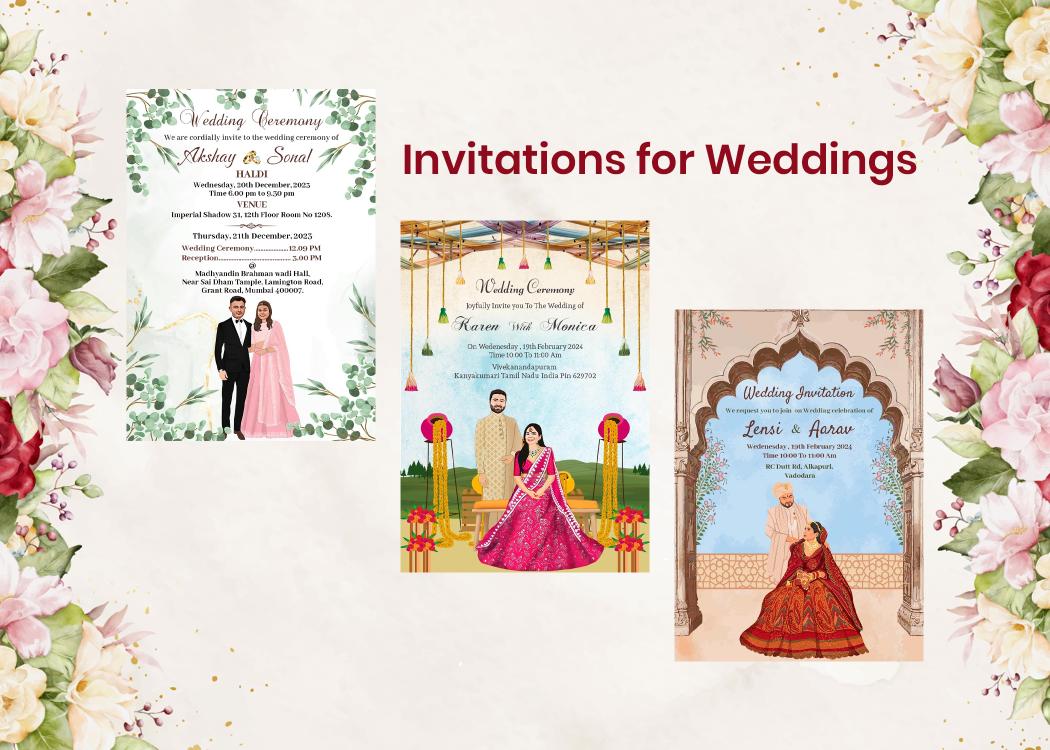
- Choosing the Right Paper and Printing Techniques
The type of paper and printing technique you choose can significantly impact the look and feel of your invitation. Here are some options to consider:
Paper Types: Matte, glossy, textured, or handmade paper.
Printing Techniques: Letterpress, engraving, foil stamping, or digital printing.
Crafting the Perfect Wording for Your Marriage Invitation
1. Traditional vs. Contemporary Wording
The tone of your marriage invitation can range from traditional to contemporary. Traditional wording tends to be more formal and follows specific etiquette rules, while contemporary wording is more relaxed and personal.
Traditional Wording Example:
The honor of your presence is requested at the marriage of Jane Doe to James Smith.
Contemporary Wording Example:
Together with their families, Jane Doe and James Smith invite you to celebrate their wedding.
- Including Additional Information
Your marriage invitation may also include additional information such as:
Dress Code: Indicate if there is a specific dress code for the event.
Directions and Accommodations: Provide information on how to get to the venue and where to stay.
Registry Information: Include details about where the couple is registered for gifts.
Personalizing Your Marriage Invitation
1. Adding a Personal Touch
Adding personal touches to your marriage invitation can make it more meaningful and memorable. Consider incorporating:
Personal Photos: A photo of the couple can add a personal touch.
Custom Illustrations: Unique illustrations that reflect the couple’s story or interests.
Handwritten Notes: A small handwritten note or signature.
2. Language and Cultural Considerations
If the couple comes from different cultural backgrounds, it’s important to respect and include elements from both cultures in the marriage invitation. This can include using multiple languages or incorporating cultural symbols and traditions.
Sending Out Your Marriage Invitations
1. Timing Is Everything
Timing is crucial when sending out your wedding messages for invitation. Here’s a general timeline to follow:
Save the Date: Send out save-the-date cards 6-8 months before the wedding.
Invitations: Send the invitations 6-8 weeks before the wedding.
RSVP Deadline: Set the RSVP deadline 3-4 weeks before the wedding.
2. Addressing and Mailing
Properly addressing and mailing your marriage invitations is an important step. Make sure to:
Use Proper Titles: Address guests with their appropriate titles (Mr., Mrs., Dr., etc.).
Handwritten or Calligraphy: Consider hand-addressing envelopes or using calligraphy for an elegant touch.
Double-Check Addresses: Ensure all addresses are correct to avoid any mishaps.
Conclusion: The Perfect Start to Your Wedding Celebration
Creating the perfect marriage invitation requires attention to detail, thoughtful wording, and a design that reflects the couple’s personality and the wedding theme. By following the guidelines in this comprehensive guide, you can craft an invitation that not only informs but also excites your guests about your special day. Remember, your invitation is the first glimpse your guests will have of your wedding, so make it count!