How Do Search Engines Operate? Crawling, Indexing, and Ranking Explained
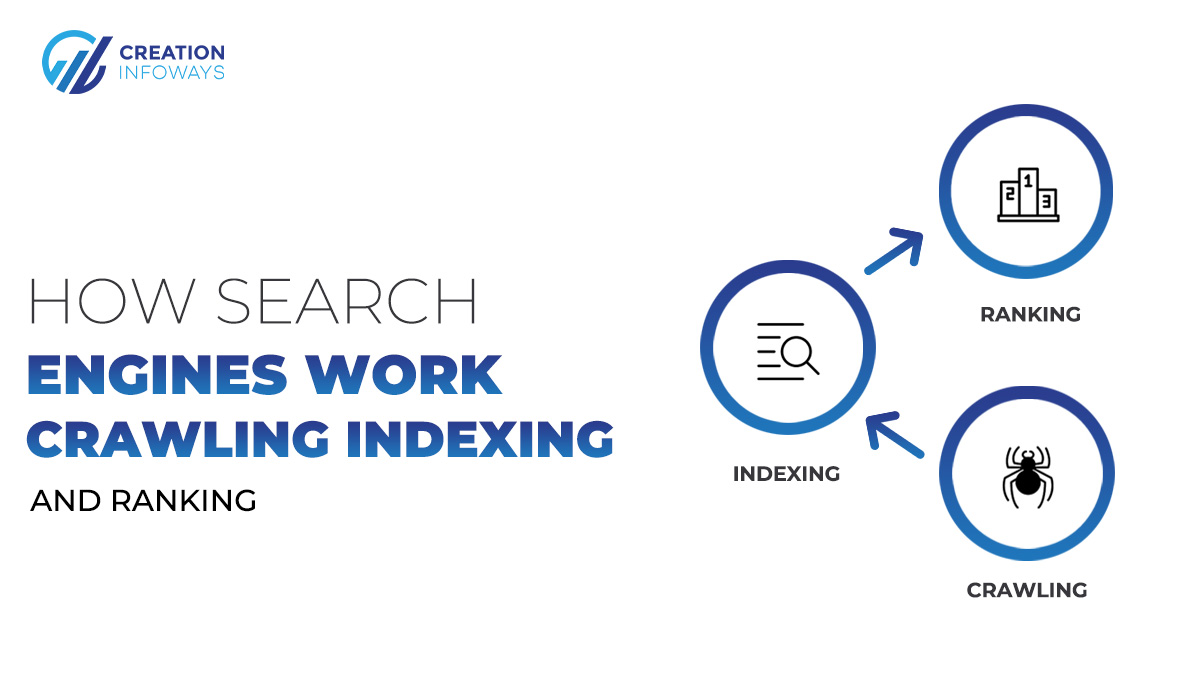
The digital world relies heavily on search engines to deliver relevant and accurate information. To comprehend how search engines work, it's essential to break down their functioning into three key stages: crawling, indexing, and ranking. These processes collectively ensure that users receive high-quality search results.
1. Crawling: The First Step
Crawling is the process by which search engines discover web pages. Specialized bots, often called “spiders” or “crawlers,” scan the internet by following links from one webpage to another. These bots collect information about the content, layout, and structure of each page.
Key Features of Crawling:
- Crawlers start by visiting known URLs and following internal and external links.
- New content, updates, or changes on websites are detected during the crawling process.
- Sites with clean navigation and proper internal linking are easier for crawlers to scan.
To enhance crawling efficiency, webmasters can submit a sitemap, which serves as a roadmap for crawlers to navigate the website.
2. Indexing: Organizing the Data
Once a page is crawled, its content is analyzed and stored in the search engine's database, known as the index. This database is a massive repository of all the web pages the search engine has deemed valuable.
Key Features of Indexing:
- The index contains data such as keywords, metadata, multimedia, and links.
- Pages with relevant and well-structured content, along with proper tags, are more likely to be indexed effectively.
- Duplicate content or pages with low-quality information may not get indexed.
Webmasters can use tools like Google Search Console to monitor the indexing status of their site and fix any errors.
3. Ranking: Delivering Results
Ranking is the final stage where search engines prioritize the indexed pages based on their relevance to a user’s query. The goal is to present the most accurate and useful results at the top.
Key Factors Affecting Ranking:
- Content Quality: Search engines prefer original, relevant, and well-written content.
- Keywords: Strategic use of keywords helps search engines understand the page's topic.
- User Experience: Mobile-friendliness, page speed, and navigation impact rankings.
- Backlinks: Quality links from other websites boost authority and ranking.
Search engines use complex algorithms to evaluate hundreds of factors before ranking pages.
Conclusion
Understanding how search engines work—through crawling, indexing, and ranking—provides insight into how users receive precise search results. For businesses and webmasters, optimizing websites to align with these processes is essential to improve visibility and reach. By focusing on high-quality content and user experience, websites can effectively climb the ranks in search engine results.