문제
1) 문제 풀이
func solution(_ priorities:[Int], _ location:Int) -> Int {
    var result: [Int] = []
    var currentIndex = 0
    var arr = priorities.sorted(by: >)

    while result.count < priorities.count {
        if currentIndex >= priorities.count {
            currentIndex = 0
        }

        let current = priorities[currentIndex]
        let max = arr.first ?? 0

        if current >= max {
            result.append(current)
            arr.removeFirst()
            if currentIndex == location {
                return result.endIndex
            }
            currentIndex += 1
        } else {
            currentIndex += 1
        }
    }

    return 0
}
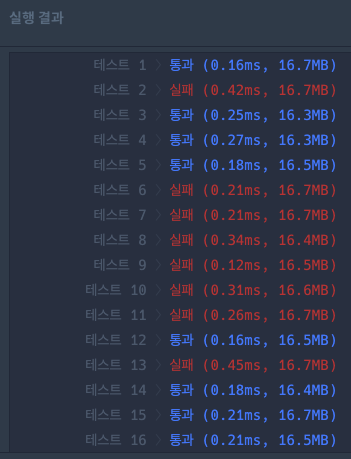
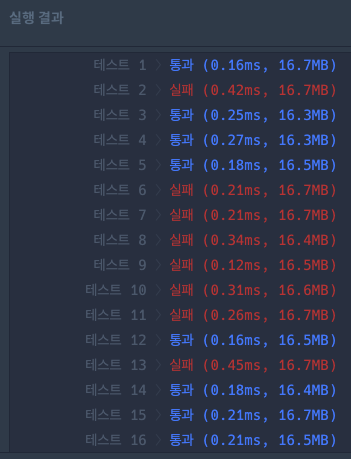
결과
2) 코드 개선
⚠️ 문제점 요약
priorities 배열을 그대로 순회하면서 우선순위가 제일 높은지를 비교하고 실행하지만,
"우선순위가 낮으면 큐의 뒤로 보내야 하는 로직"
이 정상 작동하지 않음.
즉,priorities를 회전시키지 않고currentIndex만 증가시키고 있기 때문에 큐의 구조(FIFO)를 반영하지 않은 채 단순히 리스트를 한 바퀴 도는 방식으로 처리되고 있음.
✅ 해결 방안
- 큐의 동작을 직접 구현하기
각 프로세스를(index, priority)형태로 저장하고, 우선순위가 더 높은게 뒤에 있다면enqueue한다.
그렇지 않으면dequeue한다.
func solution(_ priorities:[Int], _ location:Int) -> Int {
    var queue: [(index: Int, priority: Int)] = priorities.enumerated().map { ($0.offset, $0.element) }
    var count = 0

    while !queue.isEmpty {
        let first = queue.removeFirst()

        if queue.contains(where: { $0.priority > first.priority }) {
            // 뒤에 더 높은 우선순위가 있으면 다시 뒤로 보냄
            queue.append(first)
        } else {
            // 실행됨
            count += 1
            if first.index == location {
                return count
            }
        }
    }
    return count
}
🧠 코드 설명
enumerated()를 통해(index, priority)튜플로 초기 큐 생성- 현재 프로세스를 꺼냄 (
removeFirst()) - 나머지 프로세스 중 우선순위가 더 큰 것이 있다면 다시 넣음 (
append) - 그렇지 않으면 실행 (
count += 1) - 실행된 프로세스가
location에 해당하면 실행 순서를 리턴
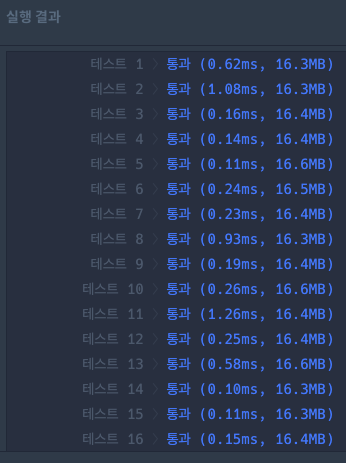
결과

이유있는 코드를 쓰자!!