객체 지향 설계
SOLID 원칙
-
단일 책임 원칙
SRP(Single Responsibility Principle)- 하나의 클래스는 하나의 책임만 가져야 한다.
- 클래스는 한 가지 기능에 집중해야 하며, 그 외의 기능을 담당하지 않아야 한다.
- 하나의 클래스는 하나의 책임만 가져야 한다.
-
개방 폐쇄 원칙
OCP(Open Closed Principle)
소프트웨어 요소는 확장에는 열려있어야 하고, 수정에는 닫혀있어야 한다.
새로운 기능을 추가할 때 기존 코드를 수정하지 않고, 확장할 수 있도록 설계해야 한다.- 다형성을 활용하여 해결한다.
- 인터페이스를
implements하여 구현한 새로운 클래스를 만들어서 새로운 기능을 구현한다.
- 인터페이스를
public interface Shape {
    double calculateArea();
}

public class Circle implements Shape {
    public double calculateArea() { return /* 원의 넓이 계산 */; }
}

public class Square implements Shape {
    public double calculateArea() { return /* 사각형의 넓이 계산 */; }
}

public class AreaCalculator {
    public double calculate(Shape shape) {
        return shape.calculateArea();
    }
}
새로운 도형이 추가되더라도 인터페이스를 implements 하면 된다.
AreaCalculator 를 수정할 필요가 없다. - 다형성을 활용하여 해결한다.
-
문제점
// Circle을 계산하는 경우
public class Main {
        public static void main(String[]) {

                AreaCalculator areaCalculator = new AreaCalculator();
                Circle circle = new Circle();

                areaCalculator.calculate(circle);

        }
}

// Square를 계산하는 경우
public class Main {
        public static void main(String[]) {

                AreaCalculator areaCalculator = new AreaCalculator();
                // Circle circle = new Circle();
                Square square = new Square();

                areaCalculator.calculate(square);

        }
}
구현 객체를 변경(Circle → Square)하기 위해서는 해당 코드를 사용하는 클라이언트측의 코드를 변경해야 한다. (위 코드에서는 main 메서드)
👉 객체의 생성, 사용 등을 자동으로 설정해주는 ###가 필요하다.
-
리스코프 치환 원칙
LSP(Liskov Substitution Principle)- 자식 클래스는 언제나 부모 클래스를 대체할 수 있어야 한다.
- 부모 클래스를 사용하는 곳에서 자식 클래스를 사용해도 프로그램의 동작에 문제가 없어야 한다.
- 자식 클래스는 언제나 부모 클래스를 대체할 수 있어야 한다.
-
인터페이스 분리 원칙
ISP(Interface Segregation Principle)- 특정 클라이언트를 위한 인터페이스 여러 개가 범용 인터페이스 하나보다 낫다.
- 클라이언트는 자신이 사용하지 않는 메서드에 의존하지 않아야 한다.
- 즉, 하나의 큰 인터페이스보다는 여러 개의 작은 인터페이스로 분리해야 한다.
- 특정 클라이언트를 위한 인터페이스 여러 개가 범용 인터페이스 하나보다 낫다.
-
의존관계 역전 원칙
DIP(Dependency Inversion Principle)- 구체적인 클래스에 의존하지 말고, 인터페이스나 추상 클래스에 의존하도록 설계해야 한다.
// 알림 인터페이스(추상화)
interface Notifier {
    void send(String message);
}

// Email 알림 클래스
class EmailNotifier implements Notifier {
    @Override
    public void send(String message) {
        System.out.println("Email 알림: " + message);
    }
}

// SMS 알림 클래스
class SMSNotifier implements Notifier {
    @Override
    public void send(String message) {
        System.out.println("SMS 알림: " + message);
    }
}

// 알림 서비스 (높은 수준 모듈)
class NotificationService {
        // 추상화된 인터페이스에 의존
    private Notifier notifier;

    // 의존성 주입 (생성자를 통해 주입)
    public NotificationService(Notifier notifier) {
        this.notifier = notifier;
    }

    public void sendNotification(String message) {
            // notifier가 어떤 구현체인지 상관하지 않음
        notifier.send(message);
    }
}

public class Main {
    public static void main(String[] args) {
        // Email 알림을 사용
        Notifier emailNotifier = new EmailNotifier();
        NotificationService emailService = new NotificationService(emailNotifier);
        emailService.sendNotification("안녕하세요! 이메일 알림입니다.");

        // SMS 알림을 사용
        Notifier smsNotifier = new SMSNotifier();
        NotificationService smsService = new NotificationService(smsNotifier);
        smsService.sendNotification("안녕하세요! SMS 알림입니다.");
    }
}
- 필요한
Notifier객체를 외부에서 주입받는다.NotificationService는 어떤 알림 방식을 사용할지에 대한 세부 사항을 몰라도 되므로, 의존성이 약해진다.
👉Notifier객체를 사용하는 쪽에서 수정이 필요하다.
- 모듈간의 결합도를 낮추고 유연성과 확장성을 높일 수 있다.
✨ 객체 지향의 핵심은 "다형성"에 있다. 하지만 다형성 만으로는 OCP, DIP를 지킬 수 없다.
Spring과 객체 지향
Spring은 다형성 만으로는 해결하지 못했던 객체 지향 설계 OCP, DIP를 IOC, DI를 통해 가능하도록 만들어준다.
- Spring의 역할
- OCP, DIP 원칙을 지킬 수 있도록 도와준다.
- 코드의 변경 없이 기능을 확장할 수 있도록 만들어준다.
- 개발자가 마치 레고 블록을 조립하듯이 원하는 구성 요소를 손쉽게 교체하고 결합할 수 있도록 만들어준다.
💡 실무에서는 추상화 과정에서 비용(시간)이 발생하기 때문에 기능을 확장할 가능성이 없다면 구현 클래스를 직접 사용하고 추후 변경된다면 인터페이스로 리팩토링 한다.
Spring
Spring Container
📚 Spring으로 구성된 애플리케이션에서 객체(Bean)을 생성, 관리, 소멸하는 역할을 담당한다. 애플리케이션 시작 시, 설정 파일이나 Annotation을 읽어 Bean을 생성하고 주입하는 모든 과정을 컨트롤한다.
- Spring Container 의 역할
- 객체(Bean)를 생성 및 관리하고 의존성을 주입하는 역할을 담당한다.
- Spring Container를 사용하면 인터페이스에만 의존하는 설계가 가능해진다.
- OCP, DIP 준수
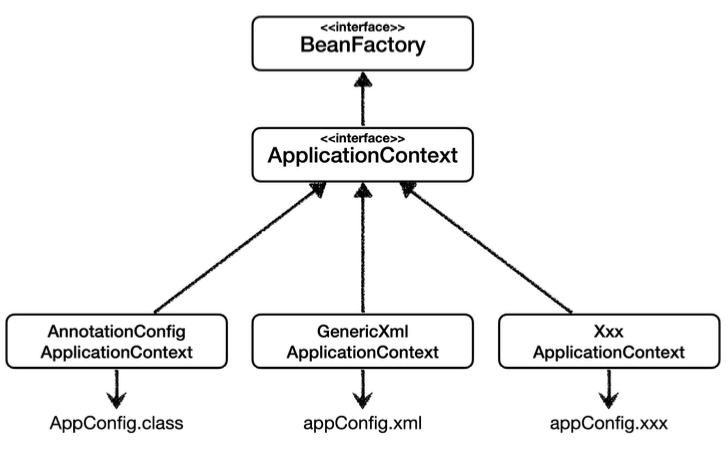
-
ApplicationContext를 스프링 컨테이너라 한다.- 더 정확히는 스프링 컨테이너를 부를 때 BeanFactory, ApplicationContext로 구분해서 이야기한다.
-
ApplicationContext는 인터페이스다.
//스프링 컨테이너 생성
ApplicationContext applicationContext =
new AnnotationConfigApplicationContext(AppConfig.class);
Spring Bean
Spring 컨테이너가 관리하는 객체를 의미한다. 자바 객체 자체는 특별하지 않지만, Spring이 객체를 관리하는 순간부터 Bean이 된다. Spring은 Bean을 생성, 초기화, 의존성 주입 등을 통해 관리한다.
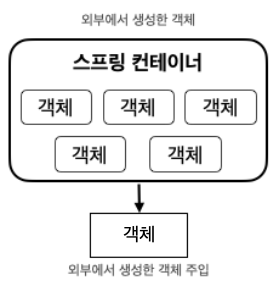
- Bean은 new 키워드 대신 사용한다.
- Spring Container가 제어한다.
Spring Bean의 특징
- Spring 컨테이너에 의해 생성되고 관리된다.
- 기본적으로 Singleton으로 설정된다.
- 의존성 주입(DI)을 통해 다른 객체들과 의존 관계를 맺을 수 있다.
- 생성, 초기화, 사용, 소멸의 생성주기를 가진다.
등록 방법
- XML, Java Annotation, Java 설정파일 등을 통해 Bean 등록
- Annotation
@ComponentScan
// 이 클래스를 Bean으로 등록
// @Controller, @Service, @Repository
@Component
public class MyService {
 	public void doSomething() {
 		System.out.println("Spring Bean 으로 동작");
 	}
}
IOC/DI
IoC(제어의 역전, Inversion of Control)
객체 생성과 관리 권한을 개발자가 아닌 Spring 컨테이너가 담당하는 것을 말한다. 기본적으로 개발자가 객체를 직접 생성하고 관리했지만, Spring 에서는 컨테이너가 객체 생성, 주입, 소멸을 관리한다.
- 객체의 생성 및 생명주기 관리를 개발자가 직접 하는 것이 아니라 컨테이너가 담당한다.
- 객체 간의 결합도를 낮춰 유연한 코드가 된다.
DI(의존성 주입, Dependency Injection)
Spring이 객체 간의 의존성을 자동으로 주입해주는 것을 의미한다. 한 객체가 다른 객체를 사용할 때, 해당 객체를 직접 생성하지 않고 Spring이 주입해주는 방식이다. IOC를 구현하는 방식 중 하나이다.
- new () ❌ → 생성하지 않는다.
정리
-
IoC는 객체의 제어권을 개발자가 아닌 Spring Container 에 넘기는 개념, Spring이 객체 생성과 관리를 담당한다.
-
DI는 Spring이 객체 간의 의존성을 자동으로 주입해주는 기법이다.
-
의존관계 주입은 객체 간의 결합도를 낮추고 코드의 유연성과 테스트 가능성을 높여준다.
Singleton Pattern
📚 클래스의 인스턴스가 오직 하나만 생성되도록 보장하는 디자인 패턴
싱글톤 패턴의 등장
- Web Application은 불특정 다수의 고객이 동시에 많은 요청을 보낸다.
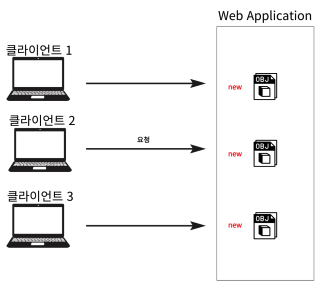
- 요청을 할 때 마다 객체가 새로 생성되고 처리가 완료되면 소멸된다.
- 메모리 낭비가 아주 심하다.
싱글톤 패턴 적용
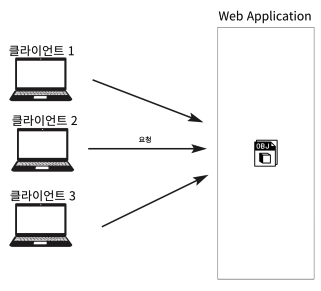
- 객체가 한번만 생성되어 리소스를 절약할 수 있다.
- Spring Bean은 싱글톤으로 관리되는 객체이다.
싱글톤 패턴의 주의점
- 상태 유지(stateful)의 문제점
- 데이터의 불일치나 동시성 문제가 발생할 수 있다.
public class MainApp {
    public static void main(String[] args) {
        // 클라이언트 1: 싱글톤 인스턴스를 가져와서 상태를 설정
        StatefulSingleton client1 = StatefulSingleton.getInstance();
        client1.setValue(42);
        System.out.println("클라이언트 1이 설정한 값: " + client1.getValue());

        // 클라이언트 2: 동일한 싱글톤 인스턴스를 사용해 상태를 변경
        StatefulSingleton client2 = StatefulSingleton.getInstance();
        client2.setValue(100);
        System.out.println("클라이언트 2가 설정한 값: " + client2.getValue());

        // 클라이언트 1이 다시 값을 확인
        System.out.println("클라이언트 1이 다시 확인한 값: " + client1.getValue());
    }
}
클라이언트 1이 설정한 값: 42
클라이언트 2가 설정한 값: 100
클라이언트 1이 다시 확인한 값: 100
value필드는 공유되는 필드인데, 특정 클라이언트가 값을 변경한다.- Spring Bean은 항상 무상태(stateless)로 설계를 해야한다.
- 특정 클라이언트에 의존적인 필드가 있거나 변경할 수 있으면 안된다.
🤔 불특정 다수의 클라이언트(Thread)가 하나의 Controller(Bean)를 공유하는 것이 가능한가?
-
Controller 객체 하나를 생성하면 객체 자체는 Heap에 작성되지만, 해당 class 정보는 Method 영역에 저장된다. 즉, 모든 쓰레드에서 객체의 Binary Code 정보를 공유할 수 있다.
→ 공유되는 정보를 사용하기 위해여 Controller 를 사용하고 있는 쓰레드나 Controller 객체가 Block될 필요는 없다. -
Controller가 내부적으로 상태를 갖는 것이 없으니, 메소드 호출만 하면 되기 때문에 굳이 동기화할 필요가 없다.
Spring Bean 등록
@ComponentScan
📚 Spring이 특정 패키지 내에서 @Component , @Service , @Repository , @Controller 같은
Annotation이 붙은 클래스를 자동으로 검색하고, 이를 Bean으로 등록하는 기능이다. 개발자가
Bean을 직접 등록하지 않고도 Spring이 자동으로 관리할 객체들을 찾는다.
@SpringBootApplication
SpringBoot 프로젝트를 생성하면 main() 메서드가 있는 클래스 상단에 @SpringBootApplication 어노테이션이 존재한다.
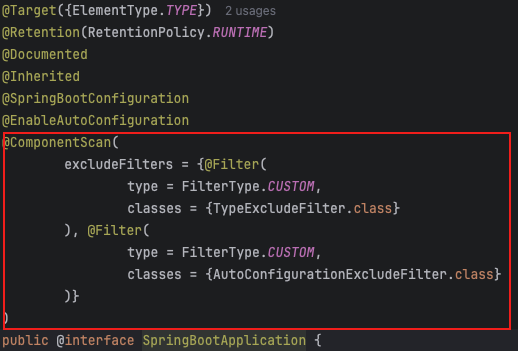
- ComponentScan의 동작순서
- Spring Application이 실행되면
@ComponentScan이 지정된 패키지를 탐색한다. - 해당 패키지에서
@Component또는 어노테이션이 붙은 클래스를 찾는다. - 찾은 클래스를 Spring 컨테이너에 Bean 으로 등록한다.
- 등록된 Bean은 의존성 주입(DI)와 같은 방식으로 다른 Bean과 연결된다.
의존관계 주입
📚 의존관계 주입을 하는 방법으로 생성자 주입, setter 주입, 필드 주입, 메서드 주입 총 4가지 방법이 존재한다.
생성자 주입
- 생성자를 통해 의존성을 주입하는 방법
- 최초에 한번 생성된 후 값이 수정되지 못한다. (불변, 필수)
@Service
public class ScheduleServiceImpl implements ScheduleService {

    private final ScheduleRepository scheduleRepository;
    private final UserRepository userRepository;

    public ScheduleServiceImpl(ScheduleRepository scheduleRepository, UserRepository userRepository) {
        this.scheduleRepository = scheduleRepository;
        this.userRepository = userRepository;
    }
    // ...
}
생성자 주입을 선택하는 이유
- 불변(immutable)
- 어떤 요리(Web Application)를 만들지 정해졌다면 이미 재료(Bean)와 의존 관계가 결정된다.
- 객체를 생성할 때 최초 한번만 호출된다.(불변)
@RequiredArgsConstructor
📚 실제 Web Application을 개발하면 대부분이 불변 객체이고 생성자 주입 방식을 선택하게 된다. 이런 반복되는 코드를 편안하게 작성하기 위해 Lombok에서 제공하는 Annotation 이다.
@Service
@RequiredArgsConstructor
public class ScheduleServiceImpl implements ScheduleService {

    private final ScheduleRepository scheduleRepository;
    private final UserRepository userRepository;
}