Glass vs. Plastic Bottles: The Eco-Friendly Choice for Newborns
Every year, millions of plastic bottles end up in landfills and oceans, leaving a toxic legacy for the very children we're trying to protect. For new parents, this reality hits especially close to home when standing in a store aisle, weighing a glass bottle in one hand and a plastic one in the other. The choice feels both personal and planetary.
Choosing the right feeding bottle for a newborn isn't just about convenience — it's one of the earliest opportunities to make a decision that reflects your values as a parent. With growing awareness around chemical exposure and environmental sustainability, more families are asking whether glass bottles offer a genuinely better alternative to their plastic counterparts.
This article cuts through the noise to give you a clear, honest comparison. We'll explore why eco-friendly parenting often begins with something as simple as a baby bottle, break down the real advantages of glass for newborn health and safety, examine the true cost of plastic, and walk you through practical steps to make the switch. We'll also cover how to find premium baby feeding products — often with free shipping — without stretching your budget.
Why Eco-Friendly Parenting Starts with Baby Bottles
Parenting is a series of choices, and the earliest ones often carry the most weight — not just for your child, but for the world they'll inherit. Sustainable parenting isn't a trend; it's a recognition that the products we bring into our homes have consequences far beyond the nursery. Baby bottles sit at the center of this conversation because few items see as much daily use in a newborn's first year. A single infant can go through six to eight feedings a day, meaning the bottle you choose becomes one of the most frequently used parenting essentials in your household.
That frequency matters environmentally. Plastic bottles that crack, stain, or wear out get replaced — and discarded. Multiply that across millions of families, and the cumulative waste becomes staggering. Eco-friendly parents are increasingly aware that choosing sustainable products from the start isn't just idealistic; it's practical. Selecting the right feeding bottle material is one of the most tangible ways to reduce your household's environmental footprint without sacrificing quality or safety.
The comparison between glass and plastic bottles goes beyond surface-level aesthetics. It touches on material science, chemical safety, long-term durability, and recyclability. Understanding these differences helps parents move past marketing language and make genuinely informed decisions. As we examine both options throughout this article, the goal is simple: give eco-conscious families the clarity they need to choose feeding products that align with their values and serve their newborn's best interests.
Glass Bottles: The Ultimate Eco-Friendly Choice for Newborns
When it comes to feeding a newborn, glass bottles stand out as the most sustainable and health-conscious option available. Unlike their plastic counterparts, glass bottles are made from natural materials — primarily silica sand — that don't degrade into microparticles or leach synthetic compounds into milk or formula. For eco-friendly parents prioritizing both safety and environmental responsibility, this distinction is fundamental. Glass is also infinitely recyclable, meaning a bottle that reaches the end of its useful life doesn't have to become landfill waste. It can be melted down and remade without any loss of material quality, a closed-loop benefit that plastic simply cannot match.
Durability is another compelling advantage. A well-maintained glass bottle for a newborn can last through multiple children, reducing the need for repeated purchases and cutting down on overall consumption. While the upfront cost tends to be higher than plastic, the long-term value is clear — fewer replacements, less waste, and a product that maintains its integrity over time. Glass doesn't absorb odors or stains from formula or breast milk, and it won't warp or cloud after repeated sterilizations, making it a consistently reliable feeding tool throughout the infant stage.
Health and Safety Advantages of Glass
Glass bottles eliminate one of the most persistent concerns in infant feeding: chemical exposure. Certain plastics, particularly older formulations, have been found to contain BPA (bisphenol A) and other endocrine-disrupting compounds that can migrate into food and liquid, especially when heated. Even BPA-free plastics may contain alternative chemicals whose long-term safety profiles remain under study. Glass carries none of these risks. It is chemically inert, meaning it won't react with the contents inside regardless of temperature. This thermal stability makes glass especially valuable for parents who warm bottles before feeding, as there's no risk of heat triggering any chemical release. For newborns whose systems are still developing, that purity of contact matters enormously.
Plastic Bottles: Weighing the Environmental and Health Impacts
Plastic bottles dominate the baby feeding market for understandable reasons. They're lightweight, shatter-resistant, and typically less expensive upfront — qualities that appeal to exhausted new parents juggling a dozen priorities at once. For families on tight budgets or those managing frequent travel, plastic's practicality is hard to dismiss entirely. But convenience comes with trade-offs that eco-conscious parents are increasingly unwilling to accept.
Environmentally, plastic presents a significant problem. Most baby bottles are made from polypropylene or similar polymers that take hundreds of years to break down. Unlike glass, plastic cannot be recycled indefinitely — each cycle degrades the material quality, and many plastic bottles ultimately end up in landfills or waterways. Microplastic contamination is now documented in soil, water, and even human tissue, raising questions about the cumulative impact of widespread plastic use on ecosystems and health.
From a health standpoint, the concerns are equally serious. Even plastics marketed as BPA-free may contain substitute compounds such as BPS or phthalates, which some research associates with hormonal disruption. Heat accelerates chemical migration, so sterilizing plastic bottles in boiling water or a microwave — common parenting practices — can increase the likelihood of these compounds entering your baby's milk. For newborns with developing endocrine and immune systems, repeated low-level exposure is a risk many parents no longer consider acceptable. When weighed against glass, plastic's short-term advantages simply don't offset its longer-term environmental and safety liabilities.
Practical Steps to Adopt Glass Bottles for Your Newborn
Switching to glass bottles doesn't have to be overwhelming. The transition is straightforward when approached with the right information, and the long-term payoff — for your child's health and the environment — makes the effort worthwhile. Parents who are new to glass often have the same initial concerns: breakage, weight, and cost. These are legitimate considerations, but each one has a practical answer.
Start by replacing bottles gradually rather than all at once. Purchase two or three glass bottles to use alongside your existing supply. This lets you get comfortable with handling and cleaning glass before committing fully. It also softens the upfront cost, which tends to be the biggest barrier for budget-conscious families. As plastic bottles wear out or show signs of degradation — clouding, scratching, or persistent odor — replace them with glass rather than buying new plastic.
To address breakage concerns, look for glass bottles that come with silicone sleeves. These protective covers cushion the bottle against drops, improve grip during feeding, and significantly reduce the risk of shattering. Many premium baby feeding products now include sleeves as standard, so you're not sacrificing aesthetics or functionality for safety.
Step-by-Step Guide to Choosing and Using Glass Bottles
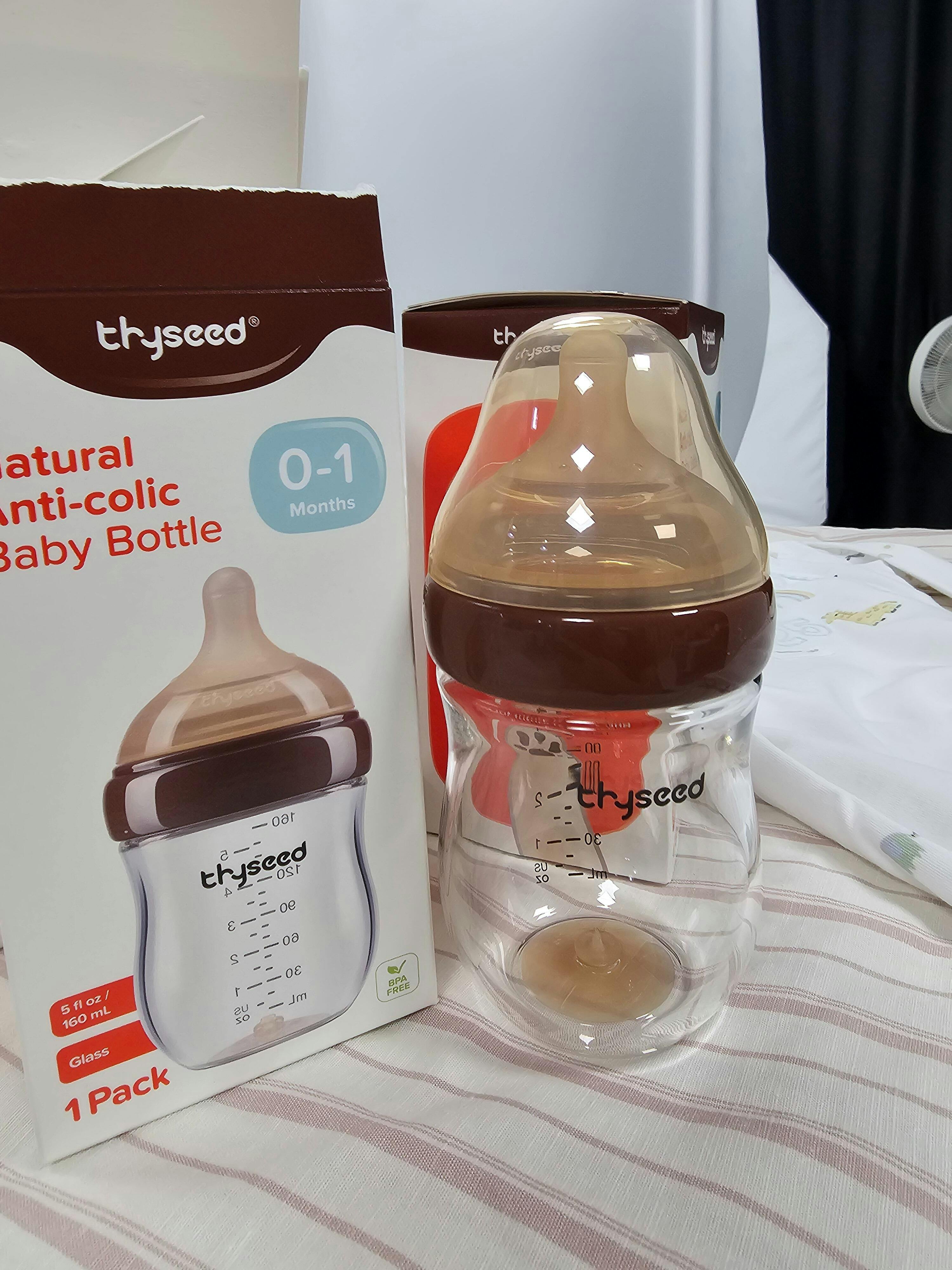
Choosing the right glass bottle involves more than picking a brand. First, research manufacturers with transparent sourcing and certifications confirming their glass is free from lead and other contaminants — reputable brands such as Thyseed will make this information readily available, reflecting a genuine commitment to infant safety rather than just marketing claims. Second, match bottle size to your baby's stage: smaller 4-ounce bottles suit newborns, while larger 8-ounce options work better as feeding volumes increase. Pay attention to nipple flow rate as well, since newborns require slow-flow nipples to prevent overfeeding and reduce gas.
Third, establish a safe handling routine from day one. Always place glass bottles on stable surfaces, avoid sudden temperature changes like moving a cold bottle directly into boiling water, and inspect bottles regularly for chips or cracks. A compromised bottle should be retired immediately. Fourth, clean glass bottles with a dedicated bottle brush using hot soapy water after every use, and sterilize by boiling or using a steam sterilizer — glass handles both methods without degrading, unlike plastic. Store clean bottles upright in a dry, covered container to prevent contamination between feedings.
Finding Quality and Value: Free Shipping and Premium Baby Feeding Products
Investing in glass bottles doesn't have to mean overspending. With the right approach to shopping, eco-conscious parents can access premium baby feeding products at prices that make sense for their household budget. The key is knowing where to look and what to prioritize when comparing options online.
Start with retailers that specialize in sustainable baby products — many carry curated selections of glass bottles with detailed sourcing information, customer reviews, and clear certifications. These platforms often run promotions that include free shipping on orders above a certain threshold, which meaningfully offsets the higher upfront cost of glass. Signing up for newsletters or loyalty programs with these retailers can give you early access to sales and exclusive discount codes worth bookmarking.
When comparing products, read reviews specifically from parents of newborns rather than general ratings. Look for feedback on durability, nipple compatibility, and how well the bottle holds up after repeated sterilizations. A premium baby feeding product should demonstrate consistent performance over months of use, not just in the first few weeks. Pay attention to whether silicone sleeves, extra nipples, or cleaning brushes are included, as bundled sets often deliver better overall value than purchasing components separately. Mother and infant brands like Thyseed have built their reputations around exactly this kind of thoughtful, complete product design for families seeking safer feeding solutions.
Major online marketplaces frequently offer free shipping on glass bottle sets, particularly from established brands with strong sustainability credentials. Comparing two or three retailers before purchasing takes only a few minutes and can result in meaningful savings. Buying in small sets rather than individual bottles also tends to reduce per-unit cost while giving you enough supply to maintain a consistent feeding routine without scrambling between washes.
Making the Switch to Glass: A Healthier Start for Your Newborn
The choice between glass and plastic bottles is ultimately a reflection of what you want for your child and the world they'll grow up in. Glass bottles offer a genuinely safer, more sustainable path — free from the chemical uncertainties that accompany plastic, built to last through years of daily use, and fully recyclable at the end of their life. For eco-friendly parents, that combination of health benefits and environmental responsibility is difficult to argue against.
Throughout this article, we've seen that the advantages of glass extend well beyond the bottle itself. They touch on reduced household waste, lower long-term spending, and the peace of mind that comes from feeding your newborn with a material that's chemically inert and thoroughly tested by time. The practical steps to make the switch are manageable, the safety concerns around breakage are addressable, and the value of premium baby feeding products becomes clear when measured against repeated plastic replacements.
Now is a great time to take that first step. Browse reputable online retailers offering eco-friendly glass bottle sets — many include free shipping on qualifying orders, making the transition more affordable than you might expect. Start with a small set, get comfortable with the routine, and let your choices in these early months set the tone for the kind of parent — and the kind of household — you want to build.
