Orthopedic vs. Memory Foam Pet Beds: Which One Suits Your Pet?
Every pet owner shares the same heartfelt goal: ensuring their beloved companion enjoys the best possible comfort and care. Yet when it comes to selecting the right bed, particularly for aging pets or those facing health challenges, the decision can feel overwhelming. Should you invest in an orthopedic bed or opt for memory foam? While both options promise superior support compared to standard pet beds, they serve distinct purposes and offer different benefits. Orthopedic beds focus on foundational joint support and weight distribution, while memory foam provides personalized contouring comfort. This article cuts through the confusion surrounding these two popular bed types, breaking down their unique features, benefits, and ideal uses. By the end, you'll have a clear framework for making a confident, informed decision that truly serves your furry friend's specific needs and enhances their quality of life for years to come.
Understanding Your Pet's Needs: The First Step to Choosing a Pet Bed
The "best" pet bed isn't a one-size-fits-all solution—it's the one that aligns perfectly with your individual pet's unique requirements. Before comparing orthopedic versus memory foam options, you need to conduct a thorough assessment of your furry companion. Start by considering your pet's age: senior pets typically require more joint support than energetic puppies or kittens, while middle-aged adults may need preventative cushioning. Size and weight play crucial roles too, as larger breeds place significantly more pressure on their joints and need beds with greater weight distribution capabilities. Existing health conditions are perhaps the most critical factor—pets with arthritis, hip dysplasia, or recovering from surgery demand specialized support that standard beds simply cannot provide. Don't overlook sleeping style either: does your pet curl into a tight ball, sprawl out completely, or burrow under blankets? Each habit suggests different bed features. Finally, anxious pets may benefit from beds that provide a sense of security through contouring or bolstered edges. By honestly evaluating these factors, you create a clear profile of what your pet actually needs, transforming an overwhelming decision into a targeted search for the perfect match.
What Are Orthopedic Pet Beds? A Deep Dive into Support
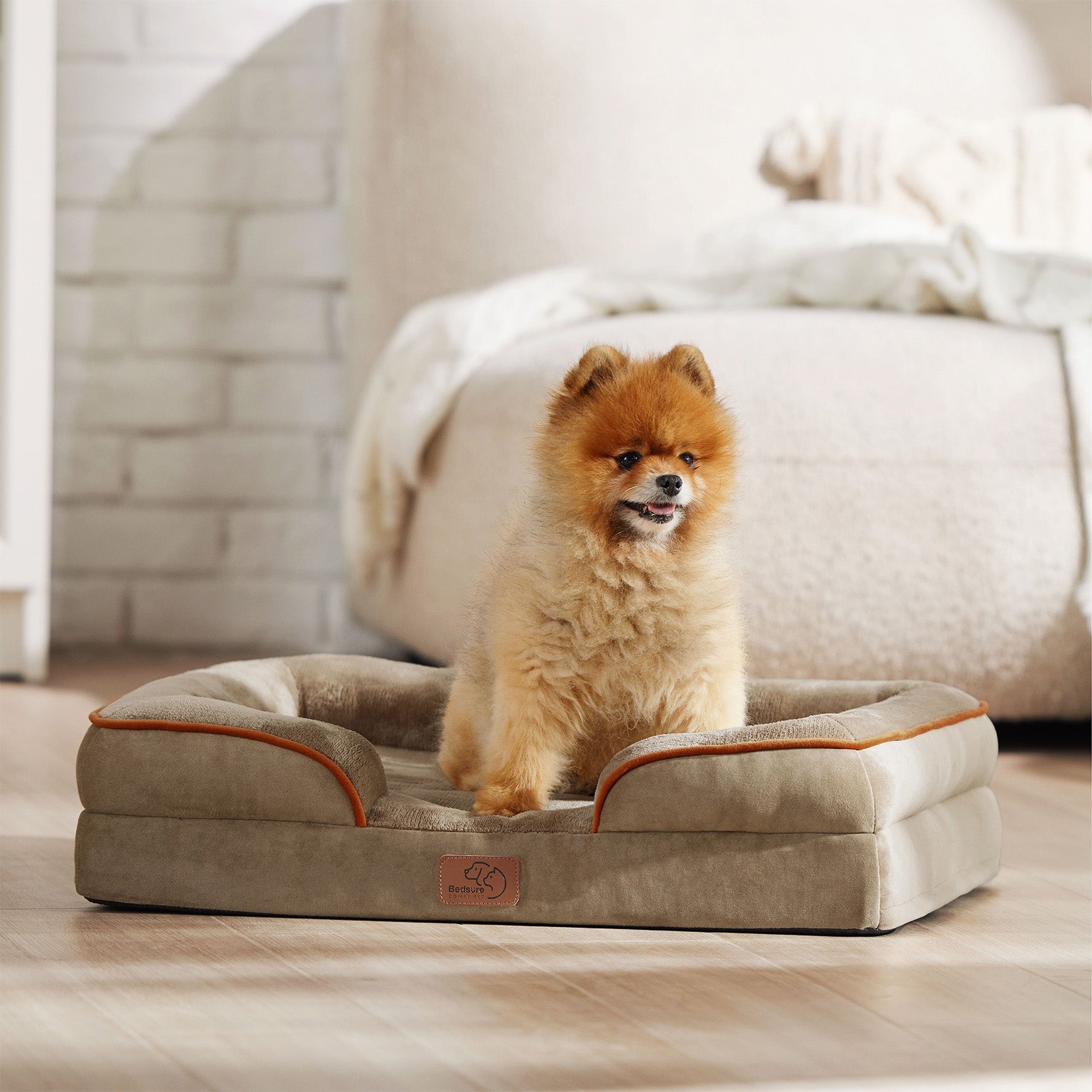
An orthopedic pet bed earns its name through specialized construction designed specifically to support your pet's musculoskeletal system. At its core, these beds utilize high-density foam—typically medical-grade polyurethane foam with a density of at least 3-5 pounds per cubic foot—engineered to distribute your pet's weight evenly across the sleeping surface rather than allowing pressure to concentrate on vulnerable joints. This fundamental design principle delivers measurable benefits: reduced stress on hips, elbows, and spine, significant pain relief for arthritic pets, and improved sleep quality through sustained comfort throughout the night. Large and giant breed dogs benefit enormously from this weight distribution, as their substantial body mass creates intense pressure points on standard beds. Senior pets experiencing natural joint deterioration find orthopedic beds transformative for their daily mobility and overall well-being. Beyond basic foam slabs, orthopedic beds come in various constructions including egg-crate or convoluted foam that enhances airflow and pressure relief, layered foam systems combining different densities for graduated support, and reinforced edge designs that prevent sagging over time. The outer construction matters equally: quality orthopedic beds feature durable covers made from canvas, microfiber, or heavy-duty polyester blends that withstand scratching and nesting behaviors. Most incorporate removable, machine-washable covers with sturdy zippers, while premium models include waterproof inner liners protecting the foam core from accidents—a critical feature for incontinent senior pets. This combination of therapeutic foam technology and practical, cleanable design makes orthopedic beds the gold standard for pets requiring genuine joint support.
Ideal Candidates for an Orthopedic Pet Bed
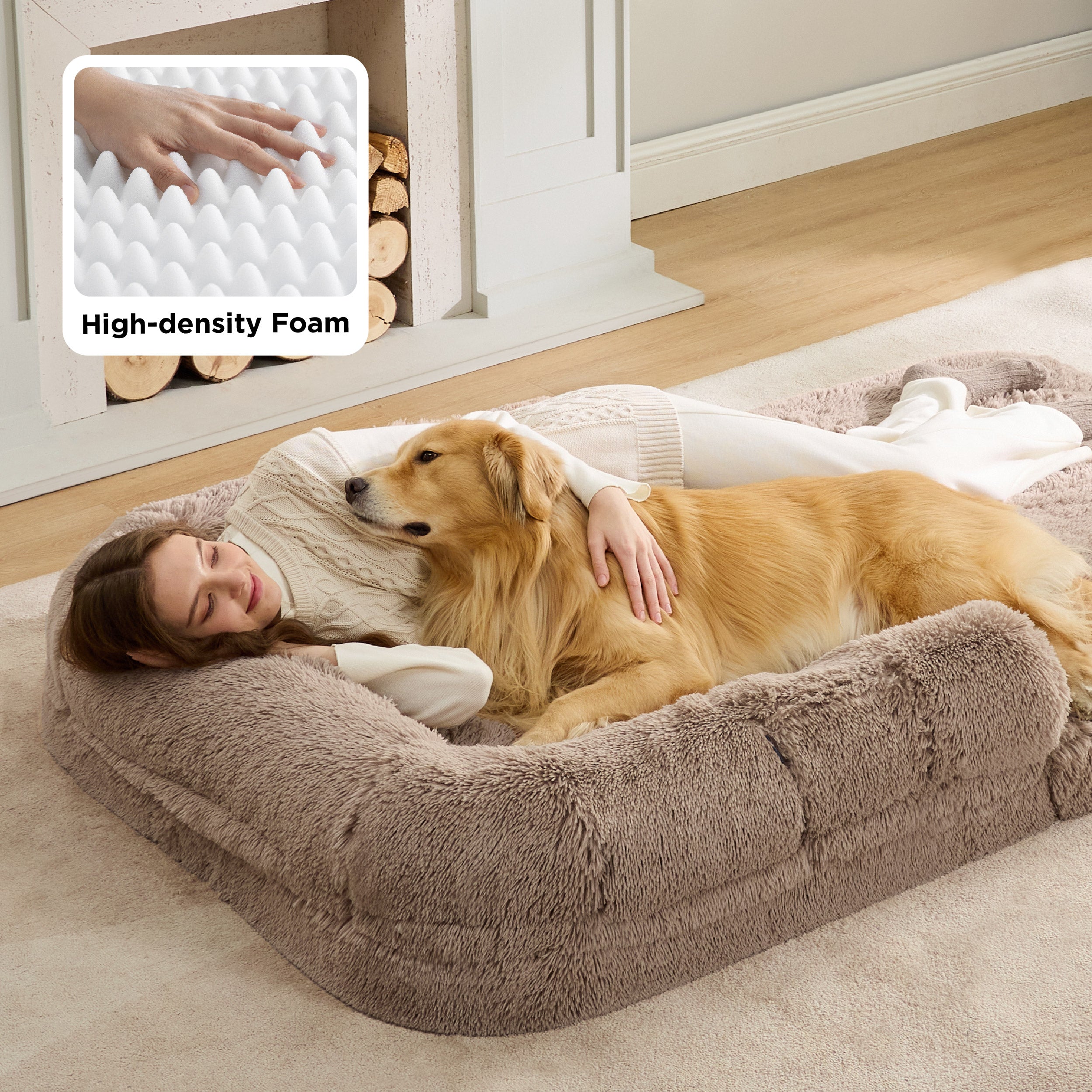
Certain pets experience dramatic quality-of-life improvements with orthopedic beds. Senior dogs and cats over seven years old naturally develop joint stiffness and appreciate the supportive cushioning that eases morning mobility. Large or giant breed dogs—including Great Danes, Mastiffs, German Shepherds, and Golden Retrievers—face disproportionate joint stress due to their size and should transition to orthopedic support even before symptoms appear. Pets with diagnosed conditions like arthritis, hip dysplasia, elbow dysplasia, or degenerative joint disease require the pressure-relieving properties only high-density foam provides. Overweight pets carrying excess pounds place additional strain on their skeletal system, making proper support essential for preventing further deterioration. Finally, any pet recovering from orthopedic surgery, ACL repair, or injury benefits from the stable, firm foundation that promotes proper healing and prevents re-injury during the critical recovery period.
Memory Foam Pet Beds Explained: Contouring Comfort
Memory foam represents a specific category within the broader world of supportive pet beds, and understanding this distinction prevents confusion when shopping. While many orthopedic beds utilize memory foam, not all orthopedic beds contain it, and not all memory foam beds qualify as truly orthopedic. The defining characteristic of memory foam—originally developed by NASA for astronaut seating—lies in its viscoelastic properties that respond dynamically to body heat and pressure. When your pet settles onto a memory foam surface, the material softens and molds precisely to their body contours within moments, creating a custom cradle that mirrors their exact shape. This responsive contouring delivers exceptional pressure point relief by eliminating gaps between the pet's body and the bed surface, ensuring no single area bears disproportionate weight. Pets who toss and turn frequently often sleep more soundly on memory foam because the material continuously adapts to each position change, maintaining consistent support throughout the night. This cradling sensation also produces a calming effect, which explains why many anxiety-reducing pet beds incorporate memory foam as a key component. The material naturally returns to its original shape once your pet rises, ready for the next rest period. Temperature sensitivity does present considerations: traditional memory foam can retain body heat, potentially uncomfortable for thick-coated breeds or warm climates. Manufacturers have addressed this through innovations like gel-infused memory foam, which incorporates cooling gel beads that draw heat away from the body, and open-cell memory foam structures that enhance breathability and airflow. Some premium beds layer memory foam atop high-density support foam, combining the contouring comfort of memory foam with the foundational stability of orthopedic construction for comprehensive support.
When to Choose a Memory Foam Pet Bed
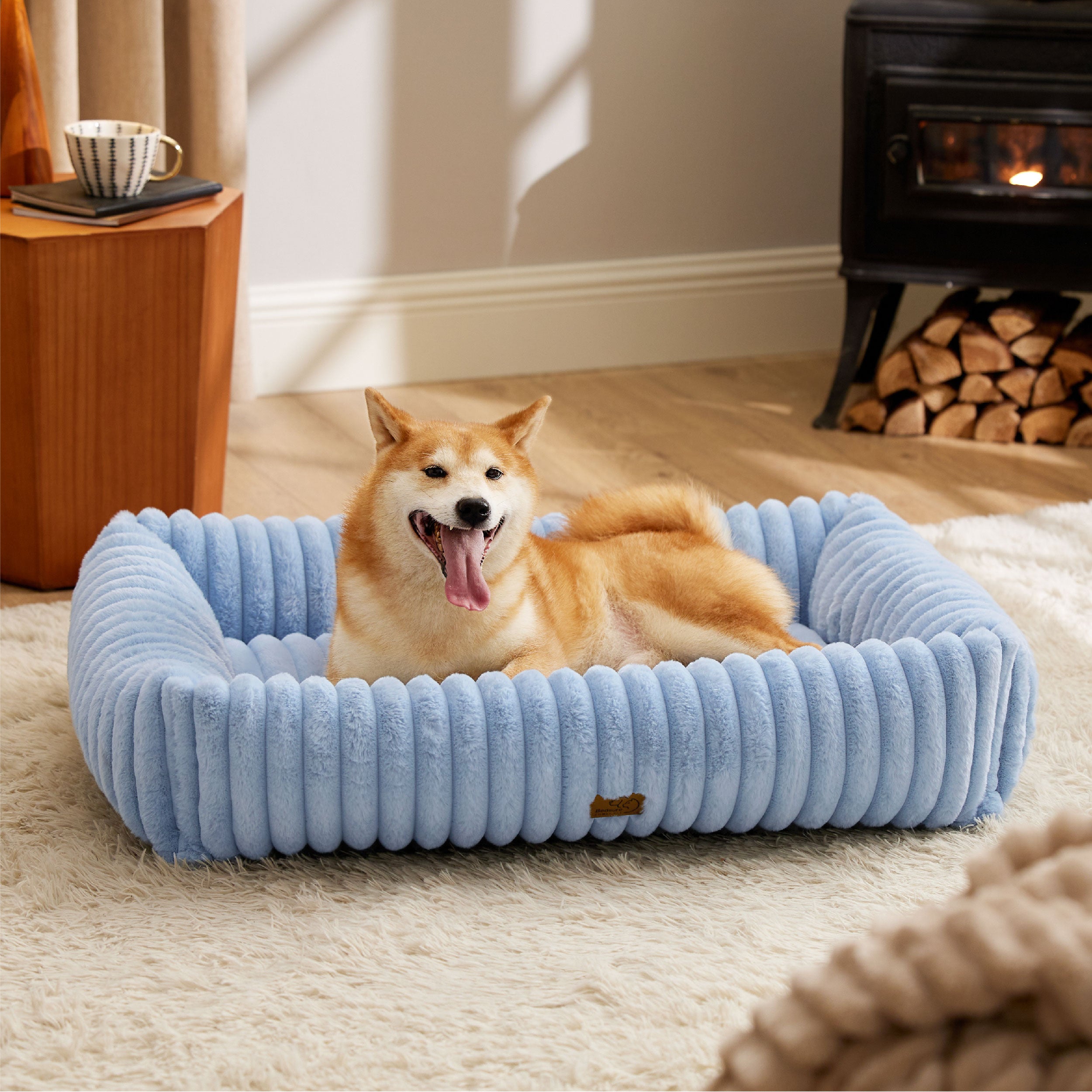
Memory foam beds shine in specific circumstances where their unique properties address particular pet needs. Pets requiring deep, targeted pressure relief—such as those with localized pain or sensitive pressure points—benefit from memory foam's ability to eliminate hard contact surfaces entirely. Light sleepers or restless pets who frequently change positions throughout the night often experience dramatically improved sleep quality with memory foam's continuous adaptive support. Pets who instinctively seek soft, enveloping spaces and enjoy the sensation of "sinking in" to their bed find memory foam's cradling nature psychologically comforting. Consider memory foam as a premium component in high-end orthopedic beds when your pet needs both the foundational joint support of high-density foam and the personalized contouring that memory foam uniquely provides, creating a comprehensive sleep solution that addresses multiple needs simultaneously.
Orthopedic vs. Memory Foam: Direct Comparison and Decision Guide
Understanding the nuanced differences between orthopedic and memory foam beds requires examining them side-by-side across critical decision factors. The primary goal distinguishes them most clearly: orthopedic beds prioritize foundational joint support and weight distribution to prevent pain and deterioration, while memory foam beds emphasize contouring comfort that adapts to your pet's body shape for personalized pressure relief. When considering who benefits most, orthopedic beds excel for aging pets, those with diagnosed joint conditions, large breeds, and post-surgical recovery cases where firm, stable support prevents further damage. Memory foam beds serve pets experiencing anxiety or restlessness, those requiring targeted pressure point relief, and animals who psychologically prefer enveloping, nest-like sleeping surfaces. The physical feel differs substantially: orthopedic beds typically provide firm, resilient support that maintains structural integrity under weight, preventing your pet from sinking excessively, whereas memory foam offers a softer, cradling sensation where your pet gradually settles into a customized impression. Temperature regulation presents another consideration—standard orthopedic foam generally sleeps cooler and allows better airflow, making it suitable for thick-coated breeds or warm climates, while traditional memory foam can retain body heat, though gel-infused or open-cell versions mitigate this concern. Price points vary widely, with basic orthopedic beds starting at moderate prices and memory foam beds commanding premium pricing, especially those combining both technologies. To make your decision, follow this practical framework: First, revisit your pet's assessment from earlier—age, weight, health conditions, and sleeping preferences. Second, match your pet's primary need to the corresponding bed strength: joint support and pain prevention point toward orthopedic, while comfort-seeking behavior and anxiety suggest memory foam. Third, evaluate secondary practical factors including your climate, your pet's coat thickness, your budget constraints, and your cleaning preferences—beds with removable, machine-washable covers and waterproof liners dramatically simplify maintenance and extend lifespan. Fourth, recognize that premium hybrid beds combining high-density orthopedic foam bases with memory foam top layers deliver comprehensive benefits for pets with complex needs, justifying higher investment for maximum therapeutic value. Finally, commit to your choice confidently, knowing you've systematically addressed your pet's specific requirements rather than following generic recommendations.
Key Features to Look For in a Quality Supportive Pet Bed
Regardless of whether you choose orthopedic or memory foam, certain universal features separate exceptional beds from mediocre ones and directly impact both longevity and practicality. Foam density and thickness form the foundation of any supportive bed—look for foam density of at least 3-5 pounds per cubic foot and total thickness of 4-7 inches for medium to large dogs, ensuring the bed won't compress flat within months. The cover quality determines how well your investment withstands daily use: prioritize removable covers with heavy-duty zippers that you can machine-wash in cold water and tumble dry on low heat, ideally constructed from durable fabrics like canvas, microfiber, or reinforced polyester that resist scratching and chewing. A waterproof or water-resistant inner liner proves invaluable for protecting the foam core from accidents, spills, and moisture—this single feature can extend your bed's lifespan by years, especially for senior pets experiencing incontinence or puppies still mastering house training. Non-slip bottoms prevent the bed from sliding across hardwood or tile floors when your pet jumps on or off, reducing injury risk and keeping the bed positioned where you place it. Many reputable brands like Bedsure Home incorporate these practical features into their pet bed designs, offering machine-washable covers and waterproof liners that make long-term maintenance realistic for busy pet owners. Finally, consider whether bolsters or raised edges would benefit your pet: these features provide supportive pillows for head and neck positioning, create a sense of security for anxious pets, and give sprawlers something to lean against. By insisting on these practical features, you ensure your chosen bed delivers lasting value while remaining genuinely easy to maintain through regular washing and daily use.
Making the Right Choice for Your Pet's Comfort
The choice between orthopedic and memory foam pet beds ultimately comes down to understanding one fundamental distinction: orthopedic beds provide firm, foundational joint support through high-density foam that distributes weight evenly, while memory foam beds deliver personalized contouring comfort that adapts to your pet's unique body shape. These categories overlap significantly—many premium orthopedic beds incorporate memory foam layers to combine both benefits—but their primary purposes differ. Your decision should rest squarely on your pet's specific profile: age, weight, diagnosed health conditions, sleeping habits, and comfort preferences. Use the comparison framework and step-by-step guide provided in this article as your practical roadmap, systematically matching your pet's assessed needs to the corresponding bed strengths rather than relying on generic recommendations. Remember that investing in the right supportive bed isn't merely about comfort—it's a meaningful intervention that can reduce pain, improve mobility, enhance sleep quality, and genuinely extend your beloved companion's active, happy years. Armed with this knowledge, you can now approach your purchase with confidence, knowing you're making an informed decision that will deliver measurable benefits to your pet's daily well-being and your own peace of mind for years to come.
