Best Autoclaves for Dental Clinics: Class B vs Class N Explained (Without the Confusion)
Let’s be honest — no one opens a dental clinic excited about buying an autoclave. But once you start practicing, you quickly realise that sterilization is the backbone of your clinic.
And that’s where the confusion usually starts.
Sales reps throw around terms like Class B, Class N, vacuum cycles, standards — and you’re left wondering:
“Do I really need an expensive autoclave, or will a basic one do the job?”
If you’ve asked yourself that question, this blog is for you. Let’s break it down simply, practically, and without jargon.
Why Autoclaves Matter More Than We Admit
Every patient trusts that the instruments going into their mouth are 100% safe. Beyond trust, sterilization is also about:
- Infection control
- Legal compliance
- Your clinic’s reputation
One sterilization lapse can undo years of goodwill. So choosing the right autoclave isn’t a small decision — it’s a foundational one.
What Exactly Does a Dental Autoclave Do?
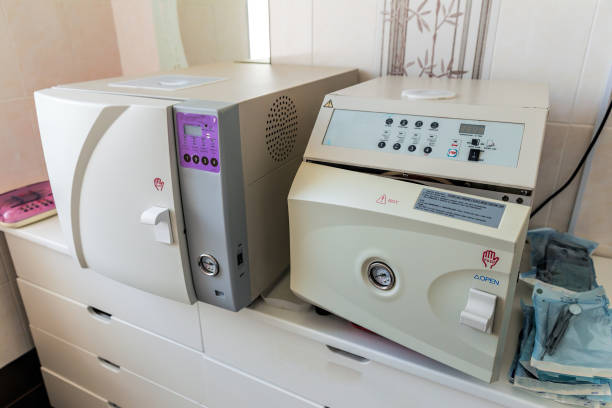
A dental autoclave uses steam under pressure to kill microorganisms — bacteria, viruses, spores, everything.
But here’s the catch:
👉 Not all autoclaves sterilize all instruments equally.
That’s why autoclaves are classified — and in dental clinics, the debate usually comes down to Class B vs Class N.
Class B Autoclaves: The “Do-It-All” Option
What Is a Class B Autoclave (In Simple Words)?
A Class B autoclave uses a vacuum system to remove air from the chamber before steam enters. Why does that matter?
Because air pockets prevent proper sterilization — especially inside hollow instruments like handpieces.
Class B autoclaves make sure steam reaches every corner, inside and out.
What Can You Sterilize in a Class B Autoclave?
Pretty much everything:
- Handpieces and turbines
- Wrapped instruments
- Surgical kits
- Hollow and solid instruments
If it’s used in a dental clinic, Class B can handle it.
Why Most Modern Clinics Prefer Class B
- Complete peace of mind
- Suitable for advanced procedures and surgeries
- Meets international sterilization standards
- No need for multiple sterilization units
Who Should Definitely Choose Class B?
- Clinics doing implants or surgeries
- Multi-chair or high-patient-volume clinics
- Dentists who use handpieces daily
- Anyone planning to upgrade or expand in the future
Class N Autoclaves: Basic but Limited
What Is a Class N Autoclave?
A Class N autoclave works without a vacuum. Steam enters the chamber and pushes air out naturally.
Sounds fine — until you realise that this method doesn’t work well for complex instruments.
What Can It Sterilize?
- Solid, unwrapped instruments only
That’s it.
Where Class N Autoclaves Make Sense
- Small clinics with very basic procedures
- Situations where budget is extremely tight
- As a secondary or backup sterilizer
Where They Fall Short
- Not suitable for handpieces
- Not ideal for wrapped instruments
- Limited long-term use as clinics grow
Many dentists buy a Class N autoclave initially — and end up upgrading later.
So… Which Autoclave Should You Buy?
Here’s the straightforward answer most dentists won’t sugarcoat:
👉 If your clinic uses handpieces or does any surgical work, Class B is the safer choice.
A Class N autoclave may save money today, but it often leads to:
- Compromises in sterilization
- Additional purchases later
- Stress during inspections or audits
For New Clinic Owners
If budget allows, start with a Class B autoclave. It grows with your practice and saves you from upgrading too soon.
What Else to Look for When Buying an Autoclave
Beyond class type, always check:
- After-sales service availability
- Warranty and spare parts
- Cycle duration
- Chamber size suitable for your workload
A good autoclave should make your life easier, not add daily headaches.
Final Word
Sterilization isn’t where you cut corners — it’s where you build trust.
- Class B autoclaves offer complete, future-proof sterilization
- Class N autoclaves work only for very limited needs
Choose based on how you practice today — and how you plan to practice tomorrow.