네트워크 (Level 3)
문제설명
네트워크란 컴퓨터 간 정보 교환이 가능하도록 연결된 형태를 의미한다.
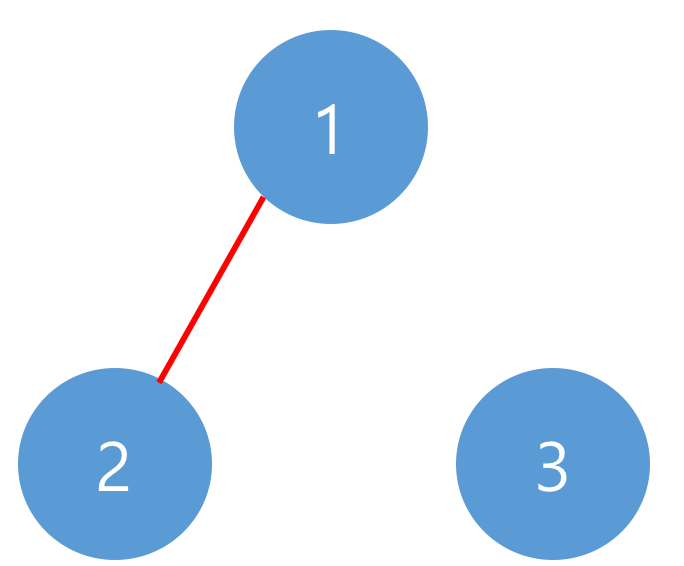
n대의 컴퓨터와 연결 정보가 인접 행렬 형태로 주어질 때,
총 몇 개의 네트워크(연결 요소)가 존재하는지 구하는 문제.
computers[i][j] = 1→ i번과 j번 컴퓨터가 직접 연결됨- 직접 연결뿐 아니라 경로를 통해 간접 연결되어도 같은 네트워크
| 입력 | 설명 |
|---|---|
| n | 컴퓨터의 개수 (1 ≤ n ≤ 200) |
| computers | 인접 행렬 (0/1) |
✍ 풀이
🔍 문제 해석
- 컴퓨터는 그래프의 노드
- 연결 관계는 간선
computers는 인접 행렬- 즉, 그래프에서 연결 요소 개수를 구하는 문제
🚀 풀이 방식 1 — BFS
인접 행렬을 기반으로 BFS로 연결된 컴퓨터들을 모두 방문하며
BFS가 시작된 횟수 = 네트워크 개수
🔑 핵심 로직
- 방문 배열
visited[]생성 - 0번부터 n-1까지 순회하며 방문하지 않은 컴퓨터를 발견하면
- 그 컴퓨터에서 BFS 실행
- BFS 한 번 = 네트워크 1개
- 모든 노드를 확인하면 네트워크 개수 완료
💡 코드
import java.util.*;

class Solution {

    boolean[] visited;

    public int solution(int n, int[][] computers) {
        int answer = 0;

        visited = new boolean[n];
        for(int i = 0; i<n; i++){
            if(!visited[i]) {
                answer++;
                bfs(i, n, computers);
            }
        }

        return answer;
    }

    public void bfs(int v, int size, int[][] map) {
        Queue<Integer> q = new LinkedList<>();
        q.offer(v);

        while(!q.isEmpty()) {
            int cur = q.poll();
            visited[cur] = true;

            for(int i = 0; i<size; i++){
                if(map[cur][i] == 1 && !visited[i]){
                    q.offer(i);
                }
            }
        }
    }
}
⚡ 풀이 방식 2 — Union-Find (Disjoint Set)
연결된 컴퓨터들을 하나의 집합으로 합치는 방식
🔑 핵심 로직
- 각 컴퓨터는 처음에 자기 자신만 소속
- computers[i][j] == 1이면 union(i, j)
- 모든 union 처리 후
- 대표 부모(root)가 서로 다른 개수 = 네트워크 개수
💻 코드
import java.util.*;

class Solution {

    int[] parents;
    HashSet<Integer> set = new HashSet<>();

    public int find(int a) {
        if(parents[a] == a) return a;
        return parents[a] = find(parents[a]);
    }

    public boolean union(int a, int b) {
        int aRoot = find(a);
        int bRoot = find(b);

        if(aRoot == bRoot) return false;

        parents[bRoot] = aRoot;
        return true;
    }

    public int solution(int n, int[][] computers) {

        parents = new int[n];
        for(int i = 0; i<n; i++){
            parents[i] = i;
        }

        for(int i = 0; i<n; i++) {
            for(int j = 0; j<n; j++) {
                if(i==j) continue;

                if(computers[i][j] == 1){
                    union(i, j);
                }
            }
        }

        for(int i = 0; i<n; i++) {
            set.add(find(i));
        }

        return set.size();
    }
}
📌 느낀점
- BFS는 구현이 직관적이고 이해하기 쉬움
- Union-Find는 연결 관계가 많은 그래프 문제에서 확장성/성능이 좋음
문제 1개를 두 가지 방식으로 풀어보면서
알고리즘 선택에 따라 코드 구조가 달라지는 경험을 할 수 있어 도움되었다.
출처 : 프로그래머스 코딩테스트 연습
https://school.programmers.co.kr/learn/courses/30/lessons/43162

Hello