How Mason Jar Specifications Ensure Proper Storage Capacity of Food
Introduction
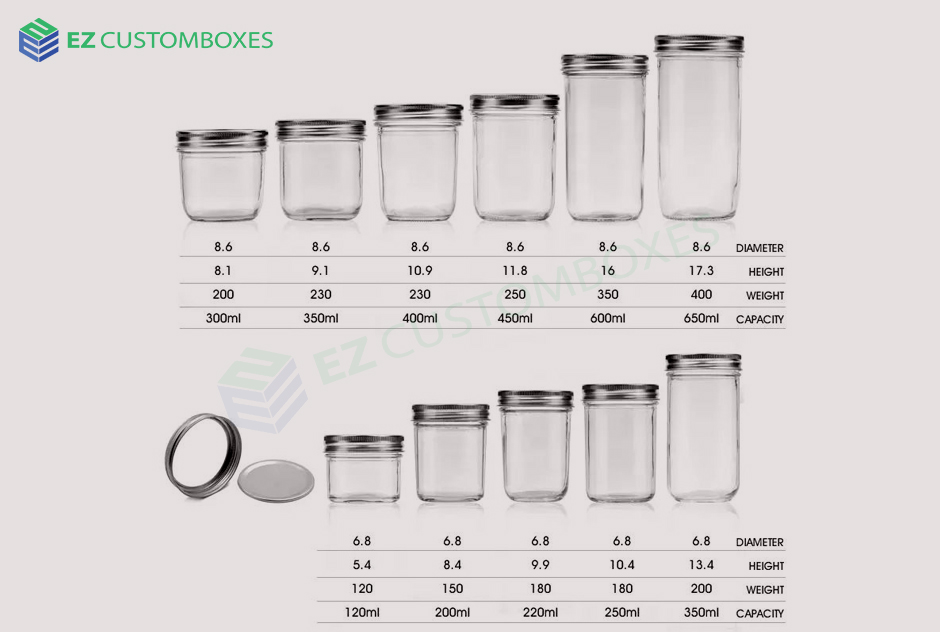
Proper food storage is essential for maintaining freshness, preventing waste, and organizing your kitchen. Mason jar specifications including size, shape, mouth type, and material play a critical role in determining how much food a jar can hold.
Understanding these specifications ensures you choose the right jar for the right purpose, whether for canning, pantry storage, or meal prep. In this guide, we’ll explore how mason jar measurements impact capacity and why this knowledge is crucial for every household.
What Are Mason Jar Specifications?
Mason jar specifications refer to the detailed characteristics of a jar, including:
-
Capacity (volume in ounces, milliliters, or liters)
-
Dimensions (height, diameter, and width)
-
Mouth type (regular vs wide mouth)
-
Material thickness and quality
-
Lid type and closure mechanism
Knowing these specs helps you select jars that fit your storage, cooking, or preservation needs precisely.
How Mason Jar Specifications Determine Food Storage Capacity
1. Capacity in Ounces and Milliliters
Every mason jar lists its maximum volume, which ensures you do not overfill. Typical capacities include:
-
Small mason jars 4 oz (120 ml) – small spices or condiments
- Medium mason jars 16 oz (480 ml) – medium storage, leftovers
-
Bulk mason jars 32 oz (960 ml) – bulk storage or soups
-
large mason jars 64 oz (1.9 liters) – large batches or dry goods
By matching the jar’s capacity to your food quantity, you avoid spillage, spoilage, or wasted space.
2. Dimensions and Shape
The height and diameter affect what can fit inside:
-
Tall, narrow jars – ideal for pickles or spaghetti
-
Short, wide jars – perfect for bulk items like grains, beans, or snacks
-
Shape affects stackability and shelf space efficiency
3. Mouth Type
-
Regular mouth jars – smaller openings, better for liquids
-
Wide mouth jars – easier for solids, scooping, and cleaning
Choosing the right mouth size ensures easy filling and retrieval, maximizing practical storage capacity.
4. Material and Durability
Glass thickness and quality affect how much weight the jar can handle. Heavy-duty glass jars can store:
-
Hot liquids
-
Fermented foods
-
Large quantities without risk of breaking
5. Lid Type and Seal
The lid and seal affect the usable capacity:
-
Airtight lids prevent air entry, extending shelf life
-
Mason jars with two-piece lids (ring + flat lid) are ideal for canning and vacuum sealing
-
Screw-on lids are great for dry storage
Tips to Maximize Food Storage Using Mason Jars
-
Label jars with capacity and contents
-
Choose the right mouth size for your food type
-
Stack jars carefully to save space
-
Do not overfill liquids to prevent leakage
-
Use uniform sizes for better organization
Frequently Asked Questions (FAQs)
What is the standard mason jar size for food storage?
Most common sizes are 8 oz, 16 oz, 32 oz, and 64 oz, depending on the type of food you want to store.
Can mason jars store liquids safely?
Yes, mason jars with airtight lids are ideal for liquids like sauces, soups, or juices.
Are wide mouth mason jars better for storage?
Wide mouth jars are easier to fill, scoop, and clean, making them ideal for solids or bulky items.
How do mason jar dimensions affect capacity?
Height, diameter, and shape determine how much food fits and how well jars stack on shelves.
Can mason jars be used for long-term storage?
Yes, when sealed properly, mason jars can preserve food for months, especially dry goods, jams, or pickled items.
Key Takeaway
Understanding mason jar sizes ensures you select the right jar for your food storage needs, preventing waste, maximizing shelf space, and keeping food fresh longer. Whether you’re canning, organizing your pantry, or meal prepping, the right jar makes all the difference.
Call-to-Action
📌 Upgrade your kitchen storage today! Check your mason jar specifications and choose jars that perfectly fit your pantry needs.