The Complete Guide to Air Conditioner Gas Refill: What Every Homeowner Should Know
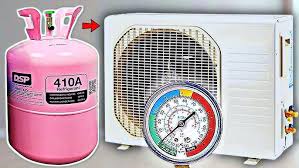
When your air conditioner starts blowing warm air or struggles to cool your room, low refrigerant—commonly called "AC gas"—is often the suspected culprit. But what exactly does an air conditioner gas refill involve, and when is it truly necessary? This comprehensive guide explains everything you need to know about AC refrigerant, the refilling process, and how to maintain your system's cooling efficiency.
Understanding AC Refrigerant: The Lifeblood of Your Cooling System
Air conditioners don't actually "consume" refrigerant like fuel. Instead, refrigerant is a chemical substance that circulates through your AC system in a closed loop, continuously changing from liquid to gas and back again to absorb and release heat. This cycle is what produces cool air in your home.
A properly sealed AC system should never need a regular "refill." The refrigerant level remains constant throughout the system's life—unless there's a leak. Think of it like the coolant in your car's radiator: it's a sealed system that only requires attention if something goes wrong.
When Does Your AC Actually Need a Gas Refill?
Because refrigerant doesn't get "used up," the only reason your AC would need a gas refill is if refrigerant has escaped due to a leak. Recognizing the warning signs early can prevent minor issues from becoming expensive repairs.
Common Signs of Low Refrigerant
Reduced Cooling Performance
This is often the first noticeable sign. Your AC runs longer cycles but your room never reaches the set temperature. The air coming from vents may feel slightly cool but not refreshingly cold.
Ice Formation on Copper Pipes or Coils
Low refrigerant causes the evaporator coil to get too cold, leading to frost or ice buildup. You might notice ice on the refrigerant lines where they enter your indoor unit. This ice can also cause water leaks when it melts.
Hissing or Bubbling Noises
If you hear unusual sounds coming from your AC unit—especially a hissing or bubbling noise—it could indicate refrigerant escaping from a leak point.
Higher Energy Bills
When refrigerant is low, your AC compensates by running longer and working harder. This increased runtime directly translates to higher electricity consumption and noticeable spikes in your DEWA bills.
Warm Air from Vents
In advanced cases, your AC may blow air that's barely cool or completely warm. This happens when there's insufficient refrigerant to absorb heat from your indoor air.
The Air Conditioner Gas Refill Process: What Professionals Do
A proper AC gas refill involves more than just connecting a refrigerant cylinder. Here's what qualified technicians typically do:
Step 1: System Inspection and Leak Detection
Before adding any refrigerant, professionals inspect your entire system for leaks. This may involve:
Visual inspection of all connections and coils
Using electronic leak detectors
Applying soap solution to suspected leak points
Adding UV dye to trace slow leaks
Step 2: Recovering Existing Refrigerant
If the system has the wrong refrigerant type or contamination, technicians safely recover and store the old refrigerant using specialized equipment.
Step 3: Repairing Identified Leaks
This is the critical step many skip. Simply refilling without fixing leaks means the new refrigerant will escape just as quickly. Common repairs include:
Tightening mechanical connections
Replacing damaged valve cores
Repairing or replacing leaking coil sections
Brazing cracks in copper tubing
Step 4: Evacuating the System
Using a vacuum pump, technicians remove air and moisture from the system. This creates the proper vacuum needed for the refrigerant to function correctly and prevents moisture damage to components.
Step 5: Precision Refrigerant Recharging
Using manifold gauges and manufacturer specifications, technicians add the exact amount and type of refrigerant your system requires. This is not a guessing game—overcharging is as harmful as undercharging.
Step 6: Performance Testing
After refilling, the system is run and tested to verify:
Proper cooling output
Correct pressure readings
No recurring leaks
Normal compressor operation
Types of Refrigerants Used in Air Conditioners
The type of refrigerant your AC uses depends on its age and manufacturer. Using the wrong type can severely damage your compressor.
Common Refrigerant Types
R-22 (Freon): Used in older AC units manufactured before 2010. This refrigerant is being phased out globally due to environmental concerns and is increasingly expensive and difficult to source.
R-410A (Puron): The most common refrigerant in modern AC systems. It's more environmentally friendly and operates at higher pressures than R-22.
R-32: A newer, single-component refrigerant gaining popularity in newer AC models for its efficiency and lower environmental impact.
R-134a: Often used in automotive AC systems and some older residential units.
Why Professional AC Gas Refill Matters
Attempting a DIY refrigerant refill or hiring unqualified technicians can lead to serious problems:
Incorrect Refrigerant Type
Using the wrong refrigerant can cause chemical reactions that destroy your compressor—the most expensive component to replace.
Improper Charging Amount
An overcharged system operates inefficiently and can suffer compressor damage. An undercharged system continues performing poorly and wastes electricity.
Unrepaired Leaks
Without fixing leaks, your new refrigerant will escape, and you'll face the same problem again—often within weeks.
Safety and Environmental Risks
Refrigerants are pressurized chemicals that can cause frostbite on contact or release harmful substances into the atmosphere if mishandled.
Voided Warranties
Improper service by uncertified individuals may void your manufacturer's warranty, leaving you unprotected against future failures.
How Often Should AC Gas Be Topped Up?
This is one of the most common questions homeowners ask. The answer depends entirely on your system's condition:
In a Leak-Free System: Never. A properly sealed AC system should maintain its refrigerant charge for its entire operational life—typically 10-15 years.
In Systems with Minor Leaks: The frequency depends on the leak rate. Some systems lose refrigerant slowly over years, while others may need attention annually.
After Repairs: When leaks are properly repaired and the system is correctly recharged, you shouldn't need another refill unless a new leak develops.
Maintenance Tips to Prevent Refrigerant Problems
While you can't prevent all refrigerant issues, regular maintenance significantly reduces your risks:
Schedule Annual Professional Inspections
Technicians can detect early signs of refrigerant loss during routine maintenance, addressing small issues before they become major problems.
Keep Outdoor Units Clean
Debris and dirt on condenser coils force your system to work harder, potentially increasing stress on components and connections.
Monitor System Performance
Pay attention to changes in cooling performance, unusual sounds, or ice formation. Catching problems early often means simpler repairs.
Check Insulation on Refrigerant Lines
Damaged or missing insulation on the large refrigerant line reduces efficiency and can indicate areas where leaks might develop.
Frequently Asked Questions About AC Gas Refill
Q: How much does AC gas refill cost in Dubai?
A: Costs vary based on refrigerant type, system size, and whether leak repairs are needed. R-410A refills typically cost less than the phase-out R-22. Always request an itemized quote before work begins.
Q: Can I add refrigerant myself using DIY kits?
A: This is strongly discouraged. DIY kits don't address leaks, often result in incorrect charging, and can be dangerous without proper training and equipment.
Q: How long does an AC gas refill service take?
A: A straightforward refill on a leak-free system may take 1-2 hours. If leak detection and repairs are needed, the service may take 3-4 hours or longer.
Q: Will a gas refill fix my AC if it's not cooling?
A: Only if the problem is actually low refrigerant. Other issues—like dirty filters, failed capacitors, or faulty compressors—can cause similar symptoms and require different solutions.
Q: Is refrigerant topped up or replaced completely?
A: In most cases, technicians add the amount needed to reach the correct level. If the refrigerant is contaminated or the wrong type, complete removal and replacement is necessary.
When to Call a Professional
If you notice any signs of low refrigerant, contacting qualified technicians promptly is the wisest approach. Delaying service allows leaks to worsen and can lead to compressor damage—transforming a relatively minor service into a major repair expense.
Professional technicians at Top AC Repair Dubai have the training, tools, and experience to properly diagnose refrigerant issues, perform accurate leak repairs, and recharge your system to manufacturer specifications. Their systematic approach ensures your AC is restored to optimal performance without guesswork or shortcuts.
Summary: Key Points to Remember
✓ AC refrigerant circulates in a sealed system and shouldn't need regular refills
✓ Low refrigerant always indicates a leak that must be found and repaired
✓ Warning signs include poor cooling, ice formation, and higher energy bills
✓ Professional service includes leak detection, repairs, and precision charging
✓ Using the correct refrigerant type and quantity is essential for system health
For reliable air conditioner gas refill service in Dubai, trust the experienced team at Top AC Repair Dubai. Their certified technicians follow industry best practices to ensure your cooling system operates efficiently and reliably throughout the year.