Lab-Grown Brilliance: The Tech Behind a More Ethical Jewelry Industry
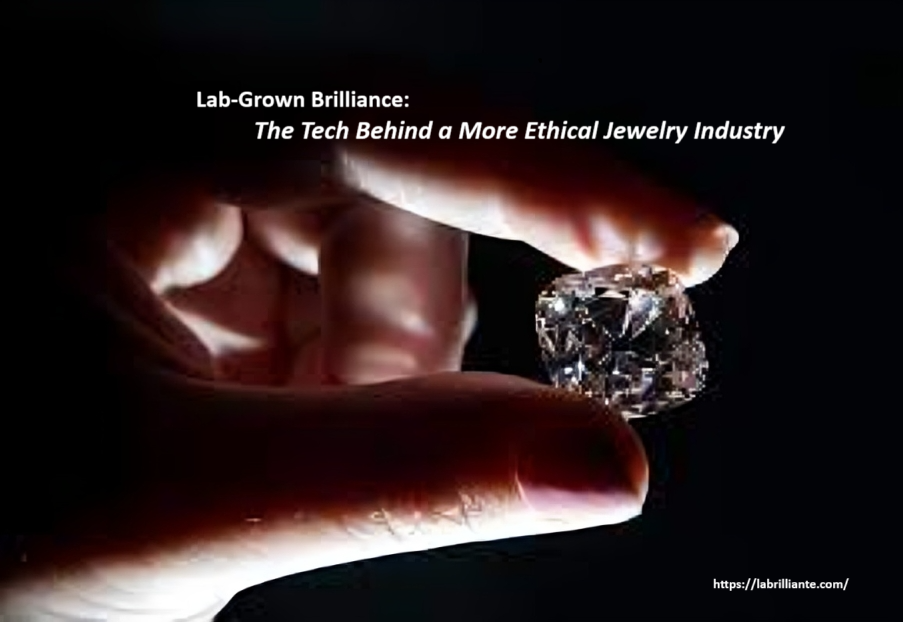
The convergence of advanced materials science and ethical consumerism is reshaping industries once thought immune to disruption. While fintech revolutionized banking and renewable energy transformed power generation, the jewelry sector---steeped in centuries of tradition---is experiencing its own technological renaissance. At the epicenter of this transformation lies a deceptively simple innovation: laboratory-grown diamonds that are chemically, physically, and optically identical to their mined counterparts, yet represent a fundamental shift in how we conceptualize luxury, sustainability, and technological progress.
The traditional diamond industry, built on the premise of geological scarcity and romantic mystique, now faces a paradigm challenge from precision engineering and controlled environments. This isn't merely about offering consumers an alternative---it's about leveraging technology to solve systemic problems that have plagued the industry for decades: environmental destruction, labor exploitation, and supply chain opacity.
The Science Behind Lab-Grown Diamonds
The technological foundation of laboratory-grown diamonds rests on two primary methodologies: Chemical Vapor Deposition (CVD) and High Pressure High Temperature (HPHT). Both processes replicate the natural conditions under which diamonds form, but in controlled laboratory environments that can be monitored, optimized, and scaled.
CVD technology involves placing a diamond seed in a vacuum chamber filled with carbon-rich gases, typically methane and hydrogen. When heated to approximately 800°C and activated by microwave plasma, these gases break down and carbon atoms deposit layer by layer onto the seed, growing a diamond crystal over several weeks. The precision of this process allows for unprecedented control over diamond quality and characteristics.
HPHT, meanwhile, mimics the deep-earth conditions where natural diamonds form by subjecting carbon to pressures exceeding 50,000 atmospheres and temperatures above 1,300°C. A small diamond seed is placed in a growth cell with carbon source material and subjected to these extreme conditions until a larger diamond crystallizes around the seed.
The sophistication of these processes has reached the point where even gemological institutes require specialized equipment to distinguish lab-grown diamonds from mined ones. This technological achievement represents decades of materials science advancement, computational modeling, and engineering refinement---hallmarks of the kind of innovation typically associated with semiconductor manufacturing or aerospace engineering.
Tech-Enabled Transparency
Perhaps more significant than the production technology itself is how digital innovation is transforming supply chain transparency in the jewelry industry. Blockchain technology, originally developed for cryptocurrency, is now being deployed to create immutable records of diamond provenance, cutting, and certification processes.
Lab-created diamond technology enables manufacturers to embed digital certificates directly into their production workflows, creating an unbroken chain of custody from laboratory to consumer. QR codes laser-inscribed on diamond girdles can link to blockchain records containing production data, certification details, and sustainability metrics---a level of traceability impossible with traditionally mined stones.
Advanced spectroscopy and machine learning algorithms further enhance verification processes. Photoluminescence spectroscopy can identify the unique optical signatures of individual diamonds, while AI-powered grading systems provide consistent, objective quality assessments. These technologies eliminate the subjectivity and potential for manipulation that has historically plagued diamond grading and certification.
The integration of Internet of Things (IoT) sensors in production facilities enables real-time monitoring of energy consumption, carbon emissions, and resource utilization. This data transparency allows both B2B partners and end consumers to make informed decisions based on measurable environmental impact rather than marketing claims.
Why Sustainable Luxury Is Smart Business
Market analytics reveal a fundamental shift in luxury consumption patterns, particularly among digitally native demographics. Research from Deloitte indicates that 73% of millennials are willing to pay premium prices for sustainable products, while McKinsey data shows that Gen Z consumers actively research brand sustainability practices before making purchasing decisions.
This demographic transition represents more than changing preferences---it signals a generational redefinition of value and status. For younger consumers, luxury increasingly means alignment with personal values rather than conspicuous consumption. The technological sophistication required to produce lab-grown diamonds---involving cutting-edge physics, chemistry, and engineering---appeals to consumers who appreciate innovation and scientific achievement.
From a B2B perspective, jewelry retailers and luxury brands face mounting pressure to demonstrate supply chain responsibility. Corporate sustainability reporting requirements, ESG investment criteria, and brand reputation risks make ethical sourcing not just preferable but essential for business continuity. Lab-grown diamonds offer a solution that addresses these concerns while maintaining product quality and profit margins.
The economics are equally compelling. Laboratory production eliminates the geographical and geological constraints that limit mined diamond supply, allowing for more predictable pricing and availability. This stability enables retailers to plan inventory more effectively and offer consumers better value propositions.
Case Example: Labrilliante
Labrilliante exemplifies how technology companies are reshaping the jewelry industry through innovation and transparency. Founded by materials scientists and business strategists, the company positions itself as an ethical jewelry supplier that leverages advanced manufacturing techniques to produce diamonds with superior environmental credentials.
What distinguishes Labrilliante in the B2B marketplace is their commitment to technological transparency. Rather than treating their production methods as trade secrets, they provide detailed technical specifications and sustainability metrics to wholesale partners. This openness enables jewelry brands to make informed sourcing decisions and communicate authentically with environmentally conscious consumers.
The company's quality assurance protocols exceed traditional industry standards, incorporating machine learning algorithms that can predict optimal growth conditions and identify potential defects before they impact final product quality. This technological sophistication translates into higher yields, reduced waste, and more consistent product specifications---critical factors for large-scale commercial partnerships.
Labrilliante's business model also demonstrates how technology companies can successfully enter traditional industries by focusing on innovation rather than attempting to replicate existing approaches. Their direct relationships with jewelry manufacturers, emphasis on custom specifications, and flexible production capabilities reflect modern B2B expectations rather than the rigid distribution networks that characterize traditional diamond trading.
The Broader Implications of Technological Disruption
The transformation occurring in the diamond industry reflects broader patterns of technological disruption across traditional luxury sectors. Just as electric vehicles challenged automotive orthodoxy and streaming services restructured entertainment distribution, lab-grown diamonds represent the application of modern manufacturing and quality control techniques to an ancient industry.
This shift demonstrates how advanced materials science can simultaneously address environmental concerns and economic inefficiencies. The precision control possible in laboratory environments enables optimization for multiple variables---quality, sustainability, cost, and scalability---in ways that geological processes cannot match.
The success of lab-grown diamonds also illustrates how consumer education and technological literacy can accelerate market acceptance of superior alternatives. As consumers become more sophisticated about materials science and manufacturing processes, they increasingly value technological innovation over traditional notions of rarity or exclusivity.
Technology as the New Luxury Standard
The emergence of lab-grown diamonds signals a fundamental recalibration of luxury values, where technological sophistication and ethical production become status symbols themselves. This evolution parallels transformations in other industries where informed consumers increasingly prefer products that represent human ingenuity and environmental responsibility over resource extraction and scarcity.
For businesses operating in traditional luxury sectors, the lesson is clear: technological innovation and sustainability are not just operational considerations but competitive advantages. Companies that embrace advanced manufacturing techniques, supply chain transparency, and environmental responsibility are positioned to capture market share from incumbents wedded to outdated practices.
The diamond industry's technological transformation provides a template for how other traditional sectors might evolve. By combining scientific innovation with ethical business practices, companies can create value propositions that appeal to both conscious consumers and pragmatic business partners.
As we advance into an era where artificial intelligence, biotechnology, and advanced materials increasingly define competitive advantage, the most successful luxury brands will be those that harness technology not just for efficiency but for creating entirely new definitions of value and desirability. The brilliance of lab-grown diamonds lies not just in their optical properties, but in their demonstration that the future of luxury will be built in laboratories, not extracted from the earth.
