Understanding Class I, II & III Biosafety Cabinets for Modern Laboratories
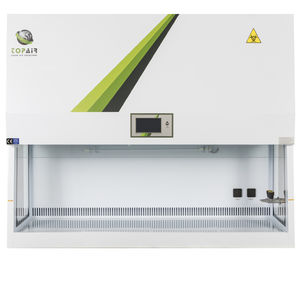
Laboratory safety is no longer optional in today's research environment. Whether you're working with infectious agents, handling hazardous materials, or conducting sensitive experiments, the right containment equipment makes all the difference. Investing in quality bio safety cabinets ensures your team stays protected while maintaining the integrity of your research work.
What Are Biosafety Cabinets and Why They Matter
Biosafety cabinets are specialized ventilated enclosures designed to protect laboratory personnel, the environment, and research samples from exposure to potentially hazardous biological agents. These units use HEPA filtration systems and controlled airflow patterns to create safe working conditions in clinical, research, and pharmaceutical laboratories.
The primary function of these cabinets is to contain aerosols and airborne particles that could pose health risks during microbiological procedures. When scientists handle cultures, conduct cell manipulations, or work with infectious materials, biosafety cabinets provide a critical barrier between the operator and dangerous pathogens.
Different laboratories require different levels of protection based on the risk classification of their work. Selecting the appropriate cabinet type depends on the biosafety level requirements, the nature of the research, and regulatory compliance standards that govern your specific field of work.
Importance of Biosafety Cabinets in Modern Labs
Modern laboratories face increasingly complex safety challenges as research advances into new frontiers of biotechnology and medical science. Biosafety cabinets have become essential infrastructure in facilities working with bloodborne pathogens, viral cultures, bacterial specimens, and genetically modified organisms.
These protective enclosures prevent laboratory-acquired infections, which historically accounted for significant occupational health risks among research staff. By creating negative pressure environments and using multi-stage filtration, biosafety cabinets minimize the chances of accidental exposure to harmful biological agents during routine procedures.
Regulatory bodies worldwide mandate the use of appropriate containment equipment for work involving specific risk groups of microorganisms. Compliance with standards such as NSF/ANSI 49 and WHO laboratory biosafety guidelines requires laboratories to invest in certified equipment. Beyond regulatory compliance, these cabinets protect expensive research samples from contamination, ensuring the validity and reproducibility of experimental results.
Understanding Class I Biosafety Cabinets
Class I biosafety cabinets represent the most basic level of biological containment equipment available to laboratories. These units operate as negative pressure ventilated enclosures that pull room air into the cabinet through an open front, protecting the operator and environment but not the research materials inside.
The design features unfiltered room air flowing into the cabinet, passing over the work surface, and then exhausting through a HEPA filter before being released back into the laboratory or ducted outside. This airflow pattern makes Class I cabinets suitable for work with low to moderate risk biological agents where product protection is not a primary concern.
Common applications for Class I cabinets include handling chemical fumes, working with radioisotopes, and performing procedures with BSL-1 and BSL-2 organisms that do not require a sterile environment. These units are also frequently used as ventilated enclosures for equipment that generates aerosols, such as centrifuges or cell harvesters, providing an economical containment solution for specific laboratory tasks.
Features of Class II Biosafety Cabinets for Research Labs
Class II biosafety cabinets are the most widely used containment devices in modern research laboratories. These sophisticated units provide protection for personnel, the environment, and research materials through a combination of HEPA-filtered laminar airflow and physical barriers that contain biological hazards.
The defining characteristic of Class II cabinets is their vertical laminar flow of HEPA-filtered air that descends over the work surface, creating a sterile environment for sample manipulation. Room air enters through the front grille, mixes with the downward airflow, and gets recirculated after passing through HEPA filtration. A portion of this air exhausts through another HEPA filter to maintain the proper balance.
Class II cabinets come in four subtypes: A1, A2, B1, and B2, each with different airflow patterns and exhaust requirements. Type A2 cabinets are most common in research settings, recirculating 70% of the air within the cabinet while exhausting 30% through HEPA filtration. TopAir Systems offers customizable Class II options designed for energy efficiency and compliance with international safety standards, making them ideal for facilities handling cell cultures, tissue preparations, and microbiological diagnostics.
Type B1 and B2 cabinets are hard-ducted models that exhaust more air externally, making them suitable for work involving volatile chemicals and radionuclides. In research labs dealing with volatile chemicals during cell culture work,fume hoods provide complementary protection to Class II cabinets. The B2 model, also called a total exhaust cabinet, discharges 100% of the air outside the building, providing maximum protection when working with toxic fumes alongside biological materials.
Class III Biosafety Cabinets: Maximum Protection Explained
Class III biosafety cabinets, often called glove boxes, provide the highest level of personnel and environmental protection available. These gas-tight enclosures are designed for work with BSL-4 agents and highly dangerous pathogens that require maximum containment to prevent any possibility of exposure or release.
The cabinet is completely sealed, and all operations are conducted through attached rubber gloves that penetrate the cabinet wall. Air enters the cabinet through HEPA filters and exhausts through two HEPA filters in series, or through a HEPA filter and an air incinerator, ensuring that no unfiltered air escapes. The cabinet operates under negative pressure, typically maintained at a minimum of 0.5 inches water gauge below atmospheric pressure.
Materials enter and exit Class III cabinets through a double-door autoclave, chemical dip tank, or fumigation chamber, preventing any direct contact between the external environment and the interior workspace. These cabinets are custom-designed installations that require extensive facility infrastructure, including dedicated exhaust systems and specialized utility connections. While Class III cabinets represent a significant investment, they are indispensable for research facilities working with highly pathogenic organisms like Ebola virus, Marburg virus, and other agents with no available vaccines or treatments.
How to Choose the Right Biosafety Cabinet for Your Laboratory
Picking the best biosafety cabinet starts with understanding your lab's daily needs and safety requirements. Look at the types of materials you handle, like bacteria or cell cultures, and check what protection level your work demands. Labs dealing with moderate risks often do well with Class II cabinets since they keep both workers and samples safe.
Think about your space too. Measure the area where the cabinet will sit and see if your building has the right power outlets and ventilation setup. Class II Type A2 works great for most research with its mix of clean air flow and simple setup. If you deal with chemicals that need to vent outside, go for a Type B2 model instead. Match the cabinet size to your workflow so you have enough room without crowding your team.
Budget plays a role but do not cut corners on safety. Compare models from trusted makers that meet global standards. Talk to suppliers about your specific setup to avoid surprises during installation. A good choice keeps your lab running smoothly while meeting all rules.
Maintenance, Certification, and Long-Term Cost Considerations
Regular upkeep keeps biosafety cabinets working right and protects everyone in the lab. Check HEPA filters every six months and replace them when airflow drops. Wipe down surfaces daily with approved cleaners to avoid buildup of contaminants. Keep a log of all checks to stay compliant with safety rules.
Certification by a qualified tech should happen once a year. They test airflow speeds, filter leaks, and containment levels to make sure everything meets NSF/ANSI 49 standards. Schedule this during low-activity times to minimize lab downtime. Poor certification can lead to failed inspections or safety risks, so treat it as a must-do task.
Think about costs over time, not just the upfront price. Energy use varies by model, with some newer ones saving power through smart fans. Factor in filter changes, service visits, and repairs. Quality cabinets from reliable sources cut these expenses by lasting longer and needing less fixes. Plan your budget to cover three to five years of ownership for the best value.
