Building A Basketball Live Score Hub That Saves Time For PH Fans
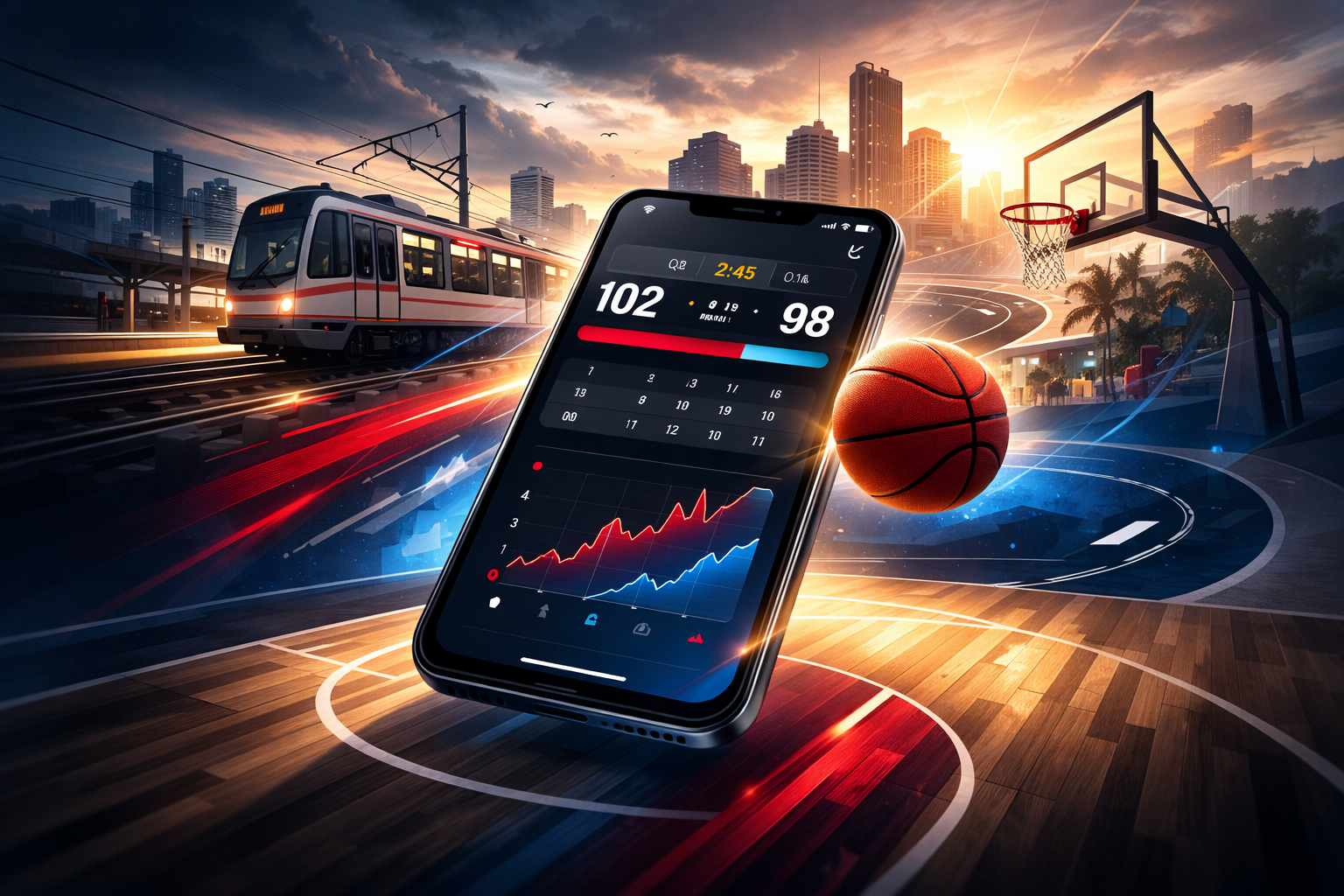
A basketball live score hub helps Philippine fans follow games quickly by combining live scores, game state, and just enough context to understand momentum without tab-hopping. If you check NBA or PBA updates during work breaks, commutes, or late-night catch-ups, the right resource setup reduces refresh fatigue and makes your “quick check” feel reliable
Why A Basketball Live Score Hub Matters In The Philippines
PH fans often follow games in short bursts. You might have 30 seconds before a meeting, five minutes on the MRT, or a quick scroll between classes. In that reality, the biggest enemy is not missing a basket. It is losing time to scattered information.
A typical loop looks like this: you see a score, then you doubt it because there is no quarter or time. You open another page for the schedule. You check social for injury updates. Suddenly you have four tabs open and zero confidence.
A basketball live score hub solves one user need: get the score and what it means, fast, using a consistent place to start every time.
What A Useful Resource Hub Actually Includes
A lot of “score sites” show numbers. A hub helps you interpret them. The difference is small, but it changes how you follow games.
Score And Game State That Cannot Be Missed
The first layer is the truth panel: score, quarter, time remaining, and whether the game is live, in a break, or final. If any of these are hidden, your brain starts guessing, and guessing leads to cross-checking.
This layer also needs PH-friendly timing. Fans commonly look for start times that make sense locally, or at least are easy to convert without mental math.
Context Layers That Explain The Swing
The second layer answers “why did the score move?” without forcing you to watch a full recap. Useful context is not complicated.
It usually comes from simple signals:
- turnovers in a short stretch
- foul trouble and free throws
- offensive rebounds and second-chance points
- substitution windows that change pace
You do not need advanced analytics to benefit. You need one or two reliable clues that explain momentum.
Verification Cues That Reduce Doubt
The third layer is verification. When a page feels stale, fans refresh repeatedly because they do not know if the feed is alive.
Reliable hubs make freshness legible through clear update cues, stable layouts, and consistent status indicators. That keeps your attention focused on the game story instead of the interface.
Using A Curated Resource Page Without Getting Overwhelmed
A “resources” page is only valuable if it helps you act faster, not if it becomes a reading list you never use. The best way to use a curated list is to make it your entry point, then keep your own routine simple.
If you want a single place to start that collects online platform resources you can use for live updates and context, you can bookmark rotowire live score and treat it like a hub reference rather than a link dump. The point is having one consistent starting point, so you stop hunting for the “right” tab every time.
Build A Watchlist That Matches Your Real Life
Most fans burn out because they try to track everything. A watchlist keeps your hub useful.
A practical PH watchlist is small:
- one favorite team
- one favorite player
- one rotating matchup each week
This fits how people actually follow games in PH time. You stay current without turning basketball into homework.
Use Checkpoints Instead Of Constant Refreshing
Constant refreshing feels productive but rarely adds understanding. Checkpoints give you context snapshots.
A simple rhythm works well for busy days:
- early second quarter for pace and rhythm
- halftime for a clean context break
- mid fourth quarter to see if it is truly close
- final for results and quick recap cues
This approach keeps you in the conversation without living inside updates.
Add A Two-Minute Postgame Loop
If you want your checks to feel smarter, use a tiny postgame routine. It takes two minutes and builds real understanding over time.
Ask:
- when did the lead flip or stabilize?
- what was the quiet factor: turnovers, fouls, rebounds, or bench minutes?
Even if you only watch highlights later, you will know what actually decided the game.
How To Judge Whether Live Updates Are Trustworthy
A hub is only as good as the trust signals it surfaces. You do not need to be technical, but you do need to notice patterns that create doubt.
Freshness Signals That Feel Honest
Fans trust pages that show they are alive. That can be a last-updated cue, a consistent event stream, or a live state that changes correctly during breaks.
The key is consistency. If one page shows freshness cues and another page does not, users start guessing where the truth is.
Corrections That Preserve Continuity
Sports data is not always perfectly linear. Reviews happen. Stats get corrected. Possession indicators change late.
The trust-breaking moment is not the correction. It is the silent rewrite. If the score shifts backward with no context, fans assume error. A better hub handles changes like a timeline, not a jump cut.
Mobile Performance That Stays Predictable
PH mobile networks vary. That reality exposes weak pages quickly. If a platform loads fast once and then stalls later, it feels unreliable even if the data is correct.
A dependable hub keeps the core view stable. Score and game state should remain readable while secondary content loads around it. If the core disappears behind spinners, users panic refresh.
Mistakes That Waste Time For PH Fans
Most frustrations come from habits that amplify uncertainty.
One common mistake is treating social clips as the main source. Highlights are fun, but they remove sequence and exaggerate momentum. Use social as reaction, not as reality.
Another mistake is chasing perfect sync between TV and live scores. Broadcast latency varies by provider. Your live updates might lead the TV or lag behind it. Pick one primary experience per game: either you accept spoilers and track, or you protect the drama and check less often.
A third mistake is using too many sources “just to be sure.” That creates the opposite of confidence. A single hub routine with clear checkpoints usually beats five open tabs.
A Simple Weekly Routine That Keeps You Updated
If you want a repeatable system, keep it boring on purpose.
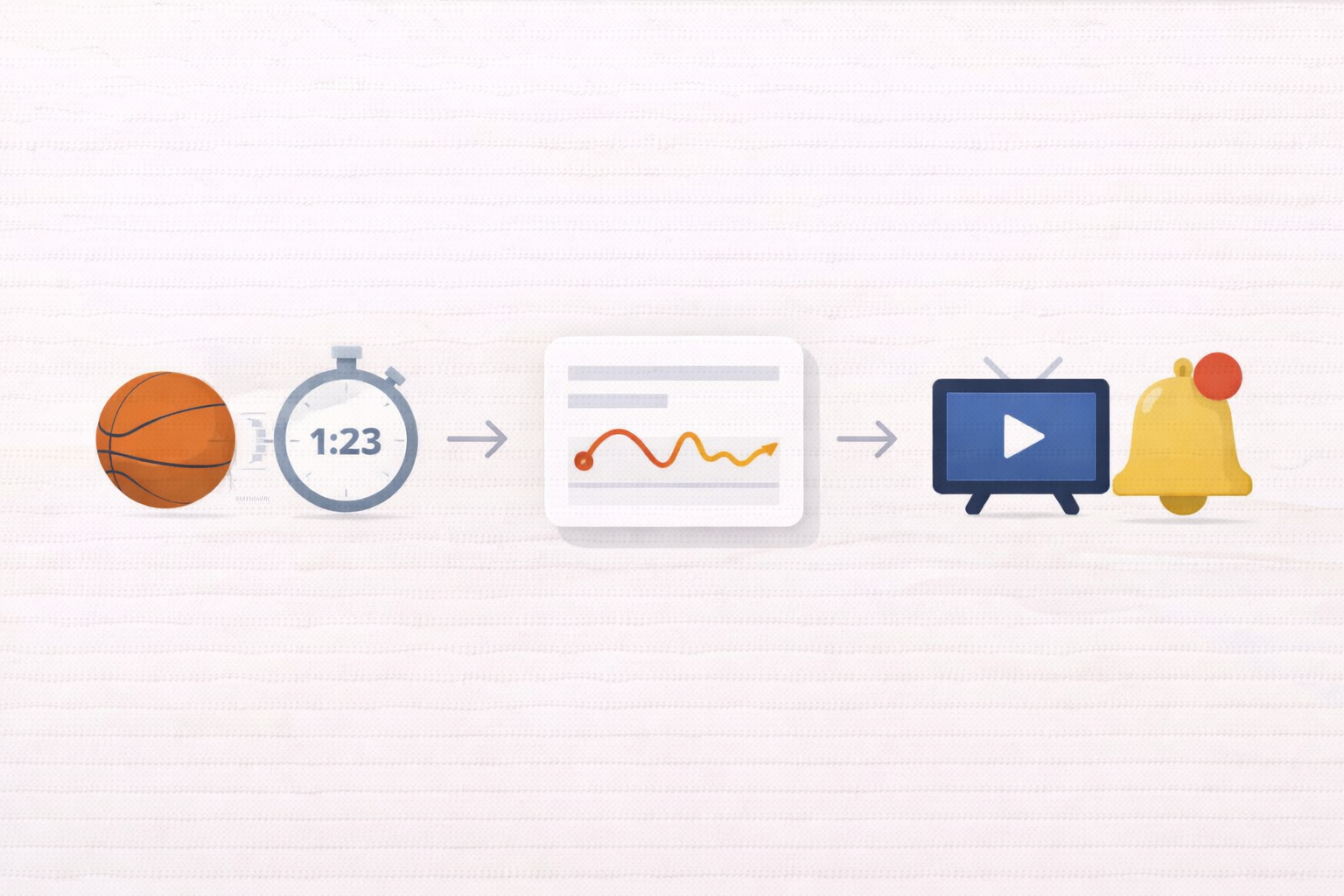
Choose one hub entry point. Keep a small watchlist. Check at checkpoints. Do one short postgame review when you care about the matchup. Over a week, you will notice you spend less time hunting for updates and more time actually understanding games.
This is also the easiest way to stay socially fluent. When friends ask “what happened,” you can answer with context, not just a final score.
Closing Thoughts
A basketball live score hub is not about having more information. It is about having the right information in the right order, so PH fans can follow games confidently in short windows. When your routine is consistent, you stop refreshing compulsively and you stop second-guessing every update.
If you treat your hub as a starting point, keep your watchlist tight, and use checkpoints plus a short postgame loop, you can stay in the conversation without turning basketball updates into a full-time task.