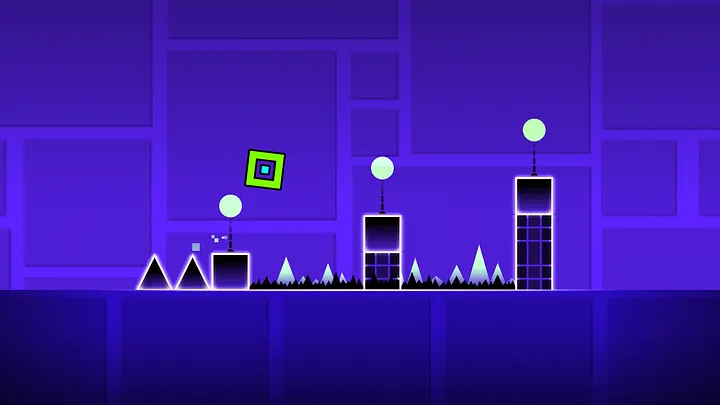
Geometry Dash History
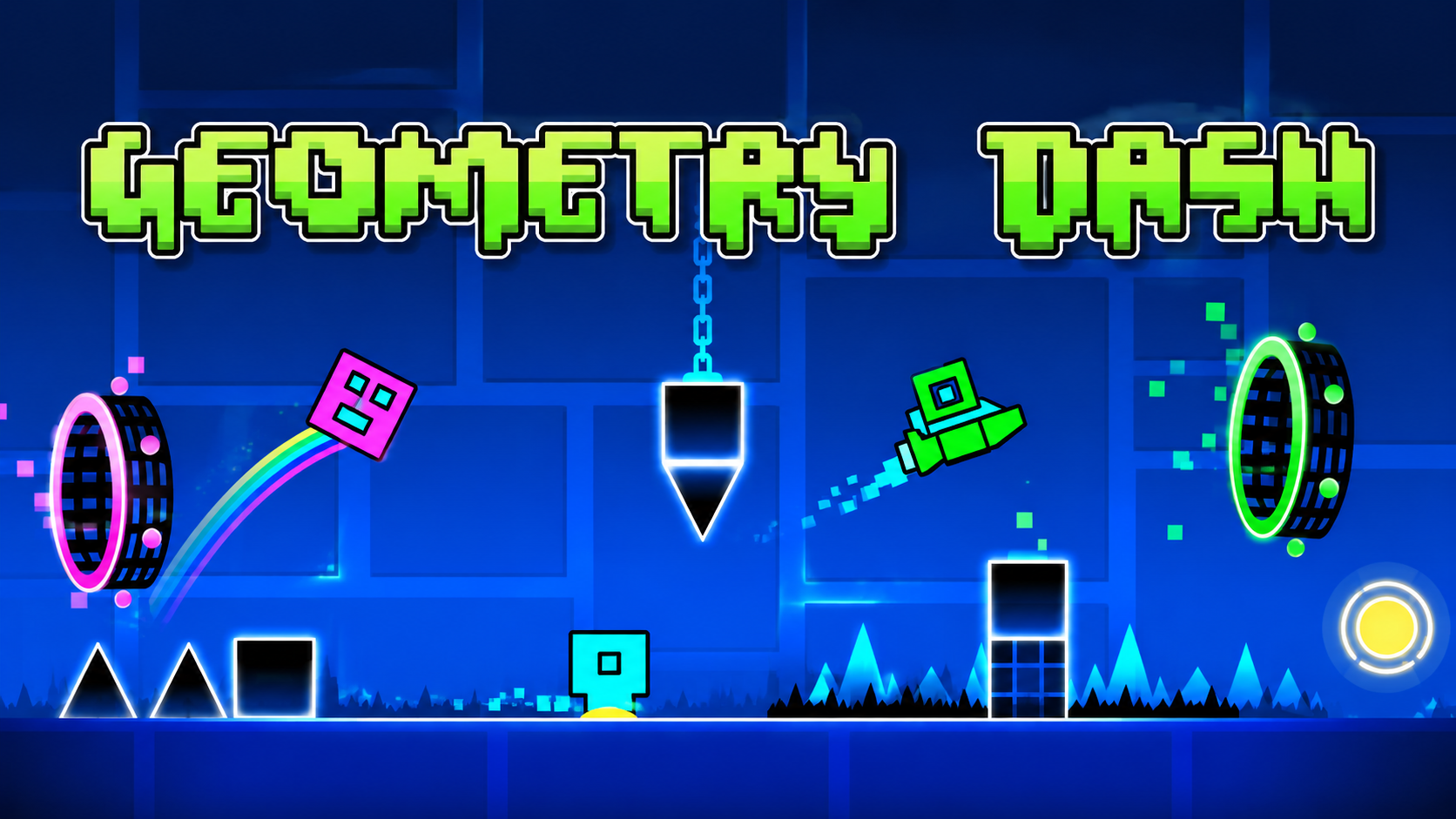
Geometry Dash is one of the most successful rhythm-based platform games ever created. Since its launch in 2013, the game has entertained millions of players with its fast-paced gameplay, catchy music, challenging levels, and creative community features. What started as a simple mobile game developed by a single creator eventually grew into a global gaming phenomenon with hundreds of millions of downloads and an active player community.
In this article, we explore the complete history of Geometry Dash, including how it was created, who developed it, the major updates that shaped the game, and how it evolved into one of the most recognizable platform games in the world.
The Creation of Geometry Dash
Geometry Dash was created by Robert Topala, a Swedish game developer who wanted to build a simple yet highly engaging platform game. His goal was to create a game that anyone could play but would take time and skill to master.
Before developing Geometry Dash, Topala experimented with several game ideas. One concept involved a cube that automatically moved forward while players tapped to jump over obstacles. The straightforward gameplay proved surprisingly addictive and became the foundation for the final game.
During development, the project was originally called "Geometry Jump." As new mechanics and features were added, the game evolved significantly and was eventually renamed Geometry Dash. Released in 2013, it quickly gained popularity thanks to its rhythm-based gameplay, challenging levels, and simple one-touch controls.
Geometry Dash Official Release in 2013
Geometry Dash was officially released on August 13, 2013, for mobile devices.
At launch, the game featured only a few levels and basic gameplay mechanics. The first level, Stereo Madness, introduced players to the core concept of jumping over obstacles while following the rhythm of the music.
Although the game started modestly, players quickly became attracted to its combination of music and platforming. The colorful graphics, energetic soundtracks, and challenging gameplay helped it stand out among mobile games available at the time.
Early Updates and Growing Popularity
Following the successful launch, RobTop Games regularly released updates that introduced new content and features.
Some of the earliest updates added:
- New official levels
- Additional icons and customization options
- New gameplay mechanics
- Improved visual effects
- Enhanced sound synchronization
Each update expanded the game and kept players engaged. As more levels became available, the difficulty increased, encouraging players to improve their skills and master increasingly complex challenges.
The game's popularity grew rapidly through YouTube videos, gameplay streams, and social media sharing.
The Introduction of New Game Modes
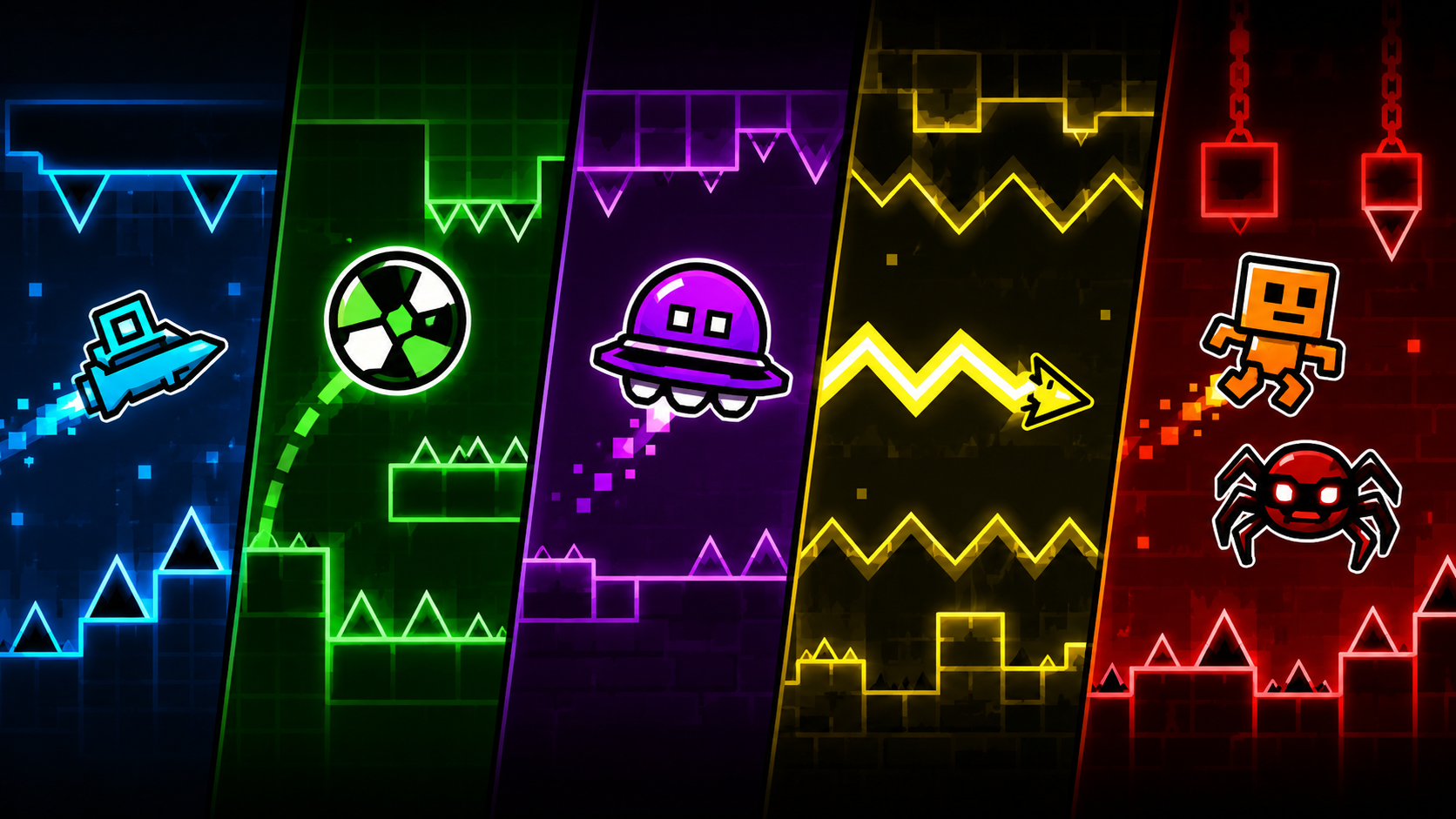
One of the biggest reasons for Geometry Dash's long-term success was the introduction of different character forms. Originally, players controlled only a cube. However, updates added several new gameplay modes:
Ship Mode
Ship Mode allows players to control flight altitude continuously, requiring careful movement and timing to avoid obstacles and narrow passages.
Ball Mode
Ball Mode introduces gravity-switching mechanics, allowing players to flip between surfaces and navigate levels with unique challenges.
UFO Mode
UFO Mode enables players to perform controlled jumps with each tap, creating a distinct gameplay style and rhythm.
Wave Mode
Wave mode became one of the most difficult and skill-based forms in the game, requiring precise movement through narrow spaces.
Robot and Spider Modes
Later updates introduced Robot and Spider forms, adding even more variety and complexity. Each new mode transformed gameplay and made level design more creative.
The Rise of User-Created Levels
Perhaps the most important feature in Geometry Dash history was the Level Editor. RobTop Games introduced a powerful editor that allowed players to create and share their own levels. This decision completely changed the future of the game.
Instead of relying solely on official content, players could design:
- Custom obstacles
- Unique layouts
- Personalized challenges
- Original gameplay experiences
Thousands of user-created levels began appearing every week. Eventually, millions of custom levels were published, creating an endless supply of content for the community.
Geometry Dash Expands into Multiple Games
As Geometry Dash became more popular, RobTop Games released several spin-off titles.
Geometry Dash Lite
Geometry Dash Lite is a free version of the game that includes selected official levels, allowing new players to experience gameplay.
Geometry Dash Meltdown
Geometry Dash Meltdown introduced three exclusive levels, enhanced visual effects, and unique soundtracks, offering fresh challenges for players.
Geometry Dash World
Geometry Dash World added daily quests, online connectivity, rewards, user interaction features, and new levels for extended gameplay.
Geometry Dash SubZero
Featured three new levels with updated graphics and music. These games helped introduce new players to the Geometry Dash universe while expanding the overall community.
Demon Levels and Competitive Gameplay
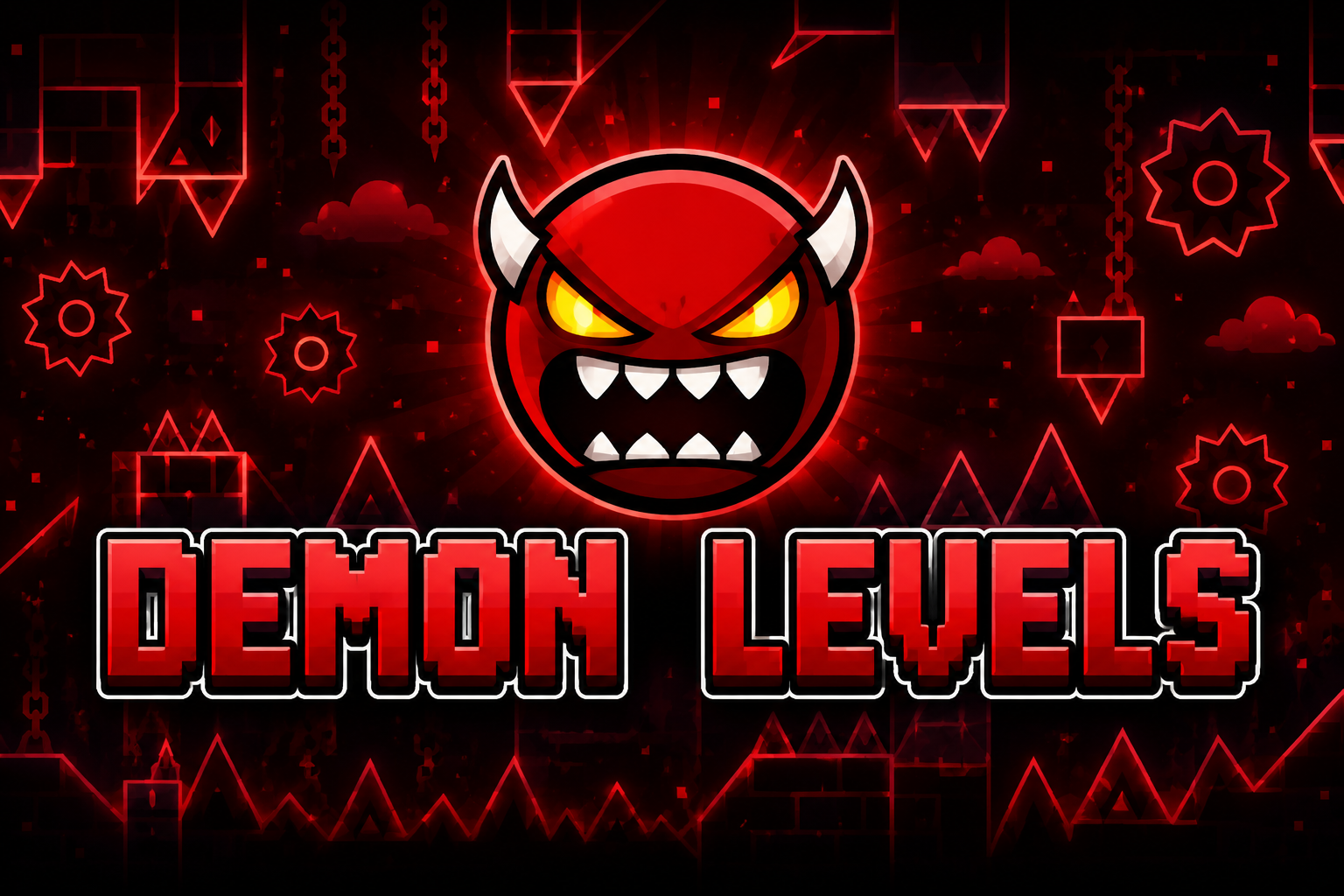
As players became more skilled, the community began creating extremely difficult levels known as Demon levels.
Demon levels became a major part of Geometry Dash culture. Players competed to complete some of the hardest challenges ever designed.
Over time, community ranking systems emerged to track the most difficult levels in the game.
Completing a top-rated Demon level became a prestigious achievement within the Geometry Dash community. This competitive aspect contributed significantly to the game's longevity.
The Long Wait for Update 2.2
One of the most famous chapters in Geometry Dash history was the development of Update 2.2. After Update 2.1 was released in 2017, players expected the next update relatively quickly.
However, development took far longer than anticipated. During this period, the community remained highly active, discussing update theories, sharing level creations, and following development news across various gaming blogs and community websites.
Many fans also explored resources such as Geometry Dash fan guides and update discussions to stay informed about upcoming features. The anticipation for Update 2.2 eventually became one of the biggest topics in the Geometry Dash community.
The Release of Update 2.2
When Update 2.2 finally arrived, it introduced one of the largest content expansions in Geometry Dash history.
Major additions included:
- The new Dash level
- Swing game mode
- New editor tools
- Additional triggers and effects
- Improved customization options
- Enhanced visual systems
- New achievements and rewards
The update dramatically expanded what creators could build and opened the door to even more advanced level designs.
Geometry Dash Today
Today, Geometry Dash remains one of the most successful rhythm-platform games ever created. The game has accumulated hundreds of millions of downloads across platforms and continues to attract new players every year.
Its success comes from several key factors:
- Simple but challenging gameplay
- Strong music integration
- Endless user-generated content
- Active community support
- Regular updates and improvements
Unlike many games that fade over time, Geometry Dash continues to thrive because its community constantly creates new content and challenges.
Conclusion
Geometry Dash's journey from a simple platform game in 2013 to a worldwide gaming phenomenon highlights the power of creativity and community support. Developed by Robert Topala, the game evolved through major updates, new gameplay modes, and powerful level creation tools.
Its engaging rhythm-based mechanics and dedicated player community have kept it popular for over a decade. With continuous innovation and endless user-created content, Geometry Dash remains one of the most influential and enduring platform games ever created.