The Ultimate Guide to Choosing Vertical or Horizontal Striped Wallpaper
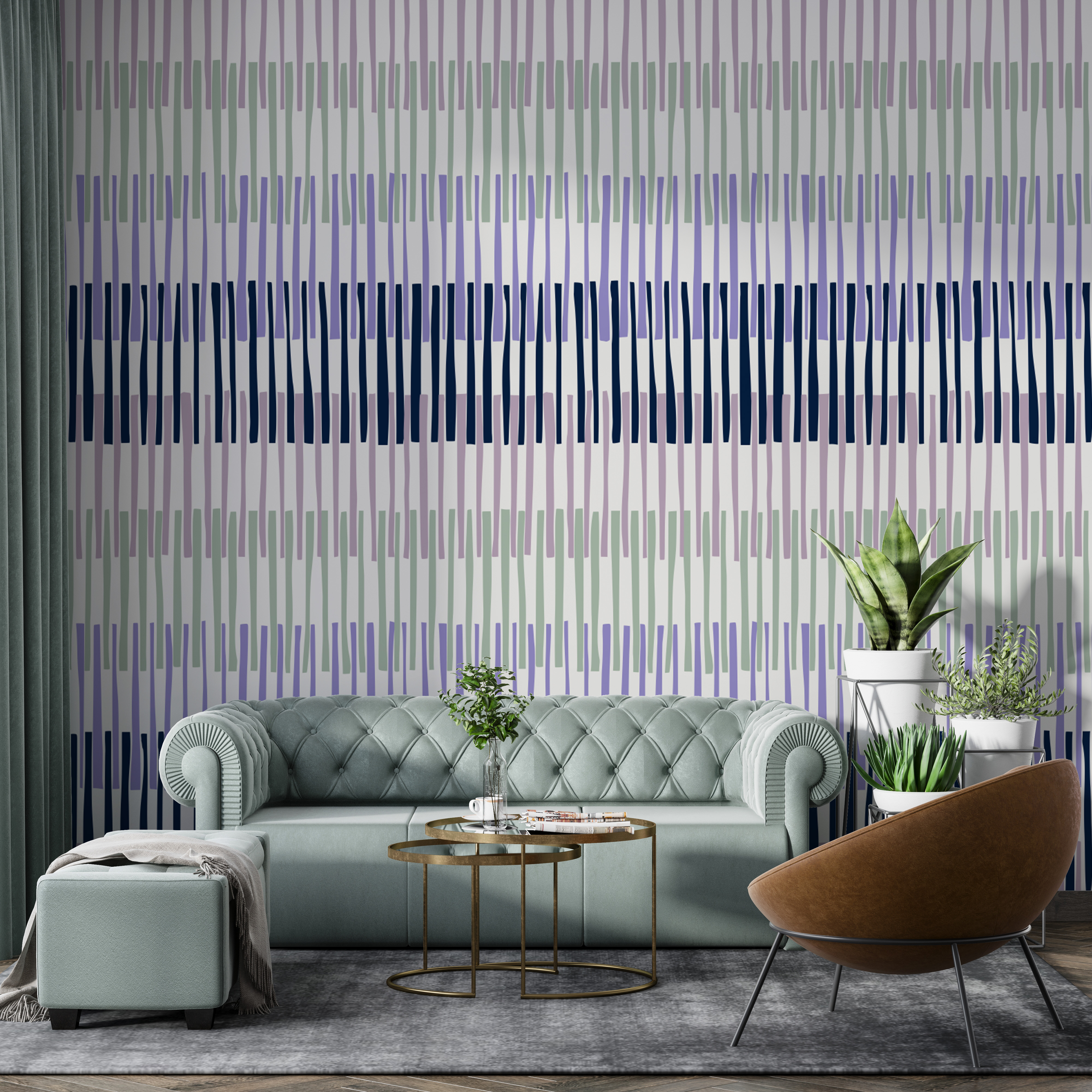
When considering striped wallpaper for your home, the first big decision isn't about color—it's about direction. Do you go vertical or horizontal? This seemingly simple choice has a profound impact on how a room looks and feels, playing with the viewer's perception of height, width, and space. Stripes are classic, yet when used correctly, they can feel incredibly current and chic. Getting the direction right is key to achieving your desired aesthetic.
Understanding Vertical Stripes and Ceiling Height
Vertical stripes are the interior designer’s trick for making ceilings appear higher than they actually are. Just like vertical lines on clothing make a person look taller, vertical stripes draw the eye upward. This technique is especially useful in older homes with lower ceilings or in small, boxy rooms that lack architectural interest.
When selecting Premium Striped Wallpaper, look for designs where the stripes are not too wide. Thin or medium-width stripes work best to maximize this lengthening effect. If the stripes are too broad, the space between them can interrupt the eye's movement, minimizing the illusion of height. Vertical stripes naturally introduce a sense of formality and order to a room, fitting well with traditional or refined styles.
Exploring Horizontal Stripes and Room Width
Horizontal stripes do the opposite of vertical ones; they make a room feel wider and the ceilings appear lower or cozier. This is an excellent choice for long, narrow spaces, such as hallways, or rooms where the height already feels adequate but the room itself feels cramped. The stripes guide the eye across the room, essentially stretching the walls outward.
Horizontal stripes tend to feel more casual, relaxed, and contemporary than their vertical counterparts. They are a great fit for rooms with an artistic flair or spaces that use bold Geometric Pattern Wallpaper. Because they ground the space, they can make a tall, overly airy room feel more intimate and comfortable.
Choosing the Right Style: Modern and Trendy Designs
The thickness and style of the stripes matter just as much as their direction. When looking at Modern & Trendy Designs, you'll see options far beyond the standard barber-pole stripe.
For a contemporary look, consider tone-on-tone stripes or uneven stripe widths. These Modern Designs offer movement and visual interest without overwhelming the room. They are a subtle way to incorporate pattern, perfect for a modern Living Room Wallpaper where you want to maintain a clean, sophisticated vibe.
Stripes can also be used to evoke specific historical aesthetics. For example, wide, bold stripes paired with metallic colors can nod to the art deco patterns of the 1920s. Alternatively, using muted, textured stripes alongside a complementary finish like wood effect wallpaper can lend a cozy, mid-century modern feel.
Making Striped Wallpaper Work in Any Space
Here are some quick pointers for using stripes effectively:
- Small Spaces: In a small room, use narrow, light-colored vertical stripes. Avoid very dark or very wide stripes, as they can make the walls feel like they are closing in.
- Feature Walls: Stripes are perfect for an accent wall. They provide structure and direction, making the chosen wall a definite focal point. When using stripes on one wall, keep the remaining three walls a simple, solid color pulled from one of the stripe hues.
- Mixing Patterns: Stripes are a neutral pattern—they pair well with other patterns, provided you vary the scale. For instance, you can successfully pair a fine striped wall with a sofa featuring a large, botanical print. The key is contrast in size and complexity.
- The Power of Repetition: Ensure the stripe continues around all corners of the room in the same line for an uninterrupted, polished look. This attention to detail prevents the stripe from looking haphazard or disjointed.
Wood Effect Wallpaper
When using striped wallpaper, you may want to balance the linear nature of the pattern with a different texture. This is where wood effect wallpaper can be useful. A wood-effect wallpaper offers a grounding, organic feel that complements the structure of stripes. For instance, a wall with crisp, vertical stripes paired with furniture or a nearby accent wall using a warm, horizontally applied wood grain can harmonize the space. The wood texture adds a natural softness and depth that prevents the entire room from looking too busy or stiff, maintaining a sophisticated, layered design.
The right striped wallpaper will alter your room's perceived architecture, complementing your furniture and decor without dominating the space. By considering the direction, width, and overall aesthetic, you can pick a stripe that works hard for your home.
Description: Choosing the striped wallpaper direction is crucial for room size perception. Learn how vertical striped wallpaper adds height and horizontal striped wallpaper adds width. Explore modern Living Room Wallpaper styles and Geometric Pattern Wallpaper for a chic look.