How Long Can Whales Hold Their Breath: A Deep Dive into Marine Endurance
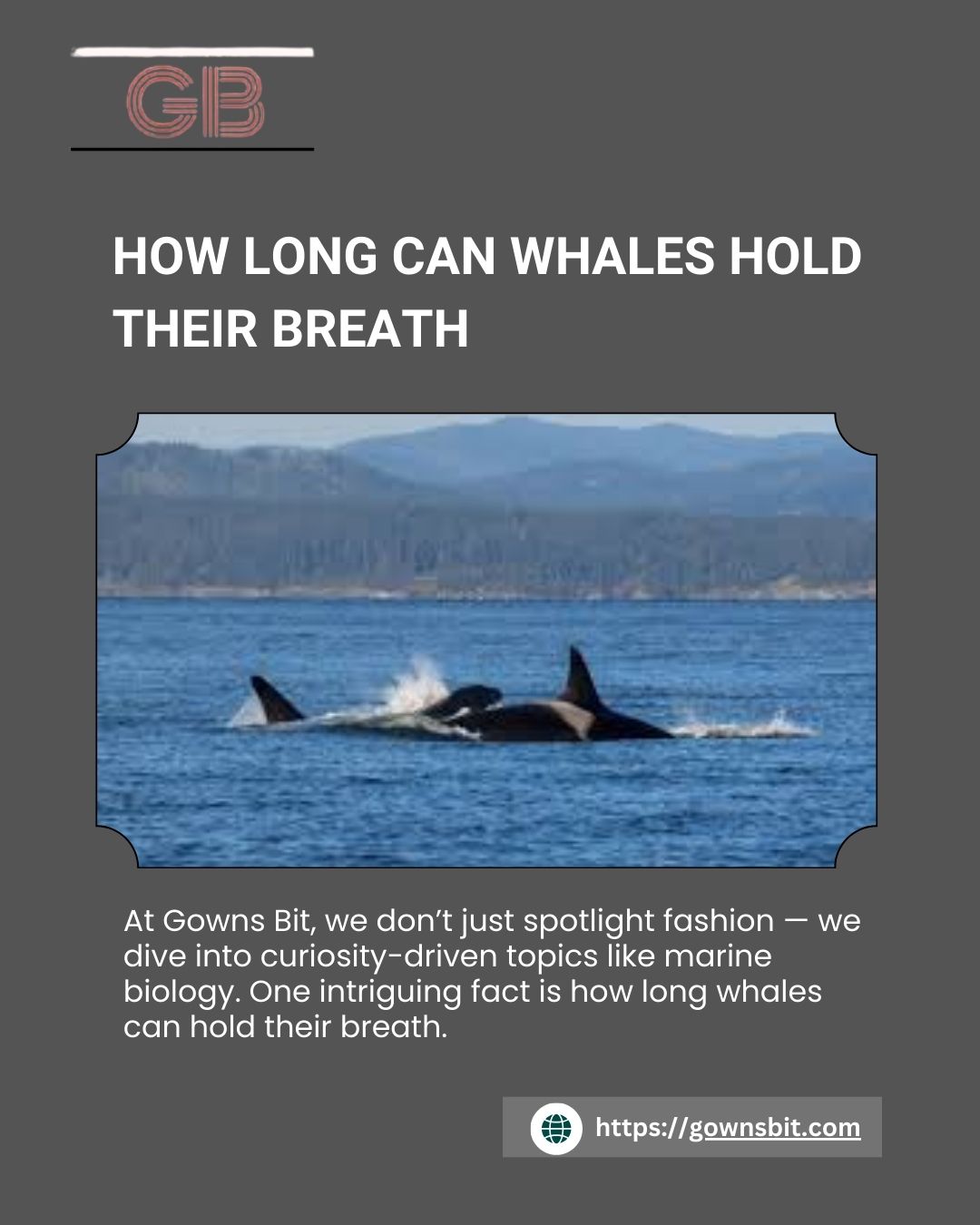
Whales are among the most remarkable breath-holding mammals on Earth. Their ability to remain underwater for extended periods is essential for feeding, migration, and survival in deep oceans. Understanding how long can whales hold their breath helps explain their unique physiology and the adaptations that allow them to thrive in environments where oxygen is limited.
Understanding Whale Breath-Holding Ability
Why Whales Need to Hold Their Breath
Whales are mammals, which means they breathe air just like humans. However, unlike land mammals, whales spend most of their lives underwater. To hunt prey, avoid predators, and travel long distances, they must rely on efficient breath control. Breath-holding allows whales to dive deep into the ocean without frequently returning to the surface, conserving energy and reducing exposure to surface threats.
Average Breath-Holding Duration
Different whale species have different breath-holding capacities. Smaller whales may stay underwater for 10 to 15 minutes, while larger species can hold their breath much longer. On average, many whales can manage 20 to 30 minutes per dive. This impressive duration is the result of specialized lungs, blood chemistry, and muscle adaptations that store and manage oxygen efficiently.
Factors That Affect Breath-Holding Time
Species Differences
Not all whales are equal when it comes to diving. Sperm whales are known champions, capable of holding their breath for up to 90 minutes in extreme cases. Baleen whales, such as blue whales, typically hold their breath for shorter periods, often between 20 and 30 minutes. These variations are closely linked to feeding habits and diving depth requirements.
Body Size and Oxygen Storage
Larger whales generally have greater oxygen storage capacity due to their massive blood volume and muscle tissue rich in myoglobin. This allows them to answer the question how long can whales hold their breath with astonishing numbers compared to other marine mammals. Their bodies are designed to prioritize oxygen delivery to vital organs like the brain and heart during deep dives.
Activity Level During Dives
A whale’s activity level significantly influences breath-holding duration. When whales glide calmly during a dive, they conserve oxygen and extend their time underwater. In contrast, active hunting or rapid swimming consumes more oxygen, reducing overall dive time.
Physiological Adaptations Behind Long Dives
Oxygen Management Systems
Whales have evolved advanced oxygen management systems. Their heart rate slows dramatically during dives, a process known as bradycardia. Blood flow is redirected away from non-essential organs toward the brain and heart. This ensures survival even during prolonged periods without breathing.
Lung Compression and Pressure Tolerance
Unlike humans, whales can safely collapse their lungs during deep dives. This prevents nitrogen absorption, reducing the risk of decompression sickness. This adaptation is crucial when considering how long can whales hold their breath, as it allows repeated deep dives without physical harm.
Muscle Efficiency
Whale muscles contain high levels of myoglobin, a protein that stores oxygen. This allows muscles to continue functioning even when blood oxygen levels drop. As a result, whales can swim and hunt effectively at depths where oxygen availability is minimal.
Record-Holding Whale Dives
Deepest and Longest Dives
Sperm whales hold records for both depth and duration. Some recorded dives exceed 2,000 meters in depth and last over an hour. These dives are essential for hunting giant squid, their primary prey. Such records highlight the extreme limits of marine mammal endurance.
Scientific Observations
Marine biologists use tracking devices to study whale diving behavior. These studies continue to refine our understanding of how long can whales hold their breath and how environmental changes may affect their diving patterns.
Conclusion
Whales demonstrate extraordinary breath-holding abilities that far surpass those of humans and most other mammals. Through specialized physiology, efficient oxygen use, and evolutionary adaptations, they can remain underwater for remarkable lengths of time. From average dives of 20 minutes to record-breaking dives lasting over an hour, the answer to how long can whales hold their breath showcases the incredible resilience and design of these ocean giants.
