
📝 파이썬 기초 - 중급05
- 객체와 메모리
- 얕은 복사와 깊은 복사
- 클래스 상속
- 생성자
✏ 객체와 메모리
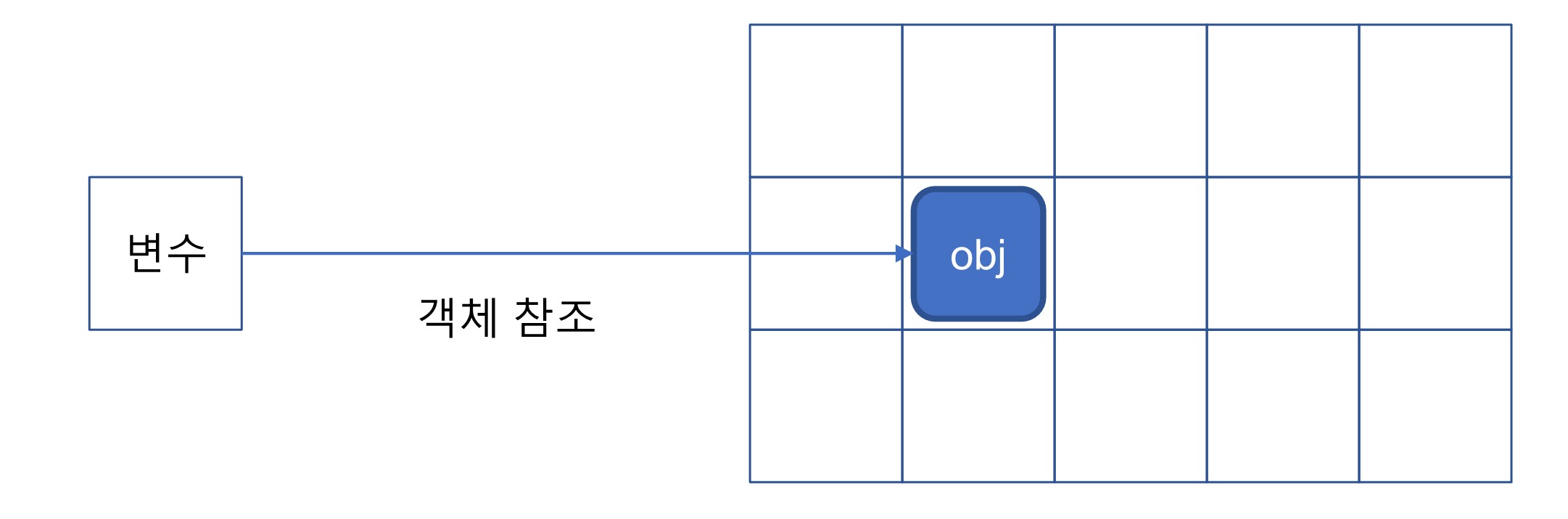
- 변수는 객체의 메모리 주소를 저장하고 이를 이용해서 객체를 참조한다.
class Robot :
    def __init__(self, color, height, weight):
        self.color =color
        self.height = height
        self.weight = weight

    def robotInfo(self):
        print(f'robot color is : {self.color}')
        print(f'robot height is : {self.height}')
        print(f'robot weight is : {self.weight}')

rb1 = Robot('red', '3m', 10)
rb1.robotInfo()
↓
robot color is : red
robot height is : 3m
robot weight is : 10

rb3 = rb1
rb3.robotInfo()
↓
robot color is : red
robot height is : 3m
robot weight is : 10
rb1 과 rb3 모두 같은 곳을 바라본다.
✏ 얕은 복사와 깊은 복사
- 얕은 복사
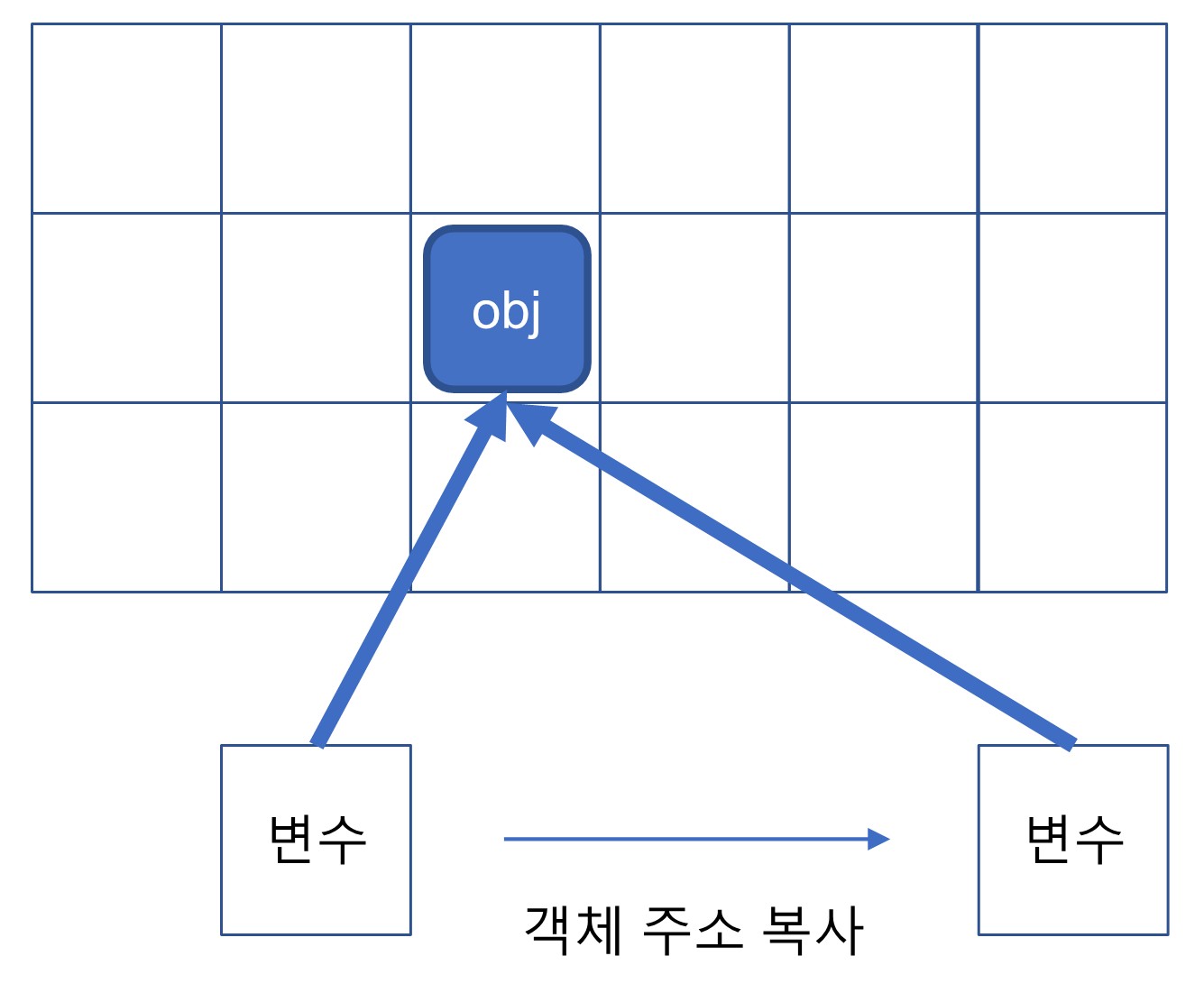
- 얕은 복사란, 객체 주소를 복사하는 것으로 객체 자체가 복사되지 않는다.
class Info :
    def __init__(self, num, str):
        self.num = num
        self.str = str

    def thisInfo(self):
        print(f'num : {self.num}')
        print(f'str : {self.str}')

tc1 = Info(5,'hi')
tc1.thisInfo()
↓
num : 5
str : hi

# 얕은 복사
tc2 = tc1
tc2.thisInfo()
↓
num : 5
str : hi- 깊은 복사
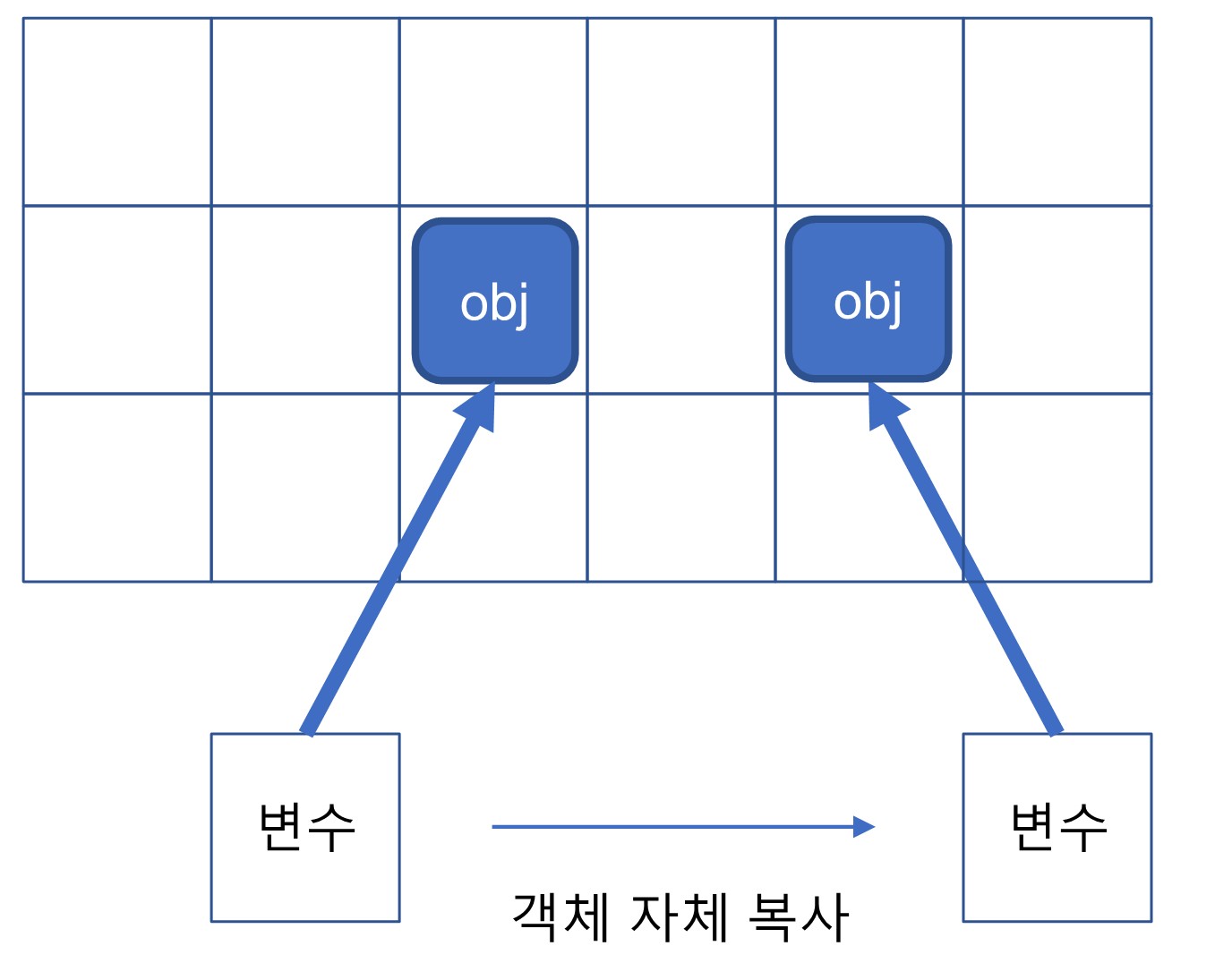
- 깊은 복사란, 객체 자체를 복사하는 것으로 또 하나의 객체가 만들어진다.
# 깊은 복사 방법
import copy

scores = [1,2,3,4,5,6,7,8,9]
copyScore = []

copyScore = copy.copy(scores)
print(f'id(scores) : {id(scores)}')
print(f'id(copyScore) : {id(copyScore)}')

copyScore = scores.copy()
print(f'id(scores) : {id(scores)}')
print(f'id(copyScore) : {id(copyScore)}')

for s in scores:
    copyScore.append(s)

print(f'id(scores) : {id(scores)}')
print(f'id(copyScore) : {id(copyScore)}')

copyScore.extend(scores)
print(f'id(scores) : {id(scores)}')
print(f'id(copyScore) : {id(copyScore)}')

copyScore = scores[:]
print(f'id(scores) : {id(scores)}')
print(f'id(copyScore) : {id(copyScore)}')
✏ 클래스 상속
- 클래스는 또 다른 클래스를 상속해서 내 것처럼 사용할 수 있다.
class FirstClass:

    def firstOne(self):
        print('[firstOne] called!')

    def firstTwo(self):
        print('[firstTwo] called!')

class SecondClass(FirstClass):

    def secondOne(self):
        print('[secondOne] called!')

myClass = SecondClass()

myClass.secondOne() -> [secondOne] called!
myClass.firstOne() -> [firstOne] called!
myClass.firstTwo() -> [firstTwo] called!
✏ 생성자
-
객체가 생성될 때 생성자를 호출하면 init()가 자동 호출된다.
-
super()
- 상위 클래스의 속성을 초기화하기 위해서 super()를 이용한다.
class P_class:
    def __init__(self,n1, n2):
        print('[P_class] __init__() called')
        self.n1 = n1
        self.n2 = n2

        print(f'n1, n2 : {self.n1, self.n2}')

class C_class(P_class):
    def __init__(self,n3, n4):
        print('[C_class] __init__() called')

        super().__init__(n3, n4)

        self.n3 = n3
        self.n4 = n4

        print(f'n1, n2 : {self.n1, self.n2}')


call = C_class(10, 20)
↓
[C_class] __init__() called
[P_class] __init__() called
pN1, pN2 : (10, 20)
cN1, cN2 : (10, 20)- 🔎 실습
class MidScore :

    def __init__(self, s1, s2, s3):

        print('[MidScore] __init__() called')

        self.mid_kor_score = s1
        self.mid_eng_score = s2
        self.mid_mat_score = s3


    def printScore(self):
        print(f'mid_kor_score : {self.mid_kor_score}')
        print(f'mid_eng_score : {self.mid_eng_score}')
        print(f'mid_mat_score : {self.mid_mat_score}')

class EndScore(MidScore) :
    def __init__(self, s1, s2, s3, s4, s5, s6):

        print('[EndScore] __init__() called')

        super().__init__(s1, s2, s3)

        self.end_kor_score = s4
        self.end_eng_score = s5
        self.end_mat_score = s6

        self.midScore = [self.mid_mat_score, self.mid_kor_score, self.mid_eng_score]
        self.endScore = [self.end_eng_score, self.end_mat_score, self.end_kor_score]
        self.scores = self.midScore + self.endScore

        print(self.printScore())

    def printScore(self):
        super().printScore()
        print(f'end_kor_score : {self.end_kor_score}')
        print(f'end_eng_score : {self.end_eng_score}')
        print(f'end_mat_score : {self.end_mat_score}')

    def getTotalScore(self):
        self.midTotalScore = sum(self.midScore)
        self.endTotalScore = sum(self.endScore)
        self.totalScore = sum(self.scores)

        print(f'중간고사 점수 합계 : {self.midTotalScore}')
        print(f'기말고사 점수 합계 : {self.endTotalScore}')
        print(f'총 점수 합계 : {self.totalScore}')

    def getAvgScore(self):
        midAvgScore = self.midTotalScore / len(self.midScore)
        endAvgScore = self.endTotalScore / len(self.endScore)
        avgScore = self.totalScore / len(self.scores)

        print(f'중간고사 평균 점수 : {midAvgScore}')
        print(f'기말고사 평균 점수 : {endAvgScore}')
        print(f'총 평균 점수 : {avgScore}')


    def getTotal(self):
        EndScore.getTotalScore(self)
        EndScore.getAvgScore(self)

getScore = EndScore(90, 95, 88, 67, 78, 77)

getScore.getTotalScore()
↓
mid_kor_score : 90
mid_eng_score : 95
mid_mat_score : 88
end_kor_score : 67
end_eng_score : 78
end_mat_score : 77
None
중간고사 점수 합계 : 273
기말고사 점수 합계 : 222
총 점수 합계 : 495


getScore.getAvgScore()
↓
mid_kor_score : 90
mid_eng_score : 95
mid_mat_score : 88
end_kor_score : 67
end_eng_score : 78
end_mat_score : 77
None
중간고사 평균 점수 : 91.0
기말고사 평균 점수 : 74.0
총 평균 점수 : 82.5

getScore.getTotal()
↓
mid_kor_score : 90
mid_eng_score : 95
mid_mat_score : 88
end_kor_score : 67
end_eng_score : 78
end_mat_score : 77
None
중간고사 점수 합계 : 273
기말고사 점수 합계 : 222
총 점수 합계 : 495
중간고사 평균 점수 : 91.0
기말고사 평균 점수 : 74.0
총 평균 점수 : 82.5
✏ 다중 상속
- 2개 이상의 클래스를 상속한다.
class Tiger :
    def thisTiger(self):
        print('I\'m tiger')

class Rion :
    def thisRion(self):
        print('I\'m rion')

class Bear :
    def thisBear(self):
        print('I\'m bear')

class Animal(Tiger, Rion, Bear) :
    def __init__(self):
        pass

zoo = Animal()

zoo.thisTiger() -> I'm tiger
zoo.thisRion() -> I'm rion
zoo.thisBear() -> I'm bear- ⚠ 다중 상속은 남발하면 안됨
- 다중 상속의 늪에 빠질 수 있음
✏ 오버라이딩
- 하위 클래스에서 상위 클래스의 메서드를 재정의(override)한다.
class Triangle:

    def __init__(self, w, h):
        self.width = w
        self.height = h

    def printTriangleInfo(self):
        print(f'width : {self.width}')
        print(f'height : {self.height}')

    def getArea(self):

        return self.width * self.height / 2


class newTriangle(Triangle):

    def __init__(self, w, h):
        super().__init__(w, h)

    def getArea(self):
        return print(f'triangleArea : {super().getArea()}㎠')

ta = newTriangle(10, 7)
ta.getArea()
↓
triangleArea : 35.0㎠
✏ 추상클래스
- 상위 클래스에서 하위 클래스에 메서드 구현을 강요한다.
from abc import ABCMeta
from abc import abstractmethod

class Car(metaclass=ABCMeta):

    @abstractmethod
    def drive(self):
        pass

class drivingCar:

    def __init__(self, b, y):
        self.licence = b
        self.year = y

    def drive(self):
        if self.licence == '0' and self.year <= 2023 :
            print('운전 가능')
        else :
            print('운전 불가능')

in1 = input('운전면허 소지 유 -> 0, 무 -> 1 :')
in2 = int(input('면허증 취득 연도를 적어주세요 예) 2023 :'))

ca = drivingCar(in1, in2)
ca.drive()
↓
운전면허 소지 유 -> 0, 무 -> 1 :0
면허증 취득 연도를 적어주세요 예) 2023 :2016
운전 가능

개발 스터디 노트