Online Japanese Courses vs. Offline Classes – Which Is Better?
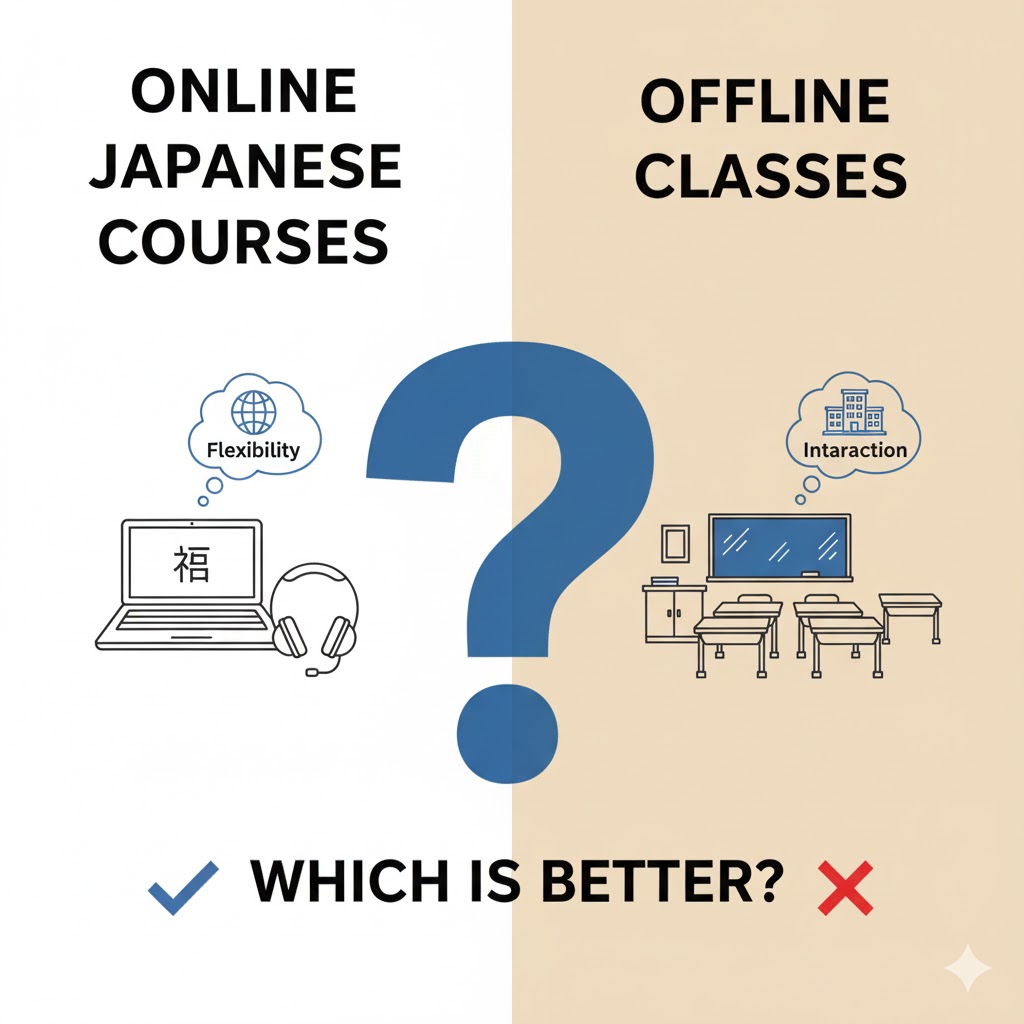
Learning Japanese has become one of the most valuable skills for students and professionals today. Whether your goal is to study in Japan, work for a Japanese company, or explore its culture, learning the language opens many doors. However, one big question often comes up — should you learn Japanese online or attend offline classes
Both options have their advantages and challenges. This article compares online Japanese courses and offline classes to help you choose the right learning method for your goals and lifestyle.
What Are Online and Offline Japanese Classes?
Online Japanese courses are conducted through digital platforms such as Zoom or Google Meet. These courses usually include live video sessions, recorded lectures, and interactive study materials. Learners can join from anywhere and study at their own pace.
Offline classes, on the other hand, are traditional classroom sessions where students attend lessons in person. Teachers interact directly with students, provide handwritten practice, and conduct group activities.
Flexibility and Convenience
Flexibility is one of the main reasons many people prefer online learning. Online Japanese courses allow you to attend classes from home or anywhere else. You can choose your class timing, access recorded sessions later, and save travel time. This is ideal for working professionals or college students with busy schedules.
Offline classes have fixed timings and require regular attendance. While this structure helps maintain discipline, it can be challenging for learners who have irregular routines or live far from the institute.
Learning Experience and Interaction
Online courses use digital tools like interactive whiteboards, chat discussions, and video lessons to create engaging sessions. You can interact with trainers virtually and even join classes taught by native Japanese speakers from around the world. However, some learners miss the personal connection that comes from face-to-face interaction.
Offline classes allow direct communication with teachers and classmates. You can ask questions instantly, practice speaking exercises in real time, and receive immediate corrections. For many students, this physical environment helps improve pronunciation and confidence.
Cost and Accessibility
Cost is another major factor. Online Japanese courses are generally more affordable because they don’t include travel or classroom expenses. Most platforms offer subscription plans or pay-per-course options, making it easier to learn within a budget.
Offline institutes usually charge higher fees since they include classroom facilities, printed materials, and in-person teaching hours. However, they also provide structured programs and more personal guidance.
Teaching Quality and Learning Resources
One of the biggest advantages of online Japanese learning is access to expert trainers from around the world. Many platforms feature certified instructors, native speakers, and detailed JLPT (Japanese Language Proficiency Test) preparation courses. You can also use digital tools, flashcards, and quizzes for extra practice
In offline classes, teachers can observe your learning progress more closely. They can immediately correct your handwriting, grammar, and pronunciation. Classroom activities like role plays and writing practice also help you learn the language naturally.
Motivation and Discipline
Online learning offers freedom but requires strong self-discipline. Without a fixed schedule, it’s easy to delay lessons or lose motivation. Setting personal goals and maintaining a regular study routine are essential for success in online courses.
Offline classes provide built-in motivation. The physical presence of teachers and classmates keeps students consistent and engaged. Regular attendance, assignments, and tests naturally maintain discipline.
Technology and Tools
Modern online platforms use technology to make learning interactive and measurable. Features such as progress tracking, JLPT mock tests, and AI pronunciation tools help learners improve faster. Many apps also include vocabulary practice and grammar games to make studying enjoyable.
Offline classes rely more on traditional methods like textbooks and note-taking. While less tech-driven, this hands-on approach can be equally effective for memorizing vocabulary and improving writing skills.
Which Is Better for JLPT Preparation?
Both online and offline modes can prepare you for the JLPT exam effectively. Online platforms offer mock tests, structured lessons, and global access to certified trainers. Offline classes provide in-person coaching and focused preparation under direct supervision.
The right choice depends on your learning habits. If you can stay consistent and self-motivated, an online course works well. If you need constant feedback and a classroom atmosphere, offline learning might suit you better.
Key Differences at a Glance
| Factor | Online Japanese Courses | Offline Japanese Classes |
|---|---|---|
| Flexibility | Study anytime, anywhere | Fixed schedule |
| Cost | Usually more affordable | Higher fees |
| Interaction | Virtual communication | Face-to-face learning |
| Resources | Digital tools and videos | Books and live practice |
| Motivation | Self-driven | Structured discipline |
| Accessibility | Global access | Location-based |
Which Option Should You Choose?
There is no single answer that fits everyone. The best choice depends on your personal goals, time, and preferred learning style.
If you value flexibility, affordability, and access to global instructors, online Japanese courses are a great choice. They allow you to balance learning with other commitments and progress at your own speed.
If you prefer direct teacher guidance, live classroom discussions, and a structured study routine, offline Japanese classes might be better suited for you. They provide a traditional learning atmosphere that some students find more motivating.
Many learners today combine both methods — taking online lessons during the week and attending offline practice sessions on weekends. This blended learning approach brings the best of both worlds.
Frequently Asked Questions
1. Are online Japanese courses as effective as offline classes?
Yes. With live sessions, certified trainers, and interactive resources, online courses can be equally effective if you stay consistent.
2. Which is better for beginners?
Beginners who prefer personal attention may find offline classes easier. However, online classes with beginner-friendly modules also offer strong foundations.
3. Do online courses offer JLPT certificates?
Some online platforms prepare you for the JLPT exam, but the official certification is only provided after you pass the official JLPT test.
4. Can I switch from offline to online learning?
Yes. Many learners start offline for basics and later switch online for flexibility and advanced learning.
5. How long does it take to learn Japanese fluently?
It depends on your consistency. With one to two hours of daily study, most learners reach conversational fluency within 8 to 12 months.
Conclusion
Both online and offline Japanese learning options have clear benefits. Online Japanese courses offer flexibility, convenience, and affordability, while offline classes provide structured learning and direct guidance.
The key is to choose a learning method that fits your schedule and keeps you motivated. Whether you study online or in person, consistency and regular practice are what truly lead to success in mastering the Japanese language.