What Is the Scientific Basis for Microneedling on Scars?
Scars, whether from acne, injury, or surgery, can affect both appearance and confidence. Among the array of dermatological treatments available today, microneedling has emerged as a scientifically backed method to improve skin texture and reduce the visibility of scars. In this article, we explore the scientific principles behind microneedling, its effectiveness, and why it has gained popularity, especially for people seeking solutions like Microneedling for Acne Scars in Dubai.
Understanding Microneedling
Microneedling, also known as collagen induction therapy (CIT), is a minimally invasive cosmetic procedure that involves the use of fine needles to create controlled micro-injuries on the skin. These tiny punctures stimulate the skin’s natural healing mechanisms without causing significant damage to the epidermis.
Unlike laser treatments that rely on heat, microneedling works mechanically. The micro-channels formed by the needles trigger a cascade of biological responses, primarily aimed at tissue repair and regeneration.
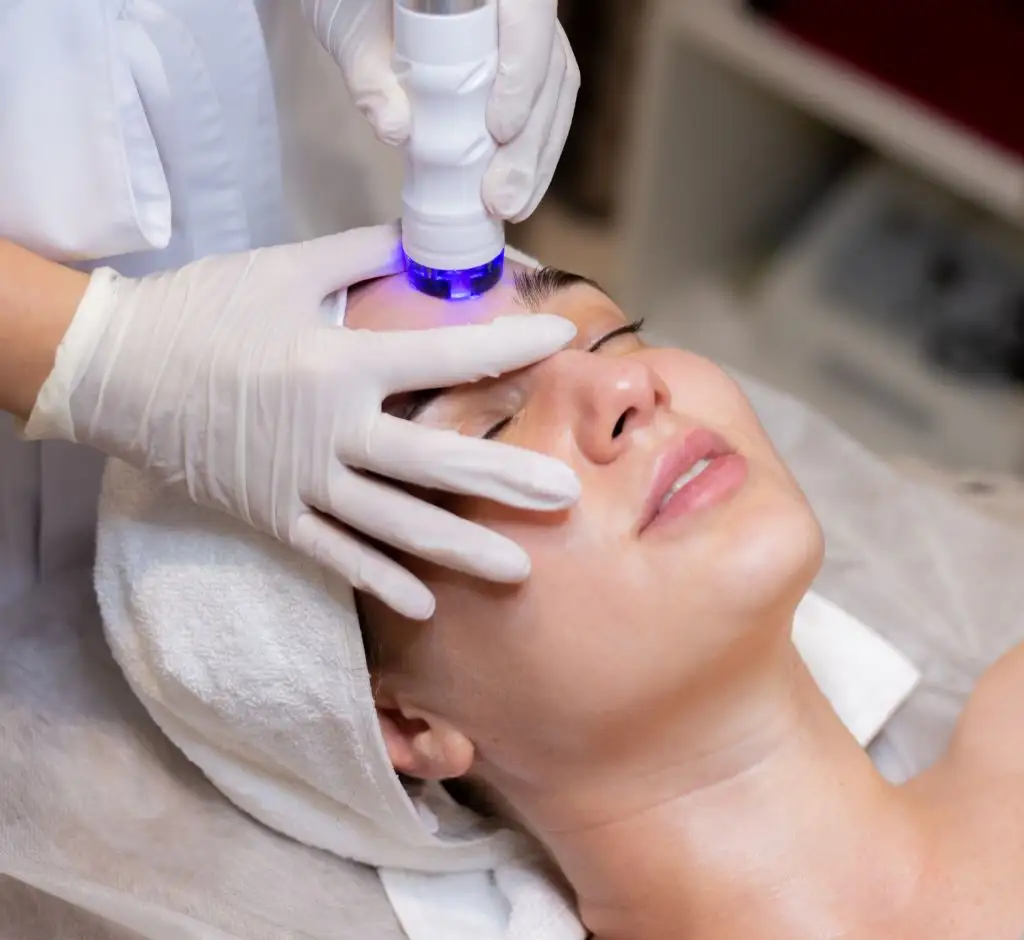
The Science Behind Microneedling
The primary mechanism through which microneedling improves scars is collagen stimulation. Collagen is a structural protein in the skin that provides strength, elasticity, and resilience. Scar tissue often results from irregular or insufficient collagen production during the skin's healing process.
- Controlled Microtrauma
When microneedles penetrate the skin, they create tiny punctures that are too small to cause permanent damage but large enough to activate the skin’s repair system. This controlled trauma prompts the release of growth factors and cytokines, which are critical for cellular repair and collagen synthesis. - Collagen Remodeling
Studies show that microneedling induces the production of collagen types I and III, which are essential for restoring the skin’s architecture. Over time, this leads to smoother skin texture, decreased scar depth, and improved elasticity. - Enhanced Skin Permeability
The micro-channels also enhance the absorption of topical treatments, such as hyaluronic acid or vitamin C serums. These actives penetrate deeper into the dermis, further promoting healing and skin rejuvenation.
Microneedling for Acne Scars
Acne scars, particularly atrophic scars like ice-pick, boxcar, and rolling scars, result from collagen loss after severe acne. Microneedling specifically addresses these scars by stimulating localized collagen production to “fill in” depressed areas.
Several clinical studies support its efficacy:
- Histological Evidence: Skin biopsies after microneedling show increased dermal thickness and higher collagen density in scarred areas.
- Patient Outcomes: Controlled trials report significant improvement in scar texture and appearance after a series of microneedling sessions, often with minimal downtime compared to more invasive treatments.
- Combination Approaches: Combining microneedling with platelet-rich plasma (PRP) or topical growth factors can accelerate healing and enhance results, making it a preferred option for persistent acne scars.
This scientific foundation makes microneedling a reliable choice for individuals looking to improve their skin without resorting to aggressive procedures.
Safety and Effectiveness
Microneedling is considered safe for most skin types and tones. Unlike some laser treatments, it carries a lower risk of post-inflammatory hyperpigmentation, which is especially relevant for individuals with darker skin tones.
Safety measures include:
- Using sterile, single-use needles to prevent infection.
- Avoiding the procedure during active skin infections or acne flare-ups.
- Applying topical anesthetics to reduce discomfort during treatment.
While results vary based on scar type and severity, most patients notice improvement after 3–6 sessions, with optimal results appearing gradually as collagen remodeling continues.
Why Microneedling Is Popular in Dubai
In urban centers like Dubai, there is a high demand for non-invasive, effective, and scientifically backed aesthetic treatments. Many residents seek microneedling for acne scars in Dubai because it offers a combination of visible results, minimal downtime, and long-term skin rejuvenation.
The procedure aligns with modern skincare trends that prioritize natural healing mechanisms over chemical or heat-based interventions. Additionally, Dubai’s access to advanced dermatological technologies ensures that microneedling is performed safely and efficiently, making it a favored choice for both men and women dealing with acne scars.
Post-Treatment Care and Expectations
After microneedling, the skin may appear slightly red or feel sensitive for a few days. Proper post-treatment care is essential for maximizing results and minimizing complications:
- Avoid direct sun exposure and use broad-spectrum sunscreen.
- Refrain from using harsh exfoliants or chemical treatments immediately after sessions.
- Keep the skin hydrated to support healing and collagen production.
It is also important to maintain realistic expectations. Microneedling gradually improves scar appearance and skin texture, often requiring multiple sessions for significant results.
Conclusion
Microneedling is more than a cosmetic trend—it is a scientifically grounded method to rejuvenate the skin and reduce scar visibility. By leveraging the body’s natural healing process, microneedling stimulates collagen production, remodels scar tissue, and improves skin texture.
For those exploring options like microneedling for acne scars in Dubai, it offers a minimally invasive, effective solution with a strong track record supported by clinical studies. Its combination of safety, efficacy, and versatility continues to make it a popular choice for individuals seeking lasting skin improvement without the risks associated with more aggressive interventions.
By understanding the science behind microneedling, patients can make informed decisions and set realistic expectations for their scar treatment journey, ultimately enhancing both skin health and confidence.
