The Evolution of Fire Watch Guards: From Basic Vigilance to Advanced Safety Partnerships
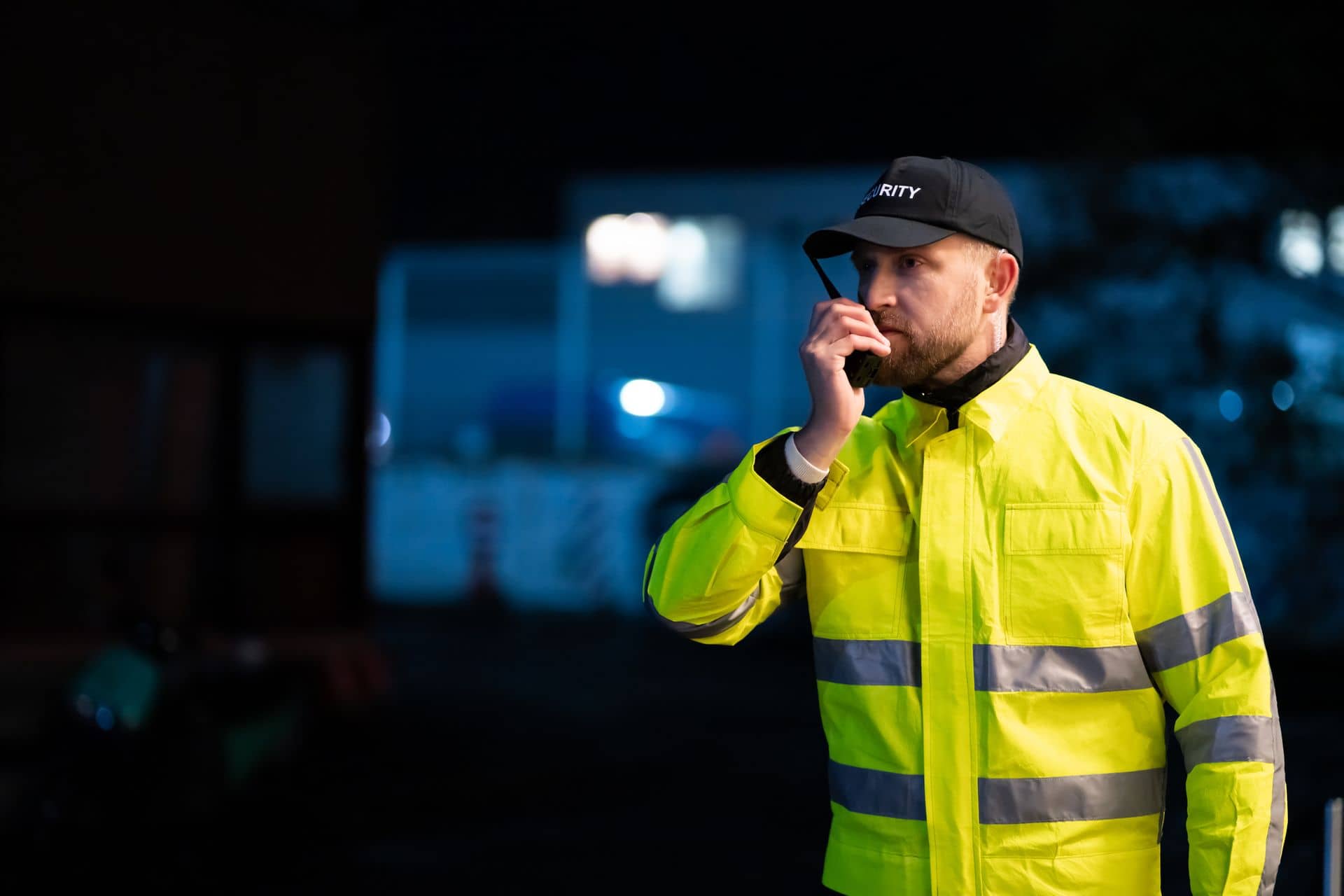
Fire watch services have undergone remarkable transformation since their origins in industrial safety practices of the early 20th century. What began as rudimentary patrols by untrained workers has evolved into sophisticated safety partnerships combining human expertise with cutting-edge technology. Understanding this evolution helps building owners appreciate the modern capabilities of professional Fire Watch Guards and their essential role in comprehensive fire safety programs.
Early Origins: Industrial Safety Pioneers
The concept of fire watch emerged during the Industrial Revolution when factories and mills faced unprecedented fire risks from steam engines, flammable materials, and crowded working conditions. Early fire watch consisted of designated workers conducting basic patrols, watching for visible flames or excessive smoke. These individuals received minimal training, often just verbal instructions to "keep an eye out" during high-risk operations.
In the early 1900s, fire watch became more formalized in manufacturing sectors. Workers assigned to fire watch duties carried buckets of water or sand, ready to extinguish small fires before they spread. This rudimentary approach saved countless lives but lacked systematic procedures or professional training. The focus remained reactive rather than preventive, with guards primarily responding to visible fire signs rather than identifying underlying hazards.
Mid-20th Century: Regulatory Recognition and Standardization
The post-World War II construction boom and growing industrialization led to increased fire incidents, prompting regulatory recognition of fire watch as a legitimate safety practice. The 1950s and 1960s saw fire watch requirements codified in building codes and occupational safety regulations. Fire marshals began mandating fire watch during hot work operations and when fire protection systems required maintenance.
During this period, fire watch training became more structured. Guards learned basic fire extinguisher operation and evacuation procedures, though still largely focused on industrial and construction settings. The role expanded beyond mere observation to include basic hazard identification, such as checking for blocked exits or improperly stored flammable materials.
The 1970s energy crisis and growing environmental awareness brought additional scrutiny to fire safety practices. Fire watch services began incorporating environmental considerations, with guards monitoring for hazardous material spills that could contribute to fire development. This era also saw the first attempts at systematic documentation, with guards maintaining simple logbooks of their patrols.
The Technology Integration Era (1980s-1990s)
The proliferation of electronic fire protection systems in the late 20th century created new challenges and opportunities for fire watch services. As buildings installed sophisticated smoke detectors, sprinkler systems, and alarm panels, the need for compensatory protection during system impairments became apparent. Fire watch evolved from a standalone practice to an integrated component of comprehensive fire safety programs.
Digital communication devices revolutionized fire watch operations. Two-way radios enabled guards to communicate instantly with central monitoring stations and emergency services. The introduction of portable fire extinguishers with specific classifications (A, B, C) required guards to receive training in appropriate application for different fire types.
This period also saw the emergence of specialized fire watch for unique environments. Healthcare facilities required guards trained in patient evacuation protocols, while high-rise buildings demanded knowledge of vertical evacuation strategies. Industrial facilities with hazardous processes needed guards familiar with chemical fire behaviors and containment procedures.
The Professionalization Movement (2000s)
The new millennium brought significant professionalization to fire watch services. Regulatory changes following major fire incidents emphasized the need for trained, certified personnel rather than ad hoc assignments. Fire watch companies invested heavily in comprehensive training programs, covering fire science, emergency response, and regulatory compliance.
The 2001 NFPA 241 standard for safeguarding construction, alteration, and demolition operations formalized many fire watch practices. Guards now received instruction in permit-required hot work procedures, extended monitoring periods after welding operations, and coordination with fire departments.
Technology continued advancing, with GPS-enabled patrol tracking and digital documentation systems creating verifiable compliance records. Mobile applications allowed guards to photograph hazards, timestamp observations, and report incidents in real-time. These technological enhancements transformed fire watch from a compliance burden into a proactive safety asset.
Modern Era: Advanced Safety Partnerships (2010s-Present)
Today's Fire Watch Guards operate as sophisticated safety partners, leveraging advanced technology while applying human judgment to complex situations. The integration of artificial intelligence, thermal imaging, and predictive analytics enhances their effectiveness without replacing the essential human element.
Modern training programs exceed 40 hours, covering advanced topics like fire behavior modeling, risk assessment methodologies, and crisis communication. Guards learn to interpret building management system data, coordinate with smart fire protection technologies, and implement defend-in-place strategies for facilities with vulnerable occupants.
The COVID-19 pandemic accelerated digital transformation in fire watch services. Contactless patrol verification, remote monitoring capabilities, and enhanced documentation systems became standard. Guards now incorporate infectious disease protocols into their safety procedures, demonstrating adaptability to evolving operational requirements.
The Future: AI-Enhanced Human Oversight
Looking ahead, Fire Watch Guards will continue evolving alongside technological advancements. Artificial intelligence will handle routine data analysis and pattern recognition, while guards focus on complex decision-making and stakeholder coordination. Emerging technologies like drone-assisted patrols and augmented reality training promise to further enhance service quality.
However, the core value proposition remains unchanged: human judgment, contextual awareness, and adaptive problem-solving that technology cannot replicate. As buildings become more complex and fire risks more sophisticated, the role of professional Fire Watch Guards grows increasingly essential.
Key Milestones in Fire Watch Evolution
- 1920s: Basic industrial patrols with minimal training
- 1950s: Regulatory codification and basic extinguisher training
- 1970s: Environmental considerations and logbook documentation
- 1980s: Electronic communication and specialized training programs
- 1990s: Integration with automated systems and digital verification
- 2000s: Professional certification and comprehensive training standards
- 2010s: Technology integration and advanced safety partnerships
- 2020s: AI enhancement and pandemic-adapted protocols
Benefits of Modern Fire Watch Guards
Contemporary Fire Watch Guards provide multifaceted value beyond basic compliance:
Proactive Hazard Management: Guards identify and mitigate risks before they escalate, preventing incidents entirely.
Regulatory Compliance: Professional documentation and trained personnel ensure defensible compliance with complex fire codes.
Emergency Response Coordination: Guards provide critical human oversight during crises, coordinating with emergency services and building occupants.
Technology Integration: Modern guards leverage advanced tools while applying human judgment to ambiguous situations.
Risk Mitigation: Services protect against catastrophic losses, with costs representing minimal investment compared to potential fire damages.
Selecting Modern Fire Watch Services
Building owners should evaluate providers based on:
- Comprehensive training programs and certification standards
- Technology integration capabilities
- Specialized training for unique facility types
- Digital documentation and real-time reporting
- References from similar clients and proven track record
Conclusion: Essential Evolution for Modern Safety
The evolution of Fire Watch Guards from basic observers to advanced safety professionals mirrors broader advancements in fire protection. What began as rudimentary patrols has become a sophisticated discipline combining human expertise with technological capabilities. In an era of increasingly complex buildings and fire risks, professional Fire Watch Guards remain indispensable. Their ability to provide vigilant human oversight when automated systems cannot function ensures continuous protection for lives, property, and business operations. As fire safety continues evolving, the human element provided by trained Fire Watch Guards will remain the irreplaceable foundation of effective protection. When systems fail or risks emerge, having dedicated professionals watching over your facility isn't just good practice—it's essential safety. The journey from basic vigilance to advanced partnerships demonstrates how fire watch services have matured to meet modern challenges, providing building owners with reliable, professional protection they can trust.
