Best Time for the Mardi Himal Trek
⚡ Quick Answer
The best time to do the Mardi Himal Trek is mid-October to early November (post-monsoon / autumn) and late March to mid-May (pre-monsoon / spring). Autumn gives crystal-clear mountain views and stable weather; spring brings rhododendron blooms and lush trails. Both seasons offer moderate crowds, dry paths, and comfortable temperatures at altitude.
Why Timing Is Everything on the Mardi Himal Trek
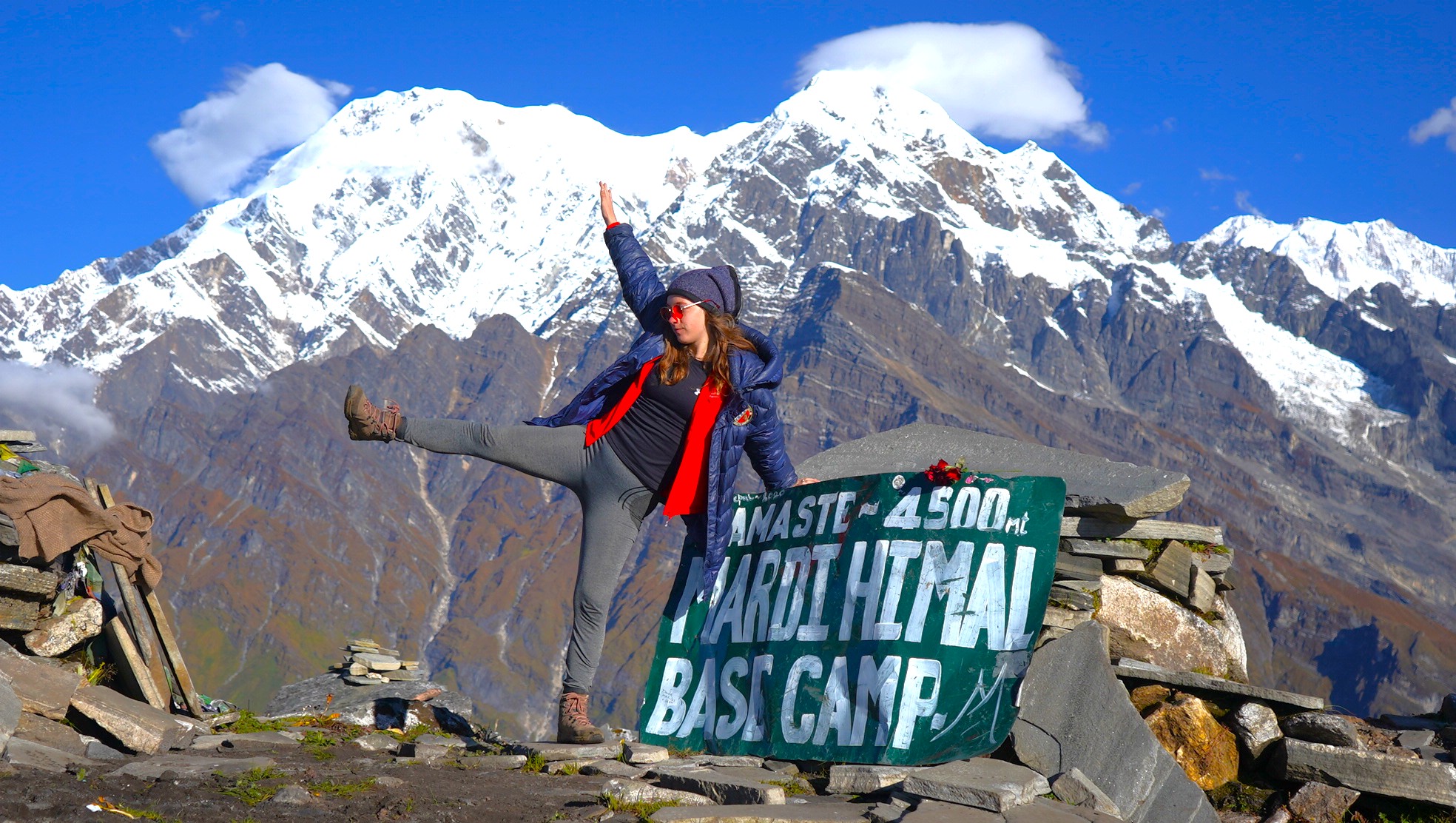
Imagine standing at Mardi Himal High Camp — 4,500 metres above sea level — as the first rays of sun ignite the ice faces of Machhapuchhre (Fishtail), Annapurna South, and Hiunchuli. The world turns from indigo to copper to blazing white. That moment is what you come here for. But it only happens when the weather cooperates.
The Mardi Himal Trek is one of Nepal's fastest-growing trekking routes. It sits off the main Annapurna circuit, tucked into a ridge east of Machhapuchhre Base Camp, and it rewards trekkers with some of the most intimate close-up views of the Annapurna massif anywhere in Nepal. At roughly 3–7 days depending on your route and pace, it is accessible to fit beginners — yet the altitude, terrain, and ever-shifting Himalayan weather mean your choice of travel month can genuinely make or break the experience.
Arrive at the wrong time and you may find: a wall of cloud where the mountains should be, a muddy trail slippery with leeches, or a snow-blocked path that forces a turnaround. Arrive at the right time and you will understand instantly why people fly thousands of kilometres for this.
This guide covers every month, every season, real temperature data, trail conditions, crowd levels, gear lists, and honest pros and cons — so you can make an informed decision before you book that flight to Kathmandu.
At-a-Glance: Mardi Himal Trek Season Overview
Season Months Temp at 4,000 m Rain / Snow Trail Crowds Rating
🌸 Spring Mar – May 3°C – 14°C Low–moderate Good Moderate ★★★★☆
🌧️ Monsoon Jun – Sep 2°C – 10°C Very High Hard Very Low ★★☆☆☆
🍂 Autumn Oct – Nov -2°C – 10°C Very Low Excellent Moderate ★★★★★
❄️ Winter Dec – Feb -12°C – 2°C Low (snow) Challenging Very Low ★★★☆☆
Understanding Mardi Himal's Climate
Geography and Altitude Range
The Mardi Himal Trek begins at around 1,070 m in Kande (or Phedi) near Pokhara and climbs to the Mardi Himal High Camp at approximately 4,500 m, with the summit viewpoint topping out near 5,587 m. That 3,500-metre altitude gain means you pass through at least four distinct climatic zones — subtropical forest, temperate forest, sub-alpine, and alpine — each with its own temperature, humidity, and precipitation pattern.
The Monsoon: The Dominant Weather Force
Nepal's climate is dominated by the South Asian Monsoon, which sweeps up from the Bay of Bengal between June and September. During this period, moisture-laden clouds dump enormous amounts of rain on the southern slopes of the Himalaya. The Annapurna region receives some of the highest rainfall totals in Nepal — sometimes over 3,000 mm per year — because the mountains act as a giant barrier that forces wet air upward, where it cools and condenses.
Outside the monsoon, two dry seasons offer the clearest, most stable conditions: the post-monsoon autumn and the pre-monsoon spring. A cold, dry winter lies in between.
Micro-Climates on the Trail
Even within a single day on the Mardi Himal trail, conditions can vary dramatically. The lower sections (Forest Camp, Low Camp) are sheltered by dense rhododendron and oak forest, which traps humidity and buffers temperature swings. As you ascend to Middle Camp and High Camp, the forest gives way to open ridge lines exposed to wind and rapid temperature drops after sunset. The upper trail — particularly above 3,500 m — can experience afternoon clouds even in autumn, so most experienced trekkers aim to reach High Camp before noon to catch the clearest mountain views.
🗻 Pro Tip
At High Camp (4,500 m), even in October, temperatures drop to -5°C to -10°C at night. Always carry a sleeping bag rated to at least -10°C, regardless of what the season table suggests for "average" temperatures.
Seasonal Deep-Dive
Spring — Pre-Monsoon
MARCH · APRIL · MAY
Best window: Late March – mid-May
Rhododendrons in full bloom, warming days, mostly clear skies. The classic "second-best season."
Overall
★★★★☆
Views
★★★★☆
Ease
★★★★☆
🌧️
Monsoon — Summer
JUNE · JULY · AUG · SEP
Best window: Late September only
Lush, green, dramatic. Heavy rain, leeches, poor visibility. For experienced adventurers with the right gear.
Overall
★★☆☆☆
Views
★☆☆☆☆
Ease
★★☆☆☆
🍂
Autumn — Post-Monsoon
OCTOBER · NOVEMBER
Best window: Mid-Oct – early Nov
Crystal-clear skies, washed air, golden light on snow peaks. The undisputed #1 trekking season in Nepal.
Overall
★★★★★
Views
★★★★★
Ease
★★★★★
❄️
Winter
DECEMBER · JAN · FEBRUARY
Best window: Late Dec – early Feb (low snow years)
Snow-blanketed trails, fewest trekkers, extreme cold at night. Requires full winter kit and experience.
Overall
★★★☆☆
Views
★★★★☆
Ease
★★☆☆☆
🌸 Spring (March–May) — Rhododendrons and Rising Warmth
Spring is when the Mardi Himal trail comes alive with colour. The lower forests — stretching from Pitam Deurali up to Forest Camp — erupt in blazing red and pink rhododendron blooms between mid-March and late April. These are not small garden shrubs; they are massive trees that form entire canopies above the path, creating a tunnel of colour at around 2,500–3,200 m elevation.
March starts cool, with lingering snow on the upper sections above 4,000 m and overnight temperatures well below freezing at High Camp. Daytime is pleasant from mid-altitude down. April is widely considered the best spring month: the rhododendrons are in full bloom, the snow has mostly cleared from the main trail, daytime temperatures at mid-altitude (Low Camp, ~2,990 m) reach a comfortable 10–15°C, and skies are mostly clear in the mornings. May remains pleasant but carries increasing risk of pre-monsoon afternoon clouds and occasional showers, especially in the last two weeks of the month.
📸 Photography Highlight
For rhododendron photography, aim for the first two weeks of April. The flowers peak at 2,500–3,000 m; you can time your ascent to catch blooms at progressively higher elevations over several days.
Who should choose Spring? Trekkers who love colour, warmer conditions, and want solid mountain views without the extreme cold of autumn nights. Families, first-time high-altitude trekkers, and photography enthusiasts will all love April on Mardi Himal.
🌧️ Monsoon (June–September) — The Challenge Season
Let's be honest: the monsoon is not the right time for most trekkers on Mardi Himal. From June through mid-September, the trail receives relentless rainfall. The lower sections become muddy and slippery. Leeches appear in large numbers, particularly below 2,500 m. Rivers and streams swell and can occasionally block the path. Most critically, cloud cover is near-total above 3,000 m for days at a time, meaning you may trek all the way to High Camp and see nothing but grey mist where the mountains should be.
That said, the monsoon has its own dramatic beauty. The hillsides turn a vivid deep green. Waterfalls appear everywhere. The forest is misty and atmospheric. And you will likely have the entire trail to yourself.
Who should consider the monsoon? Experienced trekkers with proper rain gear (fully waterproof jacket, gaiters, waterproof pack cover, leech socks), a flexible schedule of at least 2 extra days built in for weather, and a genuine appreciation for moody, atmospheric mountain landscapes rather than panoramic summit views.
⚠️ Landslide Risk
The road from Pokhara to the trek start (Kande) passes through areas prone to landslides during heavy monsoon rain. Always check local conditions before the drive and never travel this road at night during the monsoon season.
Late September is a transition month — rain begins to ease, the landscape is still lush, and you might catch your first glimpses of cleared peaks. It can be a rewarding compromise for trekkers who want greenery without the full monsoon misery.
🍂 Autumn (October–November) — The Golden Season ⭐ Best Overall
Autumn is the best time to trek Mardi Himal — full stop. The monsoon departs in late September, leaving the air scrubbed clean of dust and haze. The result is visibility that feels almost supernatural: you can see the Annapurna massif with razor-sharp clarity from summit to glacier, every crevasse and snowfield in perfect focus. The famous sunrise from High Camp — where Machhapuchhre turns from deep blue to pink to blazing orange — is at its most spectacular between mid-October and early November.
Temperatures are ideal for trekking. Daytime at Low Camp (2,990 m) sits around 12–18°C — warm enough for a T-shirt in the sun, cool enough to maintain your pace without overheating. Nights at High Camp drop to -5°C to -10°C, which requires a good sleeping bag and layering system, but is manageable for any reasonably prepared trekker.
Trail conditions are excellent: dry, firm, and well-signed. The autumn forest offers its own visual reward — leaves turn gold and amber on the lower slopes, providing a beautiful contrast to the snow-white peaks above. Crowds are moderate by Nepali trek standards; you will share lodges but will not feel overwhelmed.
The sweet spot: October 15 – November 5. After November 10, temperatures at High Camp begin dropping sharply, night wind picks up, and some of the higher lodges may start closing for the season.
❄️ Winter (December–February) — Snow Trails and Solitude
Winter on Mardi Himal is a niche experience for well-prepared trekkers. The trail above 3,500 m receives significant snowfall, particularly in January. High Camp can be buried under 30–60 cm of fresh snow after a storm, making navigation difficult and crampon / microspike use mandatory.
The rewards are real: the mountains look stunning against a deep blue winter sky, fresh snow creates a pristine, otherworldly landscape, and you will have the trail almost entirely to yourself. Lodge prices drop, there are no queues, and the silence at High Camp at dawn is profound.
Night temperatures at High Camp can reach -15°C to -20°C in January, which crosses from "cold trekking" into genuine alpine conditions. A -20°C sleeping bag, down suit or very heavy synthetic jacket, and waterproof gaiters are not optional extras — they are survival gear at this time of year.
Who is winter for? Cold-weather trekking enthusiasts, mountaineers who want a snow experience without technical climbing, and photographers after dramatic snowscape images. Not recommended for beginners or anyone without cold-weather camping experience.
Frequently Asked Questions
What is the best month to do the Mardi Himal Trek?
The single best month is October, followed closely by early November and April. October offers the perfect combination of post-monsoon crystal-clear skies, comfortable daytime temperatures (2–10°C at High Camp), dry trails, and stable weather. The famous sunrise over Machhapuchhre from High Camp is at its absolute best in October.
Can a beginner do the Mardi Himal Trek?
Yes — the Mardi Himal Trek is one of the most beginner-friendly high-altitude treks in Nepal. The maximum altitude (4,500 m at High Camp) is manageable for most healthy adults who ascend gradually, stay hydrated, and listen to their bodies. Choose spring (April) or autumn (October–early November) for the easiest conditions. Hire a local guide if it is your first time at altitude — they add safety and local knowledge, and the cost is reasonable (approximately USD 25–35 per day).
Can I trek Mardi Himal during the monsoon season?
Technically yes, but it is not recommended for most trekkers. Heavy rainfall (700–900 mm in July alone in Pokhara), leeches, muddy trails, and persistent cloud cover that blocks mountain views make the experience genuinely difficult and often unrewarding. If you must trek in the monsoon, late September is the most viable window, as rain begins to ease and the landscape is still beautifully lush.
How cold does it get at Mardi Himal High Camp?
At High Camp (~4,500 m), overnight temperatures range from approximately -5°C to -10°C in October, -10°C to -15°C in November and March, and -15°C to -20°C in December through February. Daytime temperatures at High Camp in the best trekking months (October, April) typically range from 2°C to 12°C in the sun. Always pack a sleeping bag rated for at least -10°C, regardless of season.
Do I need a guide for the Mardi Himal Trek?
A guide is not legally required, but is strongly recommended, especially for first-time visitors to Nepal or those trekking in winter or the monsoon. The trail is generally well-marked in autumn and spring, but signs can be unclear after snowfall or in heavy rain. A guide also adds a safety net for medical emergencies, navigation above the snowline, and communication with lodge owners. Porters are also available and are worth considering — carrying a heavy pack at altitude significantly increases fatigue and altitude sickness risk.
How does Mardi Himal compare to Annapurna Base Camp (ABC) for best timing?
Both treks share the same optimal seasons — autumn (October–November) and spring (March–May). The key differences: Mardi Himal reaches a lower maximum altitude (4,500 m vs 4,130 m at ABC, though the viewpoint is higher), is shorter (3–7 days vs 7–12 days for ABC), has fewer trekkers even in peak season, and offers closer views of Machhapuchhre. If you want more solitude and a shorter commitment, Mardi Himal is the better choice in any season.
Are there any festivals that coincide with the Mardi Himal trek season?
Yes — and they are worth planning around. Dashain (Nepal's biggest Hindu festival, lasting 15 days in October) and Tihar (Festival of Lights, 5 days in October–November) fall in the peak trekking season. While these festivals are wonderful to witness in Pokhara, be aware that some Nepali guides and lodge staff travel home to their families during Dashain, which can occasionally affect service availability on the trail. Book your guide and lodges well in advance if your dates overlap with these festivals.
How many days does the Mardi Himal Trek take?
The classic Mardi Himal Trek takes 5–7 days including return. Fit, experienced trekkers sometimes complete it in 4 days (staying at High Camp for one night), but this is rushed and increases AMS risk by ascending too quickly. A 6–7 day itinerary allows for proper acclimatisation, more time enjoying High Camp's sunrise, and a more relaxed descent. Budget one extra day as a weather buffer in any season.
What is the altitude of Mardi Himal High Camp?
Mardi Himal High Camp sits at approximately 4,450–4,500 metres above sea level. From the viewpoint area above High Camp, you can reach approximately 4,900–5,000 m. The actual Mardi Himal summit is at 5,587 m and requires technical mountaineering — it is not accessible to trekkers without climbing permits and equipment.
Final Word
Final Takeaway — When Should You Go?
If you only remember one thing from this guide: go in October if you can. The skies are at their clearest, the trails are at their best, and the sunrise at Mardi Himal High Camp — with Machhapuchhre glowing pink and gold against a deep blue sky — is one of the finest mountain spectacles in the whole of Nepal.
If October does not fit your schedule, April is an excellent alternative that adds the magic of rhododendron forests and slightly warmer conditions. November is fine if you pack for the cold. March is possible but requires preparation for lingering snow on the upper trail.
Whatever season you choose, the Mardi Himal Trek will reward you. It is shorter and quieter than its famous neighbours (Annapurna Base Camp, Poon Hill), yet its ridge-top trail delivers views that are every bit as breathtaking — often more so, because you have them almost to yourself. That combination of accessibility and raw Himalayan grandeur is why this route has become one of Nepal's most loved new trails in recent years.
Go prepared, go at the right time, and go with respect for the mountains and the communities that call this extraordinary landscape home.
