spring 발표
3.6 Criteria API
- 상황 : JPQL 로는 컴파일 타임 쿼리 검증 불가
- 쿼리를 프로그램 코드로 작성할 수 있어 타입 안정성 보장
- JPA standard 를 따름
flow
1. criteria builder 인스턴스 생성
2. criteria query(로직) 인스턴스 생성 => createQuery, createCriteriaDelete, createCriteriaUpdate
3. root설정
4. 조건설정
5. TypedQuery정의
6. 실행
ex
import static org.assertj.core.api.Assertions.assertThat;

@SpringBootTest
class PatientTrackerSpringBootApplicationTests{

  @Autowired
  private PatientRepository patientRepository;

  @Autowired
  private EntityManager entityManager;

  @Test
  public void givenPatientsCreatedWhenLoadPatientsThenExpectCorrectPatientDetails(){
    patientRepository.saveAll(getPatientList());

    CriteriaBuilder criteriaBuilder = entityManager.getCriteriaBuilder();
    CriteriaQuery<Patient> patientCriteriaQuery = criteriaBuilder.createQuery(Patient.class);

    Root<Patient> patientRoot = patientCriteriaQuery.from(Patient.class);
    Predicate patientCategoryPredicate = criteriaBuilder.equal(patientRoot.get("sex"),"W");
    patientCriteriaQuery.Where(patientCategoryPredicate);
    TypedQuery<Patient> query = entityManager.createQuery(patientCriteriaQuery);

    assertThat(query.getResultList().size()).IsEqualTo(2);
  }

  private List<Patient> getPatientList(){
    return Arrays.asList(
      new Patient(1,"전능","M",24),
      new Patient(2,"능아","W",21),
      new Patient(3,"이티","M",17),
      new Patient(4,"티전","W",35),
      new Patient(5,"전능아","M",3)
    );
  }
}
3.7 스프링 데이터 JPA, QueryDSL
- 상황 : Criteria => JPA native standard but 코드양 길다
- 타입 안정성(컴파일 타임에 검증)
- 평문형(fluent) api
- 서드파티 라이브러리
사용법
-
pom.xml 에 의존관계,플러그인 추가
- querydsl-apt : 소스파일에 사용된 annotation을 컴파일 단계에 들어가기 전에 먼저 처리할 수 있게해주는
애너테이션 처리도구- ex) Patient 엔티티 클래스 바탕으로 QPatient.java 파일 생성
- querydsl-jpa : JPA 애플리케이션에서 QueryDSL을 사용할 수 있게 해주는 라이브러리
- ex) JPA => querydsl-jpa , MongoDB => querydsl-mongodb
- apt-maven-plugin : 메이븐 process 골에서 Q타입 클래스가 생성되도록 보장하는 플러그인, 파일 저장 위치
설정 가능<dependencies> <dependency> <groupId>com.querydsl</groupId> <artifactId>querydsl-apt</artifactId> </dependency> <dependency> <groupId>com.querydsl</groupId> <artifactId>querydsl-jpa</artifactId> </dependency> </dependencies> <build> <plugins> <plugin> <groupId>org.springframework.boot</groupId> <artifactId>spring-boot-maven-plugin</artifactId> </plugin> <plugin> <groupId>com.mysema.maven</groupId> <artifactId>apt-maven-plugin</artifactId> <version>1.1.3</version> <executions> <execution> <phase>generate-sources</phase> <goals> <goal>process</goal> </goals> <configuration> <outputDirectory>target/generated-sources/java</outputDirectory> <processor>com.querydsl.apt.java.JPAAnnotationProcessor</processor> </configuration> </execution> </executions> </plugin> </plugins> </build>
- querydsl-apt : 소스파일에 사용된 annotation을 컴파일 단계에 들어가기 전에 먼저 처리할 수 있게해주는
-
Repository 가 추가적으로 Querydsl Predicate 도 상속하게
    @Repository
    public interface PatientRepository extends CrudRepository<Patient, int>,
      QuerydslPredicateExecuter<Patient> {
      }
-
사용
3.1 Flow
1. 자동생성 QPatient로 patient인스턴스 정의
2. JPAQuery 인스턴스 생성 => QueryDSL에서 JPA를 사용할 수 있게 해주즌 JPQL인터페이스의 기본 구현
3. QueryDSL의 from(), where() 메서드를 상요해서 from where 절 정의
4. 쿼리 실행 => fetch()
@SpringBootTest
class PatientSpringBootApplicationTest{

  @Autowired
  private PatientRepository patientRepository;

  @Autowired
  private EntityManager entityManager;

  @Test
  public void givenPatientsCreatedWhenLoadPatientsThenExpectCorrectPatientDetails() {
    patientRepository.saveAll(getPatientList());

    Qpatient patient = Qpatient.patient;

    JPAQuery query1 = new JPAQuery(entityManager);
    query1.from(patient).where(patient.sex.eq("W"));
    assertThat(query1.fetch().size().isEqualTo(2));

    JPAQuery query2 = new JPAQuery(entityManager);
    query1.from(patient).where(patient.sex.eq("W").and(patient.age.gt(30)));
    assertThat(query1.fetch().size().isEqualTo(1));

    OrderSpecifier<Integer> descOrderSpecifier = patient.age.desc();
    new asserThat(Lists.newArrayList(patientRepository.findAll(descOrderSpecifier)).get(0).getName())
      .isEqualTo("티전");
  }

  private List<Patient> getPatientList(){
    return Arrays.asList(
      new Patient(1,"전능","M",24),
      new Patient(2,"능아","W",21),
      new Patient(3,"이티","M",17),
      new Patient(4,"티전","W",35),
      new Patient(5,"전능아","M",3)
    );
  }
}- 여기서 findAll(OrderSpecifier<?> orders)는 QuerydslPredicateExecutor 에 정의됨
| Criteria API | QueryDSL | |
|---|---|---|
| 종류 | JPA 표준 API | 외부 라이브러리 (QueryDSL) |
| 사용성 | 상대적으로 복잡함 | 간편하고 직관적임 |
| 쿼리 작성 방식 | 메서드 체이닝 방식 | 자바 코드로 쿼리를 작성 |
| 타입 안정성 | 상대적으로 낮음 | 높음 |
| 동적 쿼리 처리 | 복잡하고 가독성이 낮음 | 간편하고 가독성이 높음 |
| 코드 생성 | 수동으로 코드를 작성해야 함 | 자동으로 코드를 생성함 |
| 성능 | JPA 구현체에 의존하여 성능 차이가 있을 수 있음 | 성능 향상을 위한 최적화 가능 |
3.7.2 기법:프로젝션(인터페이스 기반 프로젝션)
프로젝션 - 필요한 데이터만 추려서 조회
- query의 select ~ 이부분을 컴파일 타임의 타입 안정성을 유지하며 사용
사용법
public interface NameOnly{
  String getName();
}
@Repository
public interface PatientRepository extends CrudRepository<Patient,int>{
Iterable<NameOnly> getPatientById(int id);
}@Test
public void getPatientByIdSuccess(){
Iterable<NameOnly> result =
patientRepository.getPatientById(1);
assertThat(result).extracting("Name").contains("전능");
}3.8 도메인 객체 관계 관리 - 클래스 기반 프로젝션
-
1:1
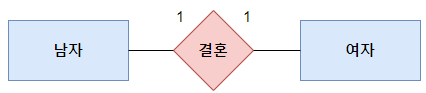
-
1:n
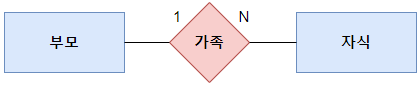
-
n:1 - 1:n reverse
-
n:m

n:m 관계에서 도메인 객체관리
patients, hospitals, patients_hospitals 의 경우로 사용법
-
sql 생성
CREATE TABLE patients( id long NOT NULL, name string, age int, sex string, primary key (id) ); CREATE TABLE patients_hospitals( patient_id long not null, hospital_id long not null, primary key (patient_id,hospital_id) ); CREATE TABLE hospitals( id long not null, name string, hospital_type int, primary key (id) ) ALTER TABLE patients_hospitals ADD CONSTRAINT patient_id_fk FOREIGN KEY (patient_id) references patients (id); ALTER TABLE patients_hospitals ADD CONSTRAINT hospital_id_fk FOREIGN KEY (hospital_id) references hospitals (id); -
엔티티 클래스 생성
 package com.manning.sbip.ch03.model;

 import javax.persistence.*;
 import java.util.HashSet;
 import java.util.Set;

 @Entity(name = "Patient")
 @Table(name="Patients")
 public class Patient {

 @Id
 @GeneratedValue(strategy = GenerationType.IDENTITY)
 private long id;
 private String name;
 private String sex;
 private int age;

 @ManyToMany
 @JoinTable(name = "patients_hospitals",
         joinColumns = {@JoinColumn(name="patient_id", referencedColumnName = "id", nullable = false, updatable = false)},
         inverseJoinColumns = {@JoinColumn(name="hospital_id", referencedColumnName = "id", nullable = false, updatable = false)}
 )
 private Set<hospital> hospitals = new HashSet<>();

 // ctor, getter, setter 생략
}
package com.manning.sbip.ch03.model; import javax.persistence.*; import java.util.HashSet; import java.util.Objects; import java.util.Set; @Entity(name = "hospital") @Table(name = "hospital") public class Hospital { @Id @Column(name = "ID") @GeneratedValue(strategy = GenerationType.IDENTITY) private long id; @Column(name = "NAME") private String name; @Column(name = "HOSPITAL_TYPE") private String hospital_type; @ManyToMany(mappedBy = "hospital") private Set<Patient> patients = new HashSet<>(); //ctor, getter,setter 생략 }@Entity(name="patients_hospitals") @TABLE(name = "patients_hospitals") public class AuthorCourse{ @Id @Column(name="patient_id") private long patientId; @Column(name="hopital_id") private long hopitalId; }package com.manning.sbip.ch03.dto; public class AuthorCourseDto { private long id; private String patientName; private String hospitalName; public PatientHospitalDto(long id, String patientName, String hospitalName) { this.id = id; this.authorName = authorName; this.courseName = courseName; } @Override public String toString() { return "{" + "id=" + id + ", patientName='" + patientName + '\'' + ", hospitalName='" + hospitalName + '\'' + '}'; } }package com.manning.sbip.ch03.repository; import org.springframework.data.jpa.repository.Query; import org.springframework.data.repository.CrudRepository; import org.springframework.stereotype.Repository; import com.manning.sbip.ch03.dto.PatientHospitalDto; import com.manning.sbip.ch03.model.Author; @Repository public interface PatientRepository extends CrudRepository<patient, int> { @Query("SELECT new com.manning.sbip.ch03.dto.PatientHospitalDto(c.id, a.name, c.name)" + "from Patients a, Hospitals c, patients_hospitals ac where a.id = ac.patientId and c.id=ac.hospitalId and ac.patientId=?1") Iterable<PatientHospitalDto> getPatientHospitalInfo(long patientId); }

Student , Junior Developer