객체 지향 프로그래밍(OOP)
- 큰 파일을 작은 파일로 나눈다, 그리고 각각의 부분을 서로 다른 팀들이 분담하는 것이다.
- 이렇게 하면, 더 크고 복잡한 프로그래밍을 할 수 있게 된다.
OOP는 왜 필요하고 어떻게 동작하는가?
자동차를 만들 때, 혼자 모든 부품을 담당할 수 없는 거랑 같다.
각자의 역할을 나누고, 서로 호환되는 부품을 제작한 뒤에, 조립하는 것이 효율이 좋다.
OOP 사용법: 클래스와 객체
속성(attributes): 객체가 가지고 있는 속성, 클래스 속성과 인스턴스 속성이 있다.
- 클래스 속성: self를 사용하지 않고 정의하며, 해당 클래스에 속한 모든 객체에게 영향을 끼친다.
- 인스턴스 속성: self를 이용해 정의, 해당 인스턴스에서만 유효하다.
메소드(methods): 클래스의 연산 수행을 의미한다. 클래스의 동작이라고 생각하면 편하다.
객체 만들고 속성과 메소드에 접근하기
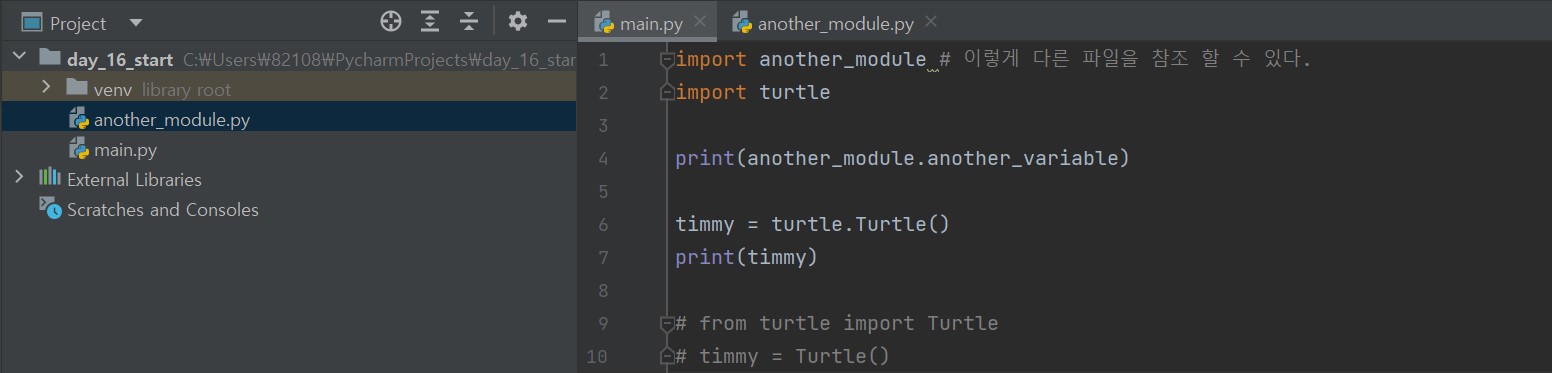
청사진을 만들거나 가져온 뒤에, 그것을 활용하여 여러 객체들을 제작 할 수 있다.
연습문제
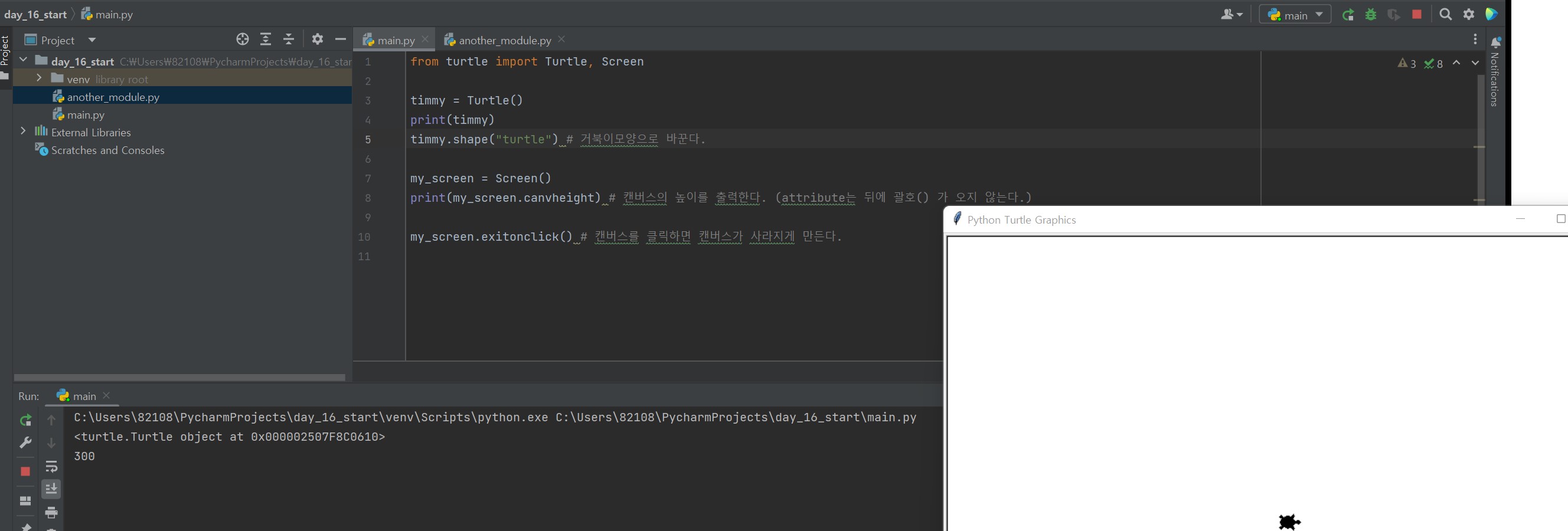
거북이의 색을 바꾸고 싶다면 어떻게 해야 할까?
- timmy.color() 라는 메소드를 이용한다. () 안에는 바꾸고 싶은 색을 입력한다.
- 예) timmy.color("coral")
거북이를 움직이려면 어떻게 해야 할까?
- timmy.forward(100)
PyPi를 이용해 파이썬 패키지를 추가하는 방법
다른 개발자가 작성한 코드를 사용하는 일반적인 방법은 코드 패키지를 사용하는 것이다.
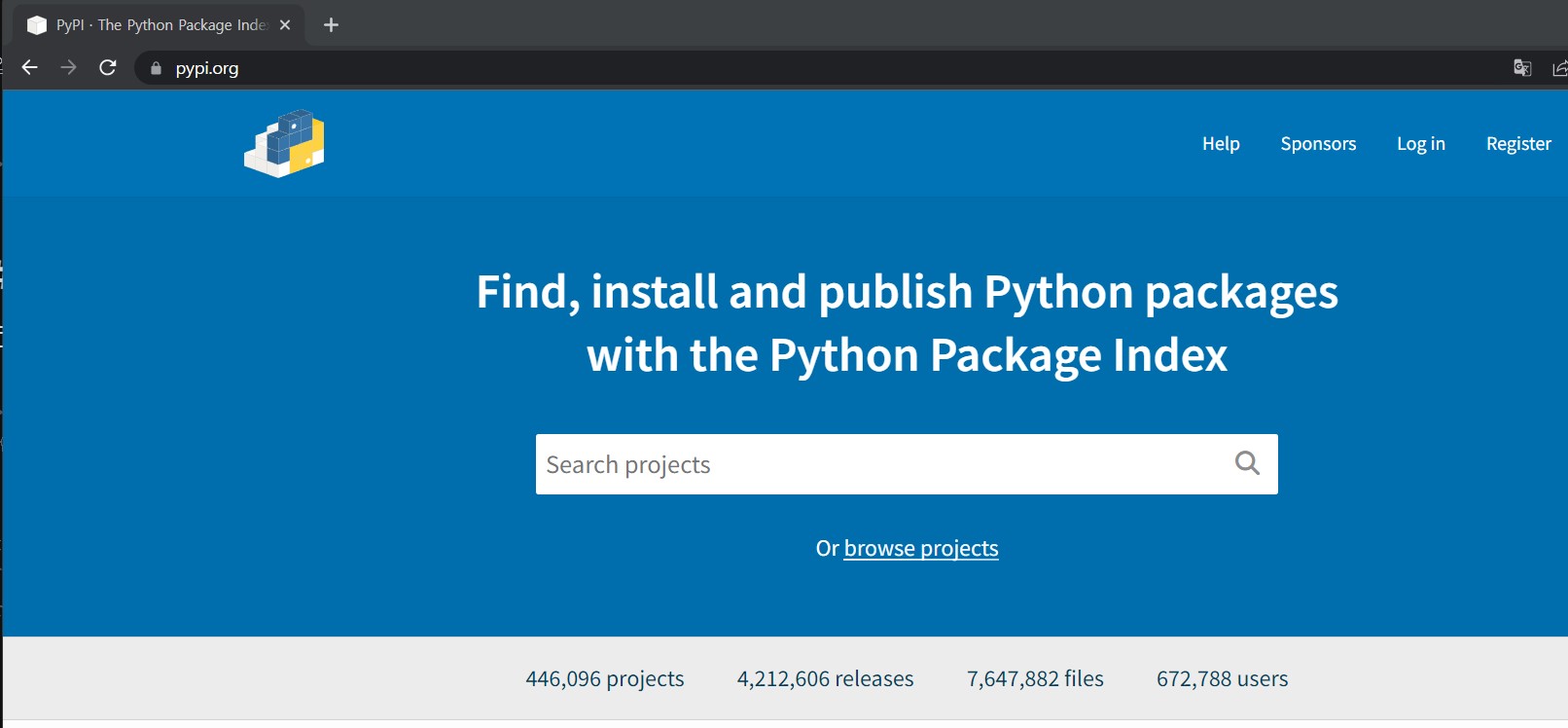
파이썬에 기본으로 깔려있는 터틀 패키지와는 다르게, 파이썬 패키지 인덱스에서 찾은 패키지를 사용하려면, 설치가 필요하다.
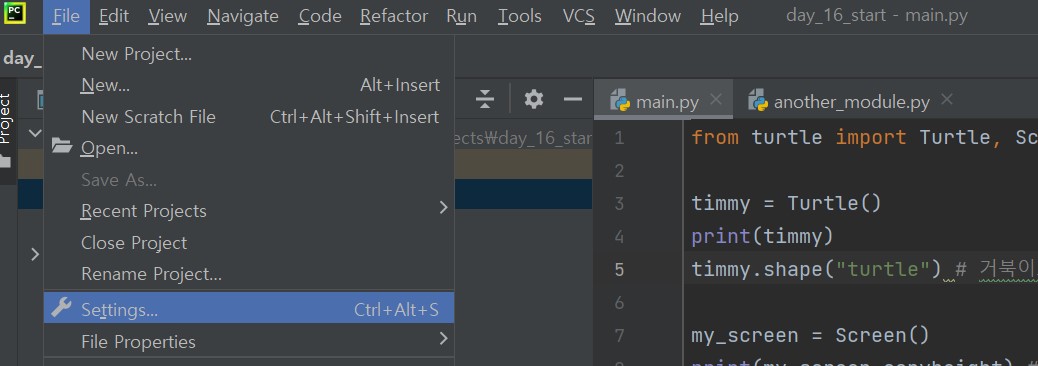
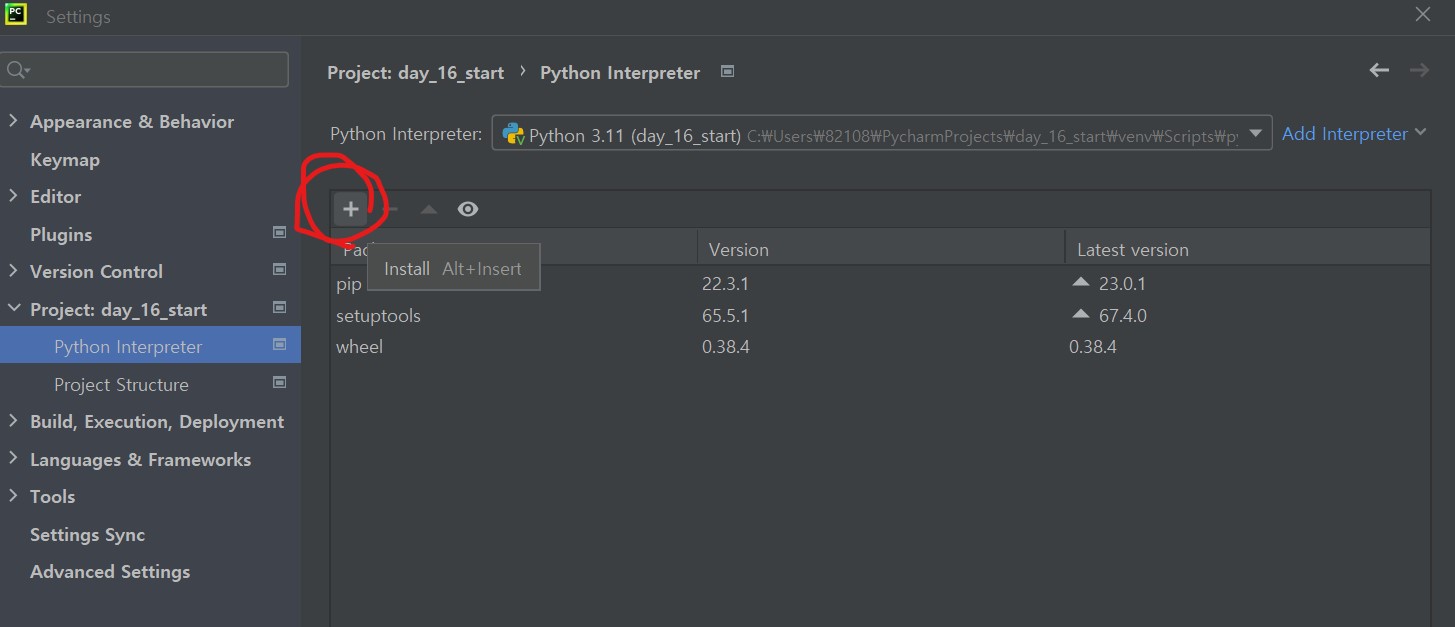
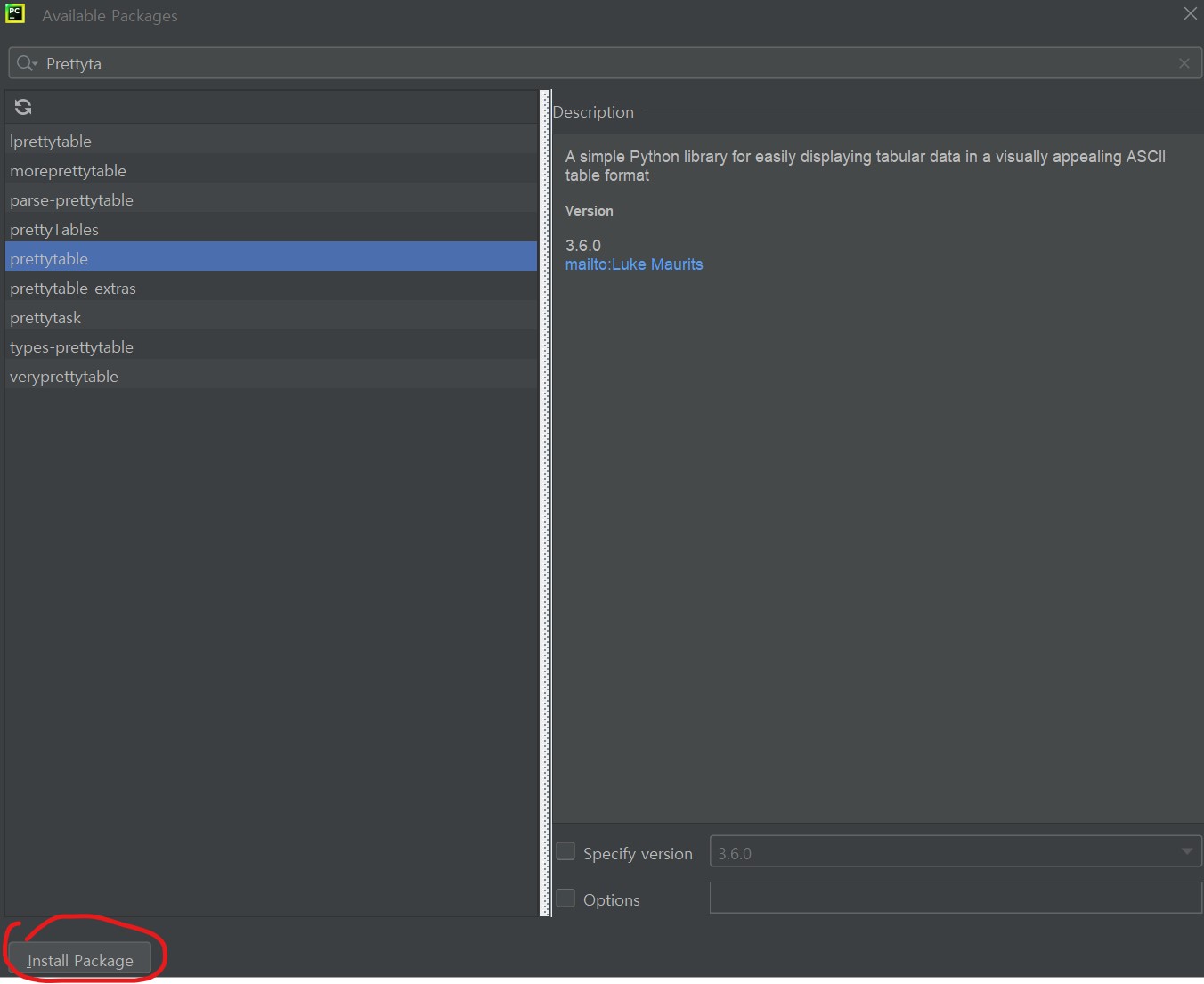
이렇게 하면 설치가 완료된다.
그 다음, 패키지에 대한 설명을 읽고 어떻게 사용하는지 확인을 한 후 사용하면 된다.
객체 속성 변경 및 메소드 호출 연습
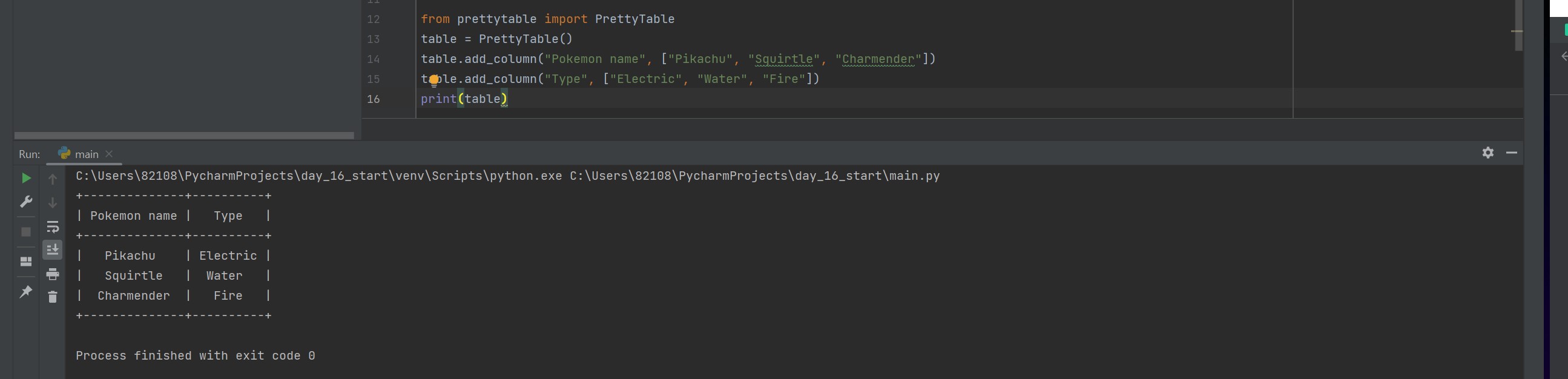
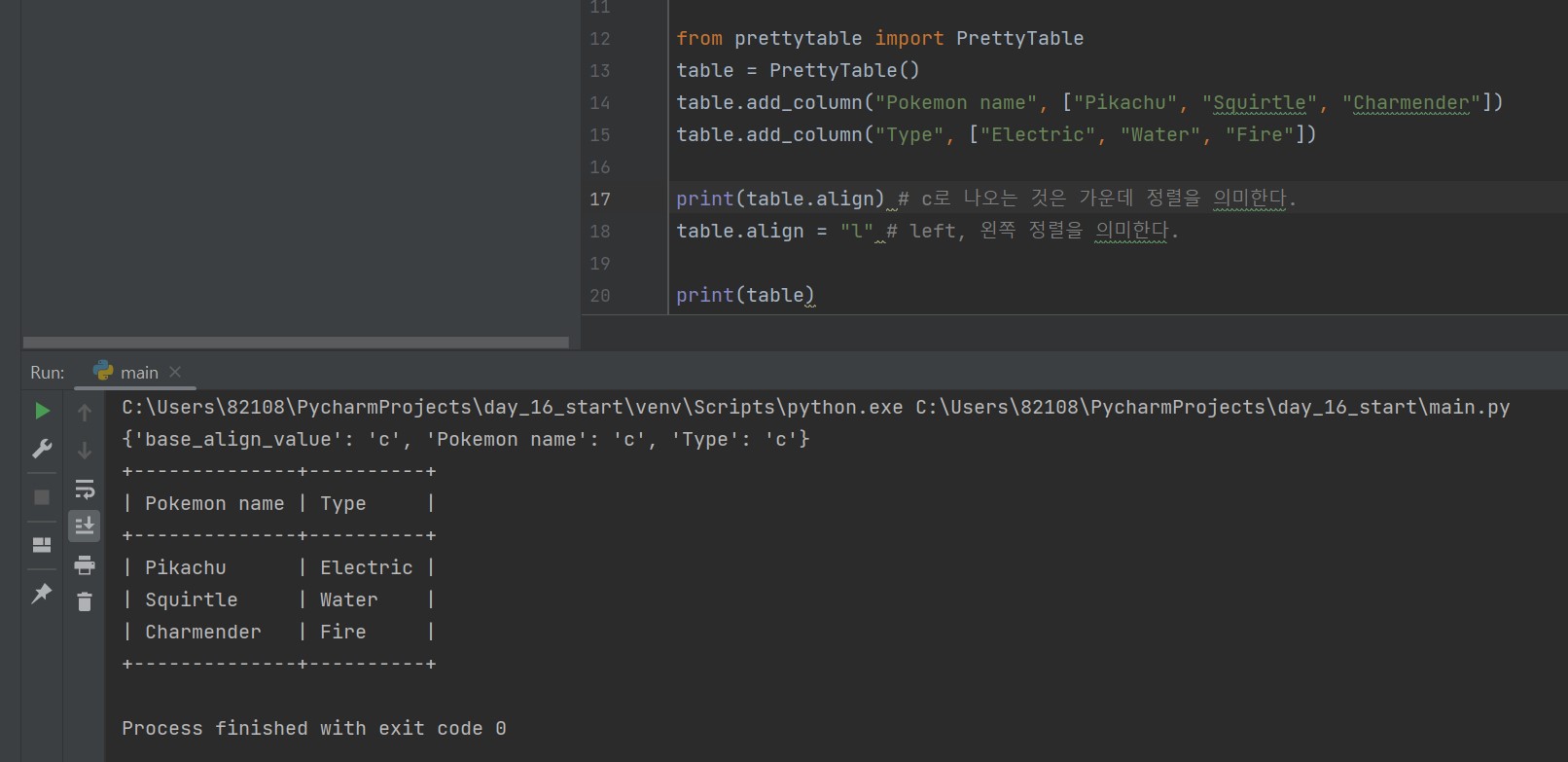
다음은, 속성을 이용하여 정렬을 바꾸는 방법이다.
OOP로 커피 자판기 만들기
코드
coffee_maker.py는 아래와 같다.
class CoffeeMaker:
    """Models the machine that makes the coffee"""
    def __init__(self):
        self.resources = {
            "water": 300,
            "milk": 200,
            "coffee": 100,
        }

    def report(self):
        """Prints a report of all resources."""
        print(f"Water: {self.resources['water']}ml")
        print(f"Milk: {self.resources['milk']}ml")
        print(f"Coffee: {self.resources['coffee']}g")

    def is_resource_sufficient(self, drink):
        """Returns True when order can be made, False if ingredients are insufficient."""
        can_make = True
        for item in drink.ingredients:
            if drink.ingredients[item] > self.resources[item]:
                print(f"Sorry there is not enough {item}.")
                can_make = False
        return can_make

    def make_coffee(self, order):
        """Deducts the required ingredients from the resources."""
        for item in order.ingredients:
            self.resources[item] -= order.ingredients[item]
        print(f"Here is your {order.name} ☕️. Enjoy!")
menu.py는 아래와 같다.
class MenuItem:
    """Models each Menu Item."""
    def __init__(self, name, water, milk, coffee, cost):
        self.name = name
        self.cost = cost
        self.ingredients = {
            "water": water,
            "milk": milk,
            "coffee": coffee
        }


class Menu:
    """Models the Menu with drinks."""
    def __init__(self):
        self.menu = [
            MenuItem(name="latte", water=200, milk=150, coffee=24, cost=2.5),
            MenuItem(name="espresso", water=50, milk=0, coffee=18, cost=1.5),
            MenuItem(name="cappuccino", water=250, milk=50, coffee=24, cost=3),
        ]

    def get_items(self):
        """Returns all the names of the available menu items"""
        options = ""
        for item in self.menu:
            options += f"{item.name}/"
        return options

    def find_drink(self, order_name):
        """Searches the menu for a particular drink by name. Returns that item if it exists, otherwise returns None"""
        for item in self.menu:
            if item.name == order_name:
                return item
        print("Sorry that item is not available.")
main.py는 아래와 같다.
from menu import Menu
from coffee_maker import CoffeeMaker
from money_machine import MoneyMachine

money_machine = MoneyMachine()
coffee_maker = CoffeeMaker()
menu = Menu()

is_on = True

while is_on:
    options = menu.get_items()
    choice = input(f"What would you like? ({options}): ")
    if choice == "off": # 자판기를 끔.
        is_on = False
    elif choice == "report": # 보고를 받는 명령.
        coffee_maker.report()
        money_machine.report()
    else:
        drink = menu.find_drink(choice)

        if coffee_maker.is_resource_sufficient(drink) and money_machine.make_payment(drink.cost):
          coffee_maker.make_coffee(drink)
money_machine.py는 아래와 같다.
class MoneyMachine:

    CURRENCY = "$"

    COIN_VALUES = {
        "quarters": 0.25,
        "dimes": 0.10,
        "nickles": 0.05,
        "pennies": 0.01
    }

    def __init__(self):
        self.profit = 0
        self.money_received = 0

    def report(self):
        """Prints the current profit"""
        print(f"Money: {self.CURRENCY}{self.profit}")

    def process_coins(self):
        """Returns the total calculated from coins inserted."""
        print("Please insert coins.")
        for coin in self.COIN_VALUES:
            self.money_received += int(input(f"How many {coin}?: ")) * self.COIN_VALUES[coin]
        return self.money_received

    def make_payment(self, cost):
        """Returns True when payment is accepted, or False if insufficient."""
        self.process_coins()
        if self.money_received >= cost:
            change = round(self.money_received - cost, 2) # 소수점 둘째자리.
            print(f"Here is {self.CURRENCY}{change} in change.")
            self.profit += cost
            self.money_received = 0
            return True
        else:
            print("Sorry that's not enough money. Money refunded.")
            self.money_received = 0
            return False

신입사원...