The Growing Popularity of Pilates in Modern Wellness
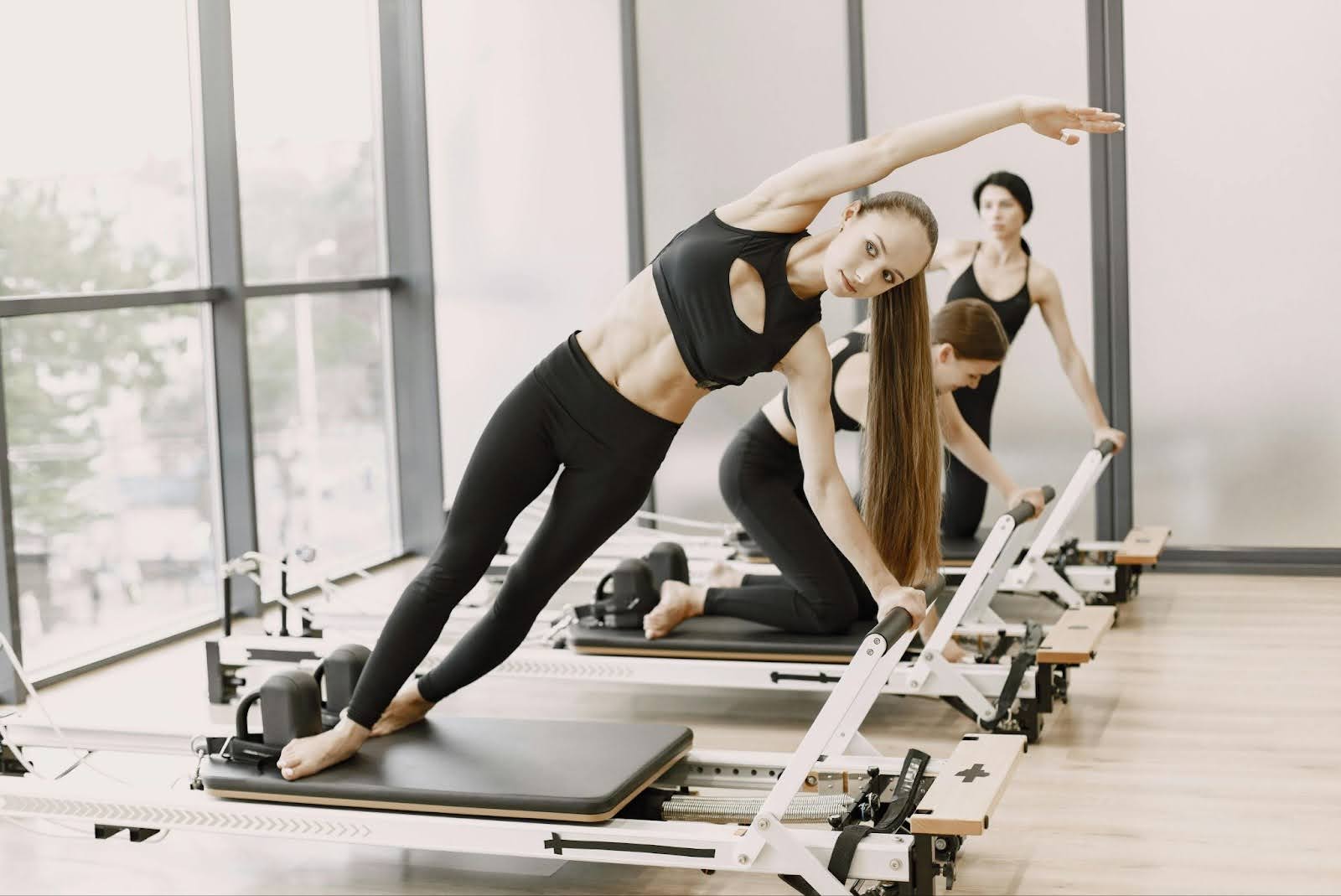
In recent years, Pilates has become one of the most popular forms of low-impact exercise for people seeking strength, flexibility, and balance. Unlike high-intensity workouts that focus purely on endurance or muscle size, Pilates emphasizes controlled movement, posture, and core stability. This mindful approach to fitness makes it suitable for people of all ages and experience levels.
As more individuals prioritize long-term health and injury prevention, Pilates continues to stand out as a sustainable and effective practice.
What Makes Pilates Different From Other Workouts
Pilates is built around precision and awareness. Each movement is performed with intention, focusing on breathing, alignment, and muscle engagement. Rather than working isolated muscle groups, Pilates trains the body as a connected system.
Some key benefits of Pilates include:
- Improved posture and spinal alignment
- Increased core strength and stability
- Enhanced flexibility and mobility
- Better balance and coordination
- Reduced risk of injury
Because movements are controlled and low-impact, Pilates is often recommended for rehabilitation and general conditioning alike.
Pilates for Everyday Life
One of the biggest advantages of Pilates is how well it translates into daily life. Strong core muscles support the spine during everyday activities such as sitting, lifting, and walking. Improved flexibility helps reduce stiffness, while better posture can ease tension caused by long hours at a desk.
Many people find that consistent Pilates practice improves how they move and feel outside the studio, not just during workouts.
Why Pilates Appeals to a Wide Audience
Pilates attracts a diverse group of participants, from beginners looking to improve fitness to athletes seeking better performance and injury prevention. It is also popular among people recovering from injuries or managing chronic discomfort, as exercises can be modified to suit individual needs.
This adaptability allows Pilates to grow with the individual, offering continuous challenge without unnecessary strain.
The Role of Professional Instruction
While Pilates movements may appear simple, proper technique is essential to achieve results safely. Professional instructors guide participants through exercises, ensuring correct alignment and breathing. This personalized attention helps prevent injury and maximizes the effectiveness of each session.
Structured classes also provide consistency and motivation, making it easier for people to maintain a regular practice.
Pilates as Part of a Balanced Lifestyle
Fitness is just one part of overall well-being. Pilates complements other healthy habits such as walking, stretching, and mindful breathing. When combined with proper rest and nutrition, it supports a balanced lifestyle focused on long-term health rather than quick results.
For those living in or visiting the city, options like Pilates Melbourne reflect the growing demand for thoughtful, body-aware fitness experiences that prioritize both strength and well-being.
Mental Benefits of Pilates Practice
In addition to physical benefits, Pilates encourages mental focus and relaxation. Concentrating on movement and breath helps quiet the mind, reduce stress, and improve body awareness. Many practitioners describe Pilates as a form of moving meditation that leaves them feeling centered and refreshed.
This mental clarity is one reason Pilates is often recommended for people managing stress or seeking a more mindful approach to exercise.
Final Thoughts
Pilates offers a unique combination of strength, flexibility, and mindfulness that supports both physical and mental health. Its adaptable nature makes it accessible to a wide range of people, while its focus on control and alignment promotes long-term wellness.
As more individuals look for sustainable ways to stay active and feel better in their bodies, Pilates continues to grow as a trusted and effective fitness practice—one that fits naturally into modern lifestyles.