Essential Maintenance Tips for a Long-Lasting Air Compressor
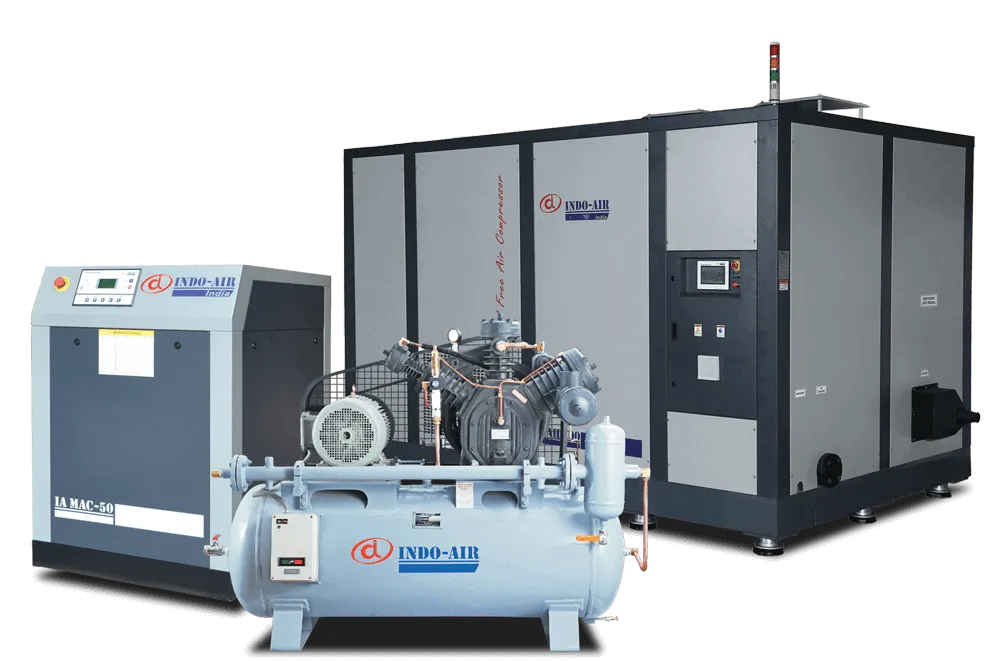
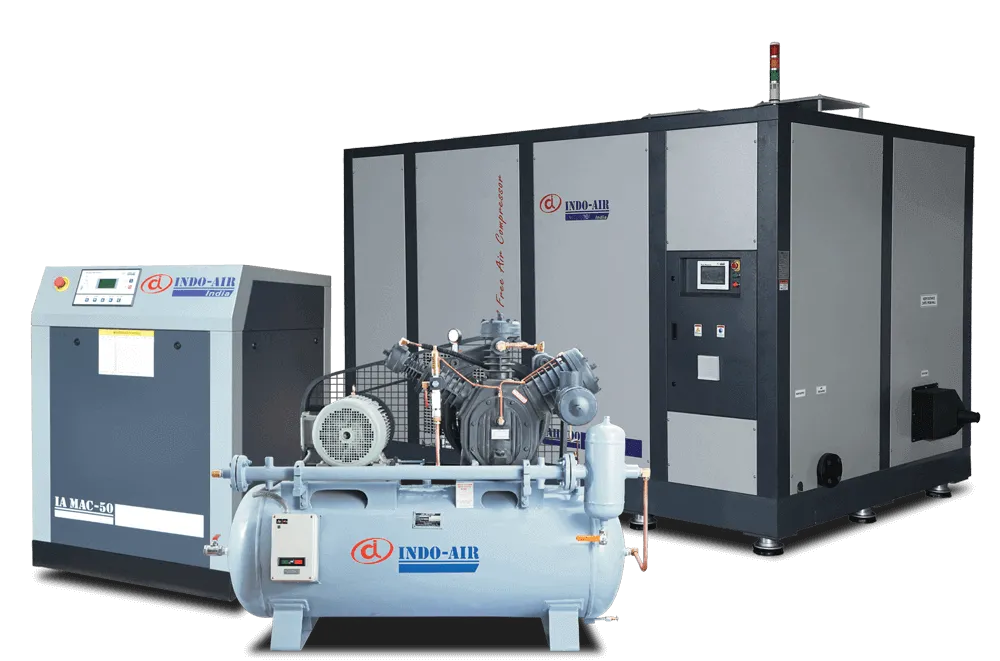
An air compressor is an essential tool in many workshops, garages, and industrial settings. Whether you're powering pneumatic tools, inflating tires, or running machinery, your air compressor is a vital piece of equipment. However, like any mechanical system, air compressors require regular maintenance to operate efficiently and to ensure longevity. Neglecting maintenance can lead to decreased performance, higher energy bills, and costly repairs or even total failure.
In this article, we’ll dive into the essential maintenance tips that will help you get the most out of your air compressor for years to come.
-
Read the User Manual
Before performing any maintenance, always consult your air compressor’s user manual. Every model is different, and the manufacturer’s guidelines will provide specific information regarding operating procedures, recommended maintenance schedules, and safety precautions. Keeping the manual handy will ensure you're doing everything by the book and not missing crucial model-specific tasks. -
Check and Tighten Fasteners Regularly
As your air compressor runs, it vibrates—especially if used frequently or in demanding environments. These vibrations can cause nuts, bolts, and other fasteners to loosen over time. If left unchecked, loose parts can lead to mechanical failures or inefficient operation.
Tip: Inspect and tighten all accessible bolts and screws at least once a month or as recommended by the manufacturer.
- Inspect and Clean the Intake Vents
The air intake is where your compressor breathes. If the intake vents are clogged with dust or debris, your compressor must work harder, reducing efficiency and increasing wear and tear.
Maintenance Steps:
Inspect the air intake filter weekly.
Clean or replace the filter as needed (usually every 3-6 months).
Ensure the area around the compressor is clean and well-ventilated.
Clean intakes lead to better airflow and improved performance.
- Drain the Moisture from the Tanks
Compressed air systems naturally generate moisture, especially in humid environments. This moisture collects in the tank and, if not drained, can lead to rust and corrosion inside the tank.
Drain Instructions:
Locate the drain valve, typically at the bottom of the tank.
Open the valve and allow all water to drain out after each use or at least once daily if in constant use.
Consider installing an automatic drain valve for convenience in commercial setups.
Rust damage can destroy your tank from the inside, so this step is crucial for long-term reliability.
- Change the Compressor Oil (If Applicable)
If your air compressor uses oil lubrication (not oil-free models), changing the oil regularly is essential to keep the motor and pump running smoothly. Dirty or low oil can lead to overheating and reduced component lifespan.
General Guidelines:
Check the oil level before every use.
Change the oil after the first 20 hours of use, then every 200-500 hours depending on your usage and the manufacturer's advice.
Always use the recommended type of compressor oil.
Keep in mind, oil-free compressors don't require this step, but they still need other forms of maintenance.
- Inspect Hoses and Connections
Air hoses are the lifelines of your compressor system. Over time, they can develop cracks, bulges, or leaks, especially under heavy usage.
Maintenance Tips:
Visually inspect hoses weekly for signs of damage.
Listen for hissing sounds when the system is running—this may indicate a leak.
Replace any damaged or worn-out hoses immediately.
Check all fittings and connections for tightness and integrity.
Well-maintained hoses ensure safe, efficient air delivery and help prevent pressure drops.
- Monitor and Replace the Air Filter
Your air filter keeps dust and debris out of the compressor. A clogged or dirty filter can decrease efficiency and overwork the motor.
Filter Maintenance:
Check the filter monthly (more often in dusty environments).
Clean or replace it as needed, typically every 3-6 months.
Upgrade to a high-efficiency filter if working in harsh conditions.
Clean filters protect your internal components and help maintain optimal airflow.
- Check the Safety Valve
The safety valve is a crucial component that releases excess pressure to prevent tank explosions. It must be in good working condition.
How to Test It:
Pull the ring on the valve while the tank is under pressure.
Air should escape rapidly, then stop once the ring is released.
If the valve doesn't operate as expected, it may need cleaning or replacement.
Never disable or ignore safety valve issues—they’re vital for safe operation.
- Clean the Compressor Exterior
Dust and debris buildup on the exterior can affect cooling and airflow, especially around vents and motors.
Cleaning Tips:
Wipe down the compressor regularly using a damp cloth.
Use compressed air to blow out vents and cooling fins.
Make sure the unit is unplugged or off before cleaning.
A clean compressor runs cooler and more efficiently.
- Schedule Professional Servicing
While many maintenance tasks can be done yourself, having a professional technician service your air compressor annually is highly recommended. They can inspect internal components, test system performance, and catch issues that may not be visible.
Benefits of Professional Service:
Comprehensive internal inspection
Accurate performance testing
Preventive part replacements
Extended equipment warranty in some cases
Professional care ensures your compressor stays in top condition for the long haul.!