What Is Oud? A Guide to the World's Most Treasured Fragrance Ingredient
Few questions in the world of fragrance open up as rich a story as this one. Oud is simultaneously a botanical phenomenon, a cultural institution, a luxury commodity, and one of the most complex scent profiles in perfumery. If you've encountered the word and wondered what it actually means, you're not alone. Interest in oud has grown enormously in recent years, but understanding it properly takes a little more than a quick definition.
This guide answers the question what is oud from every angle that matters: where it comes from, how it's formed, what it smells like, why it's so expensive, and what its significance is across the cultures that have prized it for centuries.
The Botanical Origins of Oud
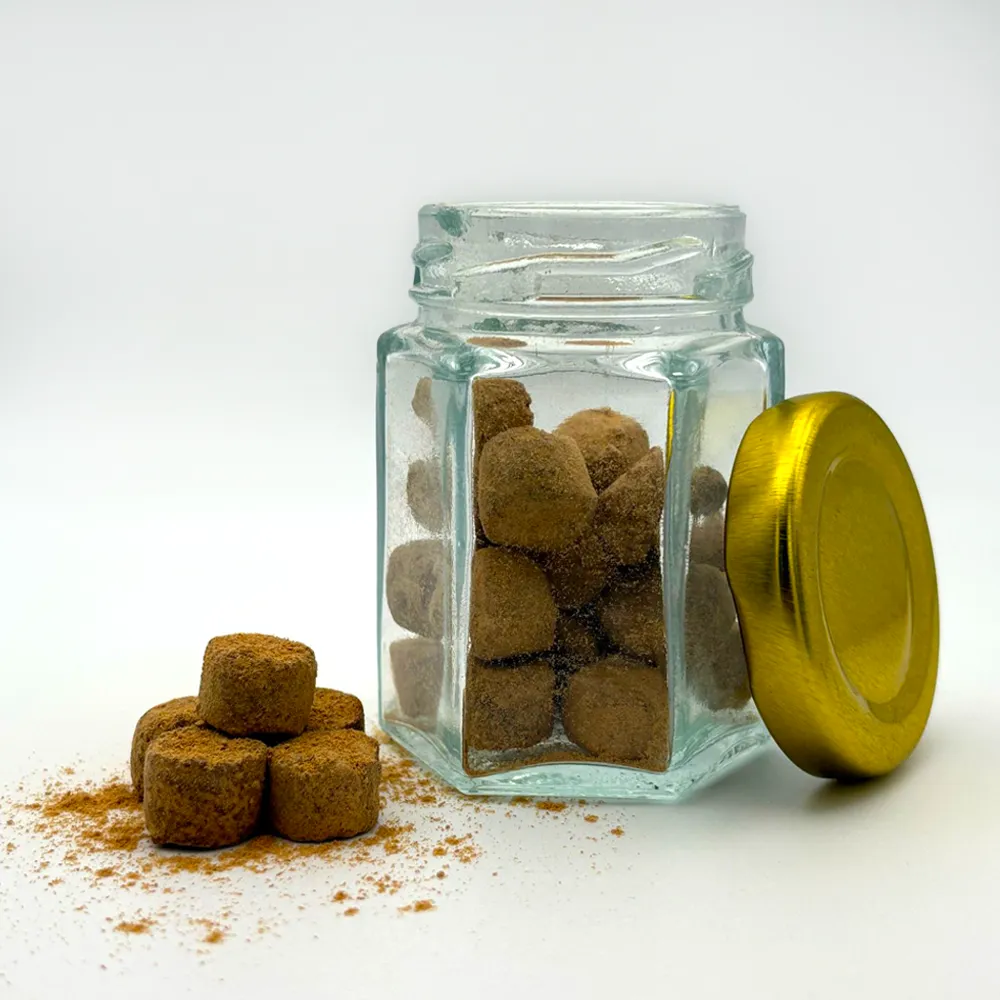
Oud comes from agarwood, which is the resin-impregnated heartwood of trees belonging to the Aquilaria genus. These trees are native to the tropical and subtropical rainforests of Southeast Asia and parts of South Asia, with significant populations historically found in countries including India, Bangladesh, Vietnam, Cambodia, Thailand, Indonesia, and Malaysia.
In their natural, healthy state, Aquilaria trees are relatively unremarkable. Their wood is light-coloured and carries little to no scent. What transforms them into the source of one of the world's most valuable natural substances is a specific biological response to infection.
When an Aquilaria tree is attacked by a mould of the Phialophora genus, or by certain other pathogens, it responds by producing a dark, aromatic resin as a defence mechanism. This resin permeates the heartwood, gradually accumulating over years or decades and transforming the wood into a dense, dark, intensely fragrant material. Not every infected tree produces high-grade agarwood. The quality of the resin depends on the species of tree, the type of infection, the local environment, and the length of time over which the resin has developed.
The rarity of this process is part of what drives oud's extraordinary value. According to CITES, the international body that regulates trade in endangered species, several Aquilaria species are now classified as threatened due to decades of overharvesting. Sustainable and responsible sourcing has become both an ethical requirement and a marker of quality for serious oud producers.
How Oud Oil Is Made
The transformation from agarwood to the oud oil used in perfumery involves a careful extraction process. The most traditional and widely respected method is hydro-distillation, in which agarwood chips are soaked in water and then steam-distilled. The resulting oil, known as oud oil or dehn al oud in Arabic, is the concentrated aromatic essence of the wood's resin.
The distillation process is slow. High-grade oud oil requires long distillation times, often several days, to fully extract the complex aromatic compounds from the wood. The yield is extremely low. A kilogram of premium oud oil may require hundreds of kilograms of wood to produce, which partly explains why high-quality oud oil is among the most expensive natural substances on earth, often retailing for more per gram than gold.
Other extraction methods include CO2 extraction, which can produce a cleaner and more consistent oil, and solvent extraction, which yields an absolute rather than an essential oil. Each method produces a slightly different aromatic profile, and experienced oud connoisseurs often have strong preferences.
The Different Types of Oud
Not all oud is the same. The aromatic profile of oud varies considerably depending on several factors, and understanding these differences helps explain why oud commands such a range of prices and why enthusiasts speak about regional profiles with such specificity.
Geographic origin is perhaps the most significant variable. Indian oud, often called Hindi oud, is known for its deep, smoky, animalic quality. It tends to be the most intense and the most polarising for newcomers. Vietnamese oud, particularly from the Khanh Hoa region, is typically cleaner, sweeter, and more approachable. Cambodian oud sits between the two, with a balanced, slightly medicinal quality. Malay and Indonesian ouds each have their own distinct profiles, often earthier or more barnyard-like in character.
The age of the wood also matters. Older agarwood has had more time to develop complex resin and typically produces a richer, more nuanced oil. Wild agarwood, harvested from trees that were infected naturally in the forest, is generally considered superior to farmed agarwood, though sustainable farming operations are improving in quality as the industry matures.
The specific Aquilaria species involved also influences the scent. Aquilaria malaccensis, Aquilaria crassna, and Aquilaria sinensis each produce wood with subtly different aromatic characteristics, and expert distillers work with specific species to achieve particular scent profiles.
What Does Oud Smell Like?
This is the question most people arrive at quickly, and it deserves an honest answer: oud is genuinely difficult to describe to someone who hasn't experienced it, because it doesn't resemble anything commonly found in Western fragrance traditions.
The closest reference points are wood, resin, and smoke, but oud is considerably more complex than any of those individually. It has a warmth that is almost animalic, a quality that perfumers describe as skin-like or alive. It has depth and what fragrance professionals call tenacity, the ability to persist on skin for many hours. It evolves over time, revealing different aspects as the lighter compounds evaporate and the deeper notes emerge.
Specific notes commonly detected in oud include dried fruit, dark leather, incense, earth, tobacco, cocoa, and a characteristic medicinal or camphoraceous quality that varies significantly by origin. The sweetness of Vietnamese oud is quite different from the barnyard smokiness of Hindi oud, yet both are unmistakably oud to anyone familiar with the ingredient.
Perhaps most importantly, oud smells different on different people. It interacts with skin chemistry in ways that make it genuinely personal. What smells predominantly smoky on one person may emphasise the sweeter, more resinous notes on another. This variability is part of what makes it so compelling to fragrance enthusiasts.
Oud in Culture and History
The history of oud use stretches back at least a thousand years and spans cultures across Asia and the Middle East. Its presence in religious texts, trade records, and historical accounts of royal courts across multiple civilisations gives it a cultural depth that no synthetic fragrance can claim.
In the Middle East, oud is deeply embedded in daily life and social ritual. Burning agarwood chips, known as bakhoor, is a traditional gesture of hospitality and celebration. Oud oil is worn to religious gatherings, weddings, and important social occasions. It is passed down through families alongside its history. The scent is not merely aesthetic; it carries meaning.
In South Asia, agarwood has been used in Ayurvedic medicine and religious ceremonies for centuries. In Japan, kodo, the art of listening to incense, treats agarwood as a subject of refined aesthetic contemplation. In Chinese history, agarwood was traded along the Silk Road and used in both medicine and imperial court ceremonies.
The widespread cultural significance of oud is part of why its recent global popularisation has been viewed with both excitement and some ambivalence by communities for whom it has always been far more than a fashion.
Why Is Oud So Expensive?
Several factors combine to make genuine oud among the most expensive fragrance ingredients in the world:
Rarity of infected trees: only a small percentage of Aquilaria trees develop the infection that produces agarwood
Time required: high-quality resin development takes years or decades
Low yield: a kilogram of oil requires hundreds of kilograms of wood
Conservation concerns: wild agarwood harvesting is restricted in many regions due to the threatened status of several Aquilaria species
Labour intensive process: traditional distillation is slow and skill-dependent
Global demand: the growth of international interest in oud has increased pressure on already limited supply
These factors explain why a high-quality oud oil can retail for thousands of pounds per kilogram, and why the oud market has also seen an explosion of synthetic alternatives and low-grade products positioned as genuine oud at accessible price points. Understanding how to distinguish authentic from synthetic oud requires either a trained nose or a relationship with a producer whose sourcing is transparent.
Synthetic Oud vs. Natural Oud
The global demand for oud has significantly outpaced the supply of genuine agarwood oil, which has driven the development of synthetic oud molecules by major fragrance ingredient manufacturers. These molecules, with names like Javanol, Iso E Super, and various proprietary compounds, can approximate aspects of oud's scent profile at a fraction of the cost.
Synthetic oud is not inherently inferior in every context. For mass-market fragrances, it allows a broadly oud-adjacent character to be delivered at accessible prices. But it is not the same as genuine oud. It lacks the complexity, the evolution over time, the skin-specific variation, and the cultural authenticity of the real ingredient.
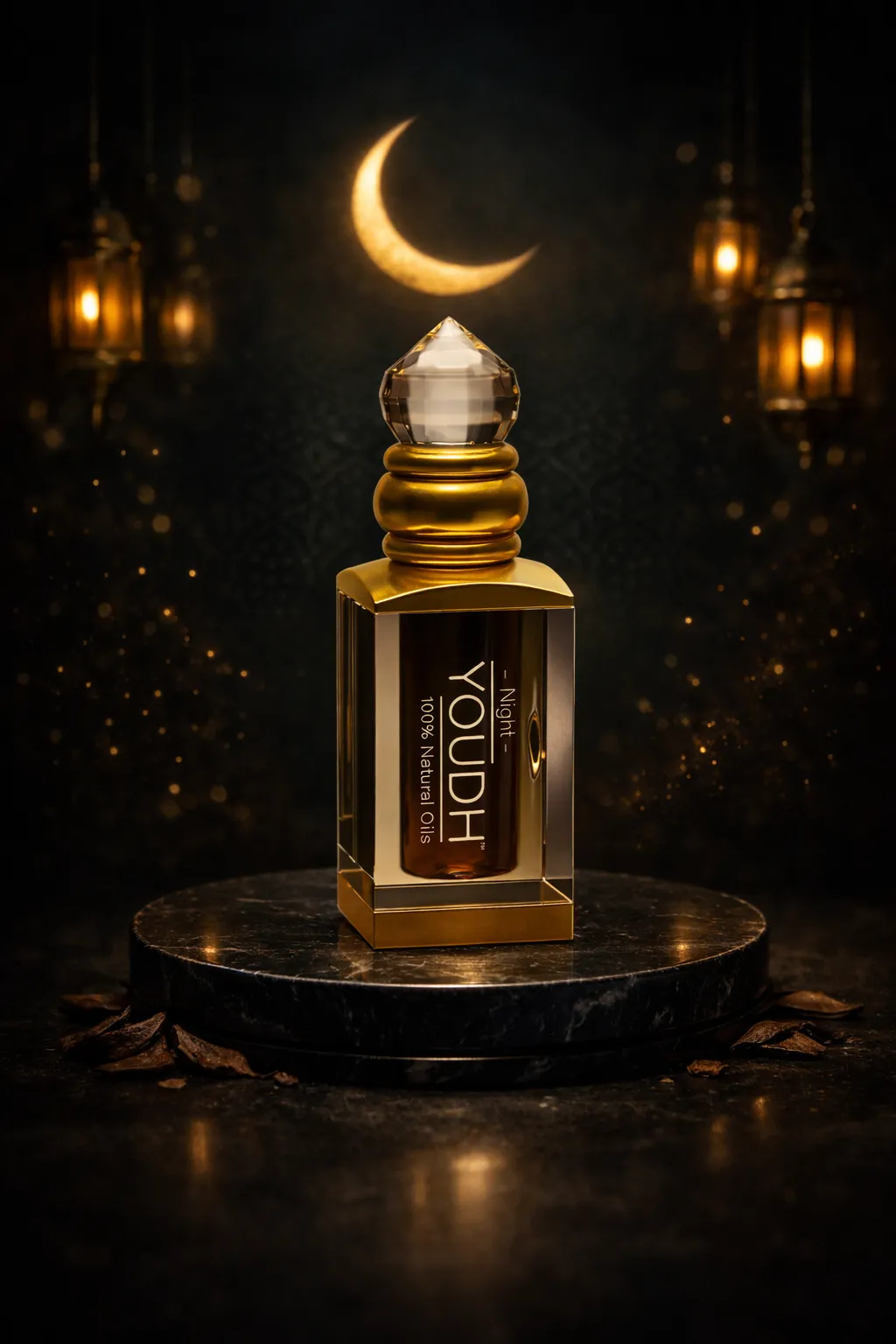
For consumers who want an authentic oud experience, the distinction matters. YOUDH natural fragrances are built around genuine, ethically sourced oud oils rather than synthetic approximations, offering the real character of the ingredient in an accessible, oil-based format designed for everyday wear.
How to Start Exploring Oud
If you're new to oud, the most valuable thing you can do is simply smell it. No description fully prepares you for the experience, and your own response to it is the only guide that matters.
Start with a profile that's described as accessible or balanced rather than the most intense expressions. Vietnamese or Cambodian oud, or blends that incorporate oud alongside complementary notes like rose, sandalwood, or amber, tend to be more approachable entry points than straight Hindi oud.
Try it on your skin rather than on paper. Oud's most interesting behaviour happens in contact with body heat, and a skin test will tell you far more about how a particular oil will work for you than any blotter.
Give it time. The opening impression of oud is often its least representative. Allow it to settle and develop for at least 30 minutes before making a judgment.
Final Thoughts
Oud is one of the few fragrance ingredients that genuinely rewards curiosity. The more you understand about where it comes from, how it's made, and what it has meant to the cultures that have cherished it, the more layered your experience of it becomes.
Whether you're drawn to it by cultural connection, by curiosity, or simply by the experience of smelling something genuinely extraordinary, oud is an ingredient with the depth to hold your interest for a long time.