Key Features to Look for in Factory Automation Software
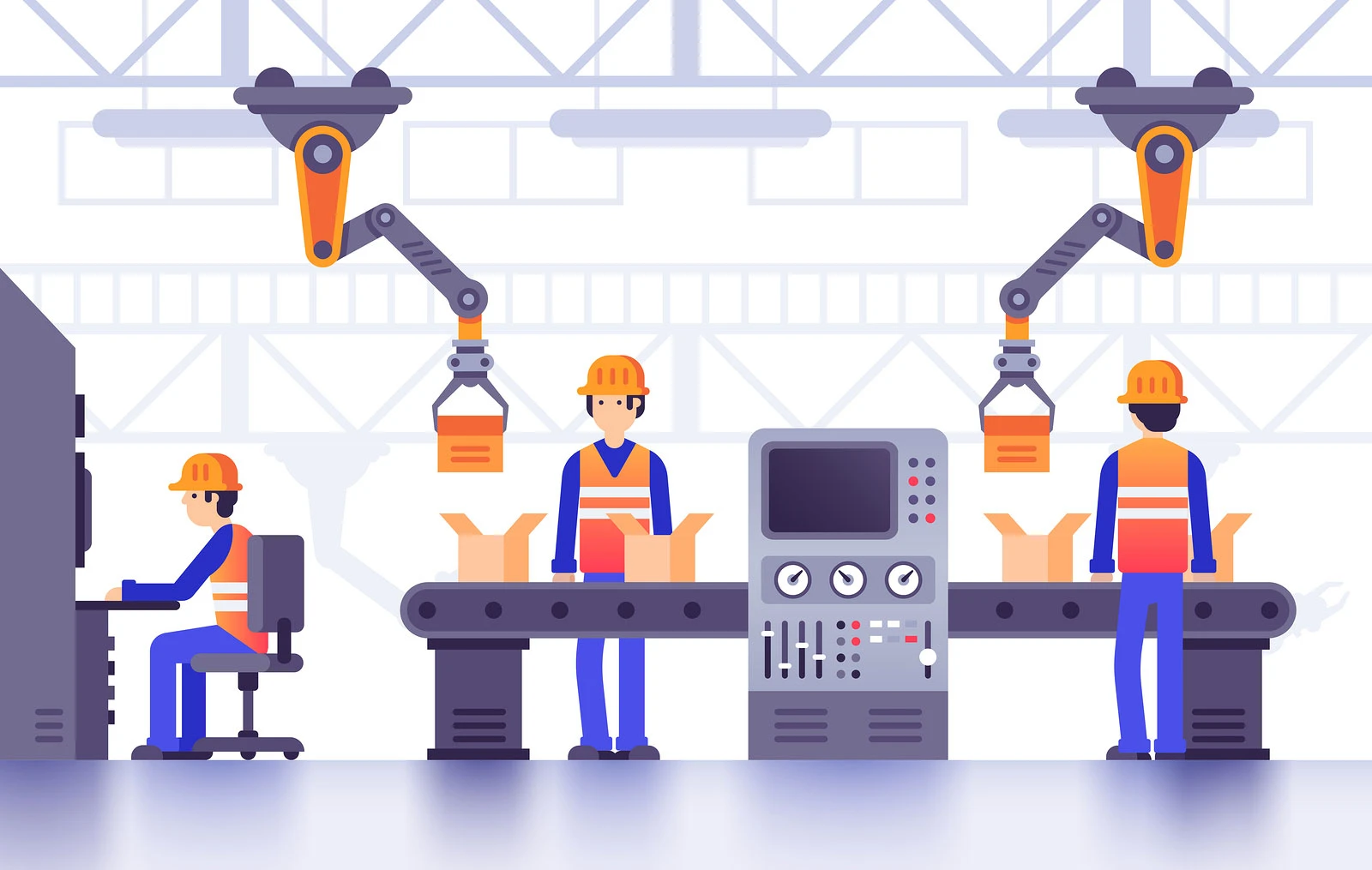
In the high-stakes world of industrial manufacturing, efficiency is the currency of success. As production facilities race toward Industry 4.0 maturity, the backbone of this transformation is robust Factory Automation Software. However, not all platforms are created equal. Implementing a system that lacks critical capabilities can lead to data silos, security vulnerabilities, and stunted growth.
To navigate this complex market, decision-makers must prioritize specific functionalities that drive tangible operational value. This guide details the essential features you must demand when evaluating new automation solutions for your plant.
1. Universal Interoperability and Integration
The modern factory floor is often a patchwork of legacy machinery and cutting-edge robotics. The most critical feature of any high-quality Factory Automation Software is its ability to act as a universal translator.
Protocol Agnosticism: The software should natively support a wide array of industrial protocols such as OPC UA, MQTT, Modbus TCP, and Ethernet/IP without requiring expensive custom middleware.
IT/OT Convergence: Look for seamless integration capabilities with enterprise-level systems. The flow of data from the shop floor (OT) to your ERP, MES, and SCM systems (IT) must be bidirectional and real-time. This ensures that sales teams know exactly what is being produced and supply chain managers know when to order raw materials.
2. Real-Time Data Visualization and Analytics
Collecting data is easy; deriving actionable insights is the challenge. Superior automation platforms do not just store data; they visualize it in a way that allows for immediate decision-making.
Customizable HMIs: Operators should have access to Human-Machine Interfaces (HMIs) that are tailored to their specific roles, stripping away noise and focusing on relevant metrics.
Live OEE Monitoring: The system must calculate Overall Equipment Effectiveness (OEE) in real-time, instantly highlighting availability, performance, and quality losses.
Edge Analytics: For high-speed lines, sending data to the cloud for processing introduces too much latency. Top-tier software processes critical logic at the "edge" (on the machine level) for sub-millisecond response times.
3. Scalability and Modular Architecture
A common pitfall in digital transformation is purchasing a monolithic system that is too rigid to change. Your Factory Automation Software should be built on a modular architecture.
Start Small, Scale Fast: You should be able to deploy the software on a single pilot line and, once proven, roll it out across the entire facility or multiple global sites with minimal friction.
Cloud-Hybrid Readiness: Whether you prefer on-premise servers for security or the cloud for accessibility, the software should support hybrid deployment models that grow with your infrastructure needs.
4. Advanced Cybersecurity Standards
As factories become more connected, they become bigger targets for cyber threats. Security cannot be an afterthought; it must be a core feature of the software architecture.
Role-Based Access Control (RBAC): The software must ensure that operators, engineers, and external vendors only have access to the specific data and controls necessary for their jobs.
End-to-End Encryption: Data moving between sensors, the software, and the cloud should be encrypted.
Audit Trails: To comply with regulatory standards (like FDA 21 CFR Part 11 in pharma), the system must automatically log every user action, creating an immutable record of changes.
5. Predictive Maintenance Capabilities
Transitioning from preventative maintenance (scheduled) to predictive maintenance (condition-based) is a major cost saver.
Machine Learning Integration: The ideal Factory Automation Software uses algorithms to analyze historical trends and real-time sensor data (vibration, heat, power usage).
Early Warning Systems: Instead of failing unexpectedly, the system should trigger alerts days or weeks in advance when a component shows signs of wear, allowing maintenance to be scheduled during planned downtime.
Conclusion
Selecting the right Factory Automation Software is a strategic investment that dictates the future agility of your manufacturing operations. By focusing on interoperability, real-time analytics, and robust security, you ensure that your facility is not just automated, but intelligent. The right software transforms raw data into the wisdom needed to reduce waste, improve quality, and increase profitability.
https://itsybizz.com/blog/key-features-to-look-for-in-factory-automation-software