How Cybersecurity Certification Can Help Advance Your Security Career
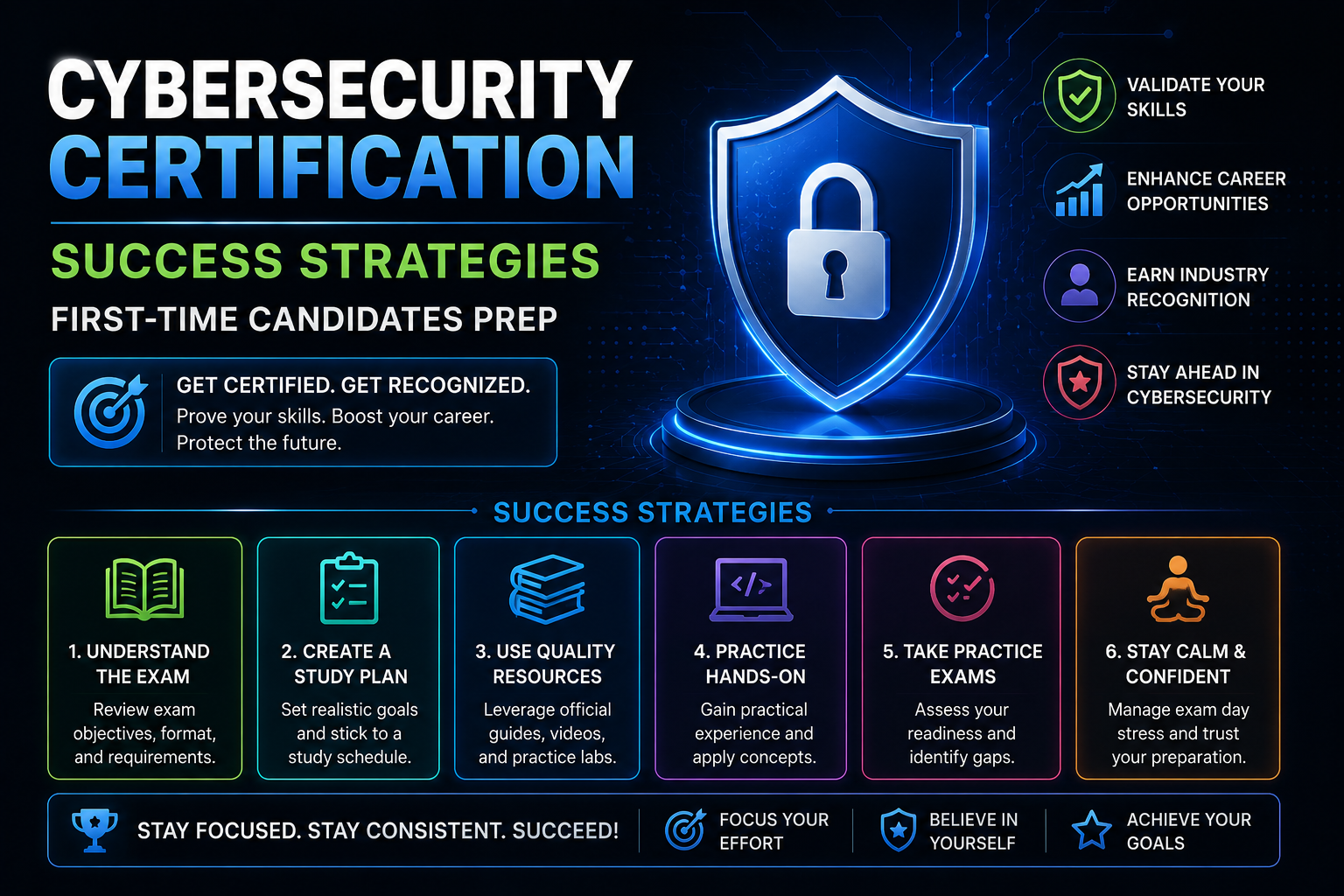
Cybersecurity has become one of the most dynamic and rapidly growing fields in technology. Organizations across every industry face increasing threats from cybercriminals, ransomware attacks, insider threats, cloud security risks, and data breaches. As a result, employers are actively searching for professionals who possess the skills and knowledge needed to protect critical systems and information.
For individuals already working in IT or those planning to enter the cybersecurity field, certifications can play an important role in career development. While practical experience remains valuable, certifications provide a structured way to validate skills, demonstrate commitment to professional growth, and build credibility within the industry.
Whether you are starting your cybersecurity journey or looking to advance into higher-level security roles, understanding the benefits of cybersecurity certifications can help you make informed career decisions.
The Growing Demand for Cybersecurity Professionals
The cybersecurity skills gap continues to be a major challenge for organizations worldwide. As businesses expand their digital operations and adopt cloud technologies, security responsibilities become increasingly complex.
Companies need professionals who can identify threats, manage risks, implement security controls, monitor networks, and respond to incidents. Because cybersecurity affects every aspect of modern business operations, demand exists across industries including healthcare, finance, government, retail, manufacturing, and technology. This growing demand creates opportunities for individuals who can demonstrate cybersecurity knowledge and practical skills. Certifications help candidates stand out in competitive job markets by providing evidence of technical competency.
Why Employers Value Cybersecurity Certifications
Employers often use certifications as a way to evaluate candidate knowledge during hiring and promotion decisions. A certification demonstrates that a professional has studied specific domains, understands industry concepts, and has met established standards set by recognized certification providers. For hiring managers, certifications can provide additional confidence when comparing candidates with similar backgrounds. They also help organizations identify individuals who are committed to continuous learning and professional development. Although certifications alone do not guarantee expertise, they often complement experience and education effectively.
🔶 The topic is also discussed thoroughly in an earlier YouTube video from Cert Empire:
Certifications Help Build Foundational Knowledge
One of the biggest advantages of cybersecurity certifications is their structured learning approach. Many professionals enter cybersecurity from networking, system administration, cloud computing, software development, or technical support backgrounds. Certifications provide a roadmap that introduces important security concepts and helps fill knowledge gaps.
Candidates typically learn topics such as:
Threat management
Risk assessment
Identity and access management
Security operations
Incident response
Compliance requirements
Network security
Cloud security
This broad understanding helps professionals develop a stronger foundation for future specialization.
Increasing Career Opportunities
Cybersecurity certifications can expand the range of roles available to professionals. Employers frequently list certifications as preferred or recommended qualifications for security-related positions. While experience remains important, certifications can help candidates qualify for interviews and demonstrate readiness for new responsibilities.
Common roles supported by cybersecurity certifications include:
| Career Role | Primary Focus |
|---|---|
| Security Analyst | Monitoring and responding to threats |
| SOC Analyst | Security operations and incident handling |
| Security Administrator | Managing security systems |
| Cloud Security Specialist | Protecting cloud environments |
| Governance Analyst | Compliance and risk management |
| Security Engineer | Designing and implementing security solutions |
| Identity Administrator | Managing access and authentication |
Certifications can serve as stepping stones toward these and many other security-focused positions.
Supporting Career Advancement
Cybersecurity certifications are not only useful for obtaining a first security role. They can also support advancement into more specialized and senior-level positions.
As professionals gain experience, certifications often help demonstrate readiness for greater responsibility. Employers may view certifications as evidence that a candidate possesses updated knowledge and remains engaged with industry developments.
Professionals pursuing leadership, architecture, consulting, or engineering roles frequently combine experience with advanced certifications to strengthen their professional profiles. This combination can improve promotion opportunities and career mobility.
Building Confidence and Professional Credibility
Many cybersecurity professionals report that certifications improve their confidence when discussing technical topics and participating in security initiatives. Preparing for certification exams requires candidates to study industry frameworks, technologies, best practices, and security methodologies. This process often deepens understanding and improves problem-solving abilities.
Certifications can also enhance professional credibility among colleagues, managers, clients, and employers.
When professionals can demonstrate validated expertise, they may gain greater trust and responsibility within their organizations.
Helping You Specialize in Security Domains
Cybersecurity is a broad field with many specialized career paths. Some professionals focus on cloud security, while others specialize in governance, penetration testing, security operations, compliance, digital forensics, or identity management. Certifications can help professionals explore these areas and gradually build expertise in specific domains.
For example, a professional interested in cloud security may pursue cloud-focused certifications, while someone interested in governance may focus on risk and compliance credentials. Specialization often leads to additional career opportunities and long-term professional growth.
Improving Long-Term Earning Potential
While certifications should not be pursued solely for salary reasons, they can contribute to increased earning potential over time.
Professionals who combine certifications with practical experience often become eligible for higher-level positions and specialized roles. These positions frequently offer greater compensation because they involve advanced technical expertise and increased responsibility. The value comes not only from the credential itself but also from the skills and knowledge gained during preparation. Continuous professional development often supports long-term career progression and earning growth.
Certifications and Continuous Learning
Cybersecurity changes constantly as new technologies, attack methods, regulations, and security frameworks emerge. One benefit of certifications is that they encourage continuous learning. Many certification programs require professionals to maintain their credentials through ongoing education and professional development activities. This helps certified professionals remain aware of industry trends and evolving security practices.
In a field where knowledge can quickly become outdated, maintaining current skills is essential for long-term success. Many professionals preparing for cybersecurity certifications use learning resources from www.certempire.com to strengthen their understanding of exam objectives and security concepts while supporting ongoing professional development.
Common Misconceptions About Certifications
Some professionals believe certifications alone are enough to secure a cybersecurity position.
In reality, certifications work best when combined with practical experience, hands-on learning, problem-solving skills, and professional networking. Employers generally prefer candidates who can demonstrate both knowledge and practical capability. Another misconception is that only advanced certifications provide value. Foundational certifications often play an equally important role by helping candidates establish core knowledge and enter the cybersecurity field. The key is selecting certifications that align with current skills and future goals.
Creating a Certification Roadmap
Professionals often benefit from viewing certifications as part of a long-term development strategy. A typical progression might begin with foundational security certifications before moving into intermediate and specialized credentials.
As experience grows, professionals can pursue certifications that align with specific interests such as cloud security, security operations, governance, risk management, or security engineering. This gradual approach helps build knowledge systematically while supporting career advancement.
Final Insights
Cybersecurity certifications can be powerful tools for career growth. They help professionals build foundational knowledge, demonstrate expertise, increase credibility, support specialization, and create opportunities for advancement within the security industry.
While certifications should not replace practical experience, they can complement hands-on learning and professional development efforts. By selecting the right certifications and maintaining a commitment to continuous learning, professionals can strengthen their security careers and position themselves for long-term success in an increasingly important field.
For a brief visual overview, check out Cert Empire’s recent update on X (Twitter): https://x.com/CertEmpire/status/2068918330803560619
FAQs
Do cybersecurity certifications help you get a job?
Certifications can improve job opportunities by validating knowledge and demonstrating commitment to professional development, especially when combined with practical experience and technical skills.
Which cybersecurity certification should beginners start with?
Many beginners start with foundational certifications such as Security+ or ISC2 Certified in Cybersecurity because they introduce essential security concepts and industry terminology.
Can certifications help with career advancement?
Yes, certifications can support promotions, specialization, leadership opportunities, and transitions into more advanced cybersecurity roles when combined with experience and demonstrated skills.
Are cybersecurity certifications worth pursuing in 2026?
Yes, cybersecurity certifications remain valuable because organizations continue facing evolving threats and need professionals with validated security knowledge and expertise.
Do certifications increase earning potential?
Certifications can contribute to higher earning potential by helping professionals qualify for advanced roles, specialized positions, and greater responsibilities throughout their careers.
Explore more: Cybersecurity Certification Success Strategies for First-Time Candidates